


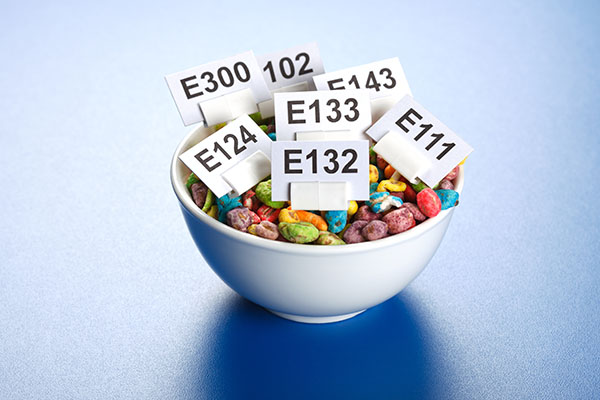
Synthetic food dyes — ubiquitous in brightly colored candies, cereals, and snacks — are facing heightened scrutiny as research links them to cancer and behavioral disorders in children. Nearly 1 in 5 packaged foods in the U.S. contains these additives, with products marketed to kids using them three times more frequently than others, according to public health advocates.
- Widespread Use in Kids' Products: Nearly 1 in 5 packaged foods in the U.S. contain synthetic dyes, with products marketed to children (like candy, cereals, and sports drinks) using them at three times the rate of other foods.
- Cancer and Behavioral Risks: Three major dyes — Red 40, Yellow 5, and Yellow 6 — are linked to cancer (per the CSPI) and studies tie them to hyperactivity and ADHD in children, prompting bans in California and the EU.
- Synergy with Sugar: Foods with artificial dyes contain 141% more sugar on average, suggesting manufacturers use bright colors to make sugary, less nutritious products more appealing to kids.
- Regulatory Shifts: While California has banned Red 3 and six other dyes in school foods, the FDA plans a nationwide ban by 2027, and some companies (like Nestlé) already avoid synthetic dyes entirely—proving safer alternatives exist.
Food dyes under fire: cancer, hyperactivity and regulatory pushback
Amid growing pressure, California and the European Union have already banned certain dyes, while the U.S. Food and Drug Administration (FDA) plans nationwide restrictions by 2027. But with companies like Nestlé proving natural alternatives are viable, critics question why change isn’t happening faster.
Three synthetic dyes — Red 40, Yellow 5, and Yellow 6 — are at the center of the debate. The nonprofit Center for Science in the Public Interest (CSPI) warns they may be carcinogenic, while multiple studies tie them to hyperactivity and ADHD in children. A landmark 2004 study by Bateman et al., published in Archives of Disease in Childhood, found that artificial dyes and preservatives increased hyperactive behaviors in preschoolers during double-blind trials.
"The science is clear: these dyes have no nutritional benefit and carry real risks," says a CSPI spokesperson. "Parents shouldn’t have to play detective to avoid them."
Synthetic dyes often accompany another health concern: excess sugar. Research shows that artificially colored foods contain 141% more sugar on average than their dye-free counterparts. Public health experts argue that manufacturers use vibrant hues to make nutritionally poor products — like fruit-flavored snacks or neon-colored drinks — more enticing to children.
"For kids, visual appeal is a powerful trigger," says a pediatric nutritionist. "These dyes create a sensory illusion that masks low-quality ingredients."
Some regions aren’t waiting for federal action. California banned Red 3 and six other dyes in school foods in 2023, citing health risks. The European Union has long required warning labels on dyed products, leading many multinational brands to reformulate. Meanwhile, companies like Nestlé and Kraft Heinz have phased out synthetic dyes entirely, replacing them with beet juice, turmeric, and other natural options.
The FDA’s planned 2027 ban signals progress, but advocates argue the timeline lags behind consumer demand. "If corporations can shift now, why can’t regulators?" asks a food policy expert.
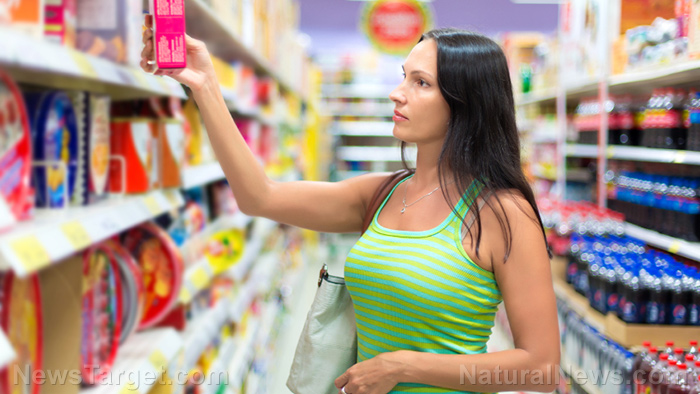
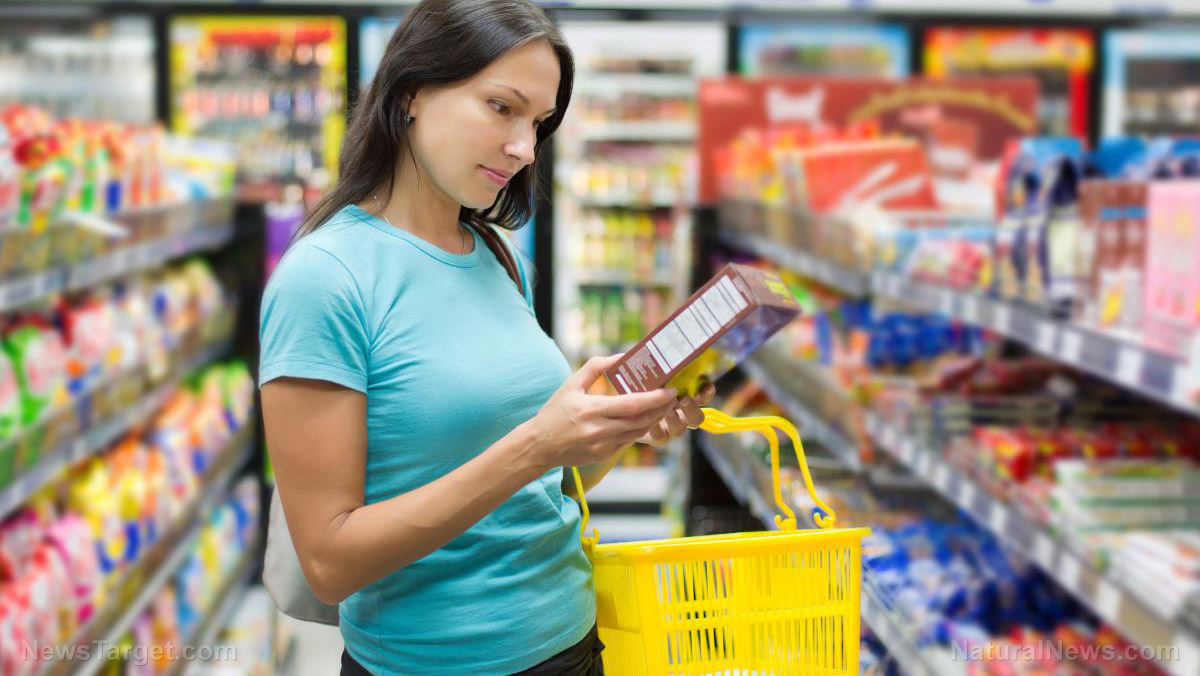
As evidence mounts against synthetic dyes, their days in the food supply appear numbered. But for families navigating grocery aisles today, the challenge remains: avoiding these additives requires vigilant label-reading. With safer, natural alternatives already in use, the question isn’t whether synthetic dyes should go—but why the transition isn’t happening faster.
Tune your food news frequency to FoodSupply.news and get updates on more toxic foods that corporate America loads the grocery store shelves with to drive up chronic diseases and disorders so Big Pharma can take your money.
Sources for this article include:




Please contact us for more information.