


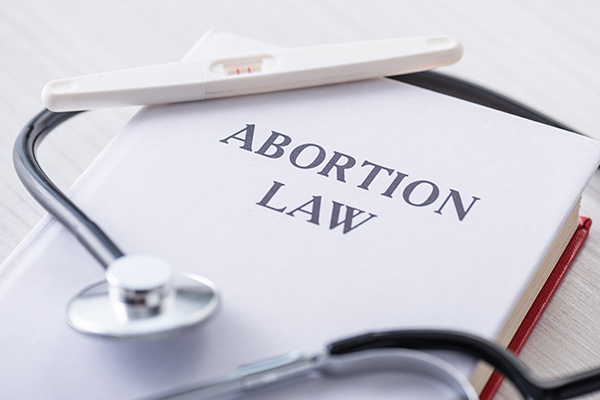
- Wisconsin’s Supreme Court strikes down the state’s 1849 abortion ban in a 4-3 ruling, citing modern laws as replacements.
- Liberal justices dominated the decision, with conservatives decrying “judicial activism” overriding legislative intent.
- The 1849 ban had been revived post-Dobbs, making Wisconsin a battleground for abortion rights.
- Pro-life groups vow to fight back, calling the ruling a betrayal of democratic process and fetal protection.
- The decision entrenches abortion access ahead of Wisconsin’s 2026 Supreme Court race, ensuring ongoing legal battles.
The Wisconsin’s Supreme Court has delivered a seismic blow to pro-life advocates by overturning the state’s 1849 abortion ban—a law temporarily reactivated after the U.S. Supreme Court’s Dobbs v. Jackson decision ended Roe v. Wade in 2022. The 4-3 ruling, penned by Justice Rebecca Dallet and backed by the court’s liberal majority, declared that modern abortion regulations enacted over the past 50 years had effectively replaced the near-total prohibition from the 19th century.
The decision—celebrated by Democratic officials and abortion-rights groups—immediately drew scathing dissent from conservative justices, who accused their colleagues of legislating from the bench. Wisconsin Attorney General Josh Kaul, who spearheaded the legal challenge, called the outcome “a major victory for reproductive freedom,” while pro-life organizations labeled it a dangerous overreach.
Legal context: How a 176-year-old law resurfaced
The 1849 statute, which criminalized abortion except to save the mother’s life, lay dormant for decades under Roe. When the federal guarantee fell in 2022, Republican lawmakers and pro-life advocates argued the antiquated ban should govern again.
Yet Dane County Judge Diane Schlipper ruled in 2023 that the law only applied to non-consensual “feticide,” not physician-performed abortions. That interpretation allowed clinics like Planned Parenthood to resume services—but left lingering uncertainty until this week’s Supreme Court cementing of that stance.
Justice Dallet’s majority opinion emphasized that post-Roe laws—including a 1985 statute permitting abortions up to fetal viability—created a “comprehensive” legal framework displacing the 1849 ban.
Conservative backlash: “An affront to democracy”
The ruling’s dissenters spared no criticism. Justice Annette Ziegler blasted the majority for “inventing legal theories” to satisfy political agendas.
“Four members of the court make up and apply their own version of implied repeal, failing to hew to any semblance of traditional judicial decision-making,” Ziegler wrote. Justice Rebecca Bradley went further, accusing liberals of behaving as “super legislators” in service of “personal preference.”
Pro-life leaders echoed the outrage. Heather Weininger of Wisconsin Right to Life called the decision “deeply disappointing,” adding, “To assert that a repeal is implied is to legislate from the bench.”
Political fallout: Elections and the future of abortion
The ruling ensures abortion remains a central issue in Wisconsin’s 2026 Supreme Court race, where conservative Justice Rebecca Bradley will defend her seat against Democrat Chris Taylor, a former Planned Parenthood executive. Taylor’s campaign swiftly fundraised off the decision, framing it as a triumph for “basic freedoms.”
Governor Tony Evers (D) vowed to defend abortion access but acknowledged the fight isn’t over: “Our work is not done. I will continue to fight any effort that takes away Wisconsinites’ reproductive freedom.”
For now, abortions remain legal under statewide viability standards—but pro-life advocates signaled plans for legislative or ballot measures to counter the court’s action.
A divided state reflects a divided nation
Wisconsin’s clash over its 1849 ban mirrors the national reckoning post-Dobbs, where state courts and legislatures grapple with the legal void left by Roe’s demise. Wednesday’s ruling entrenches abortion rights in a key battleground state—but the razor-thin 4-3 margin underscores how judicial elections can reshape policy overnight.
As both sides regroup for the next phase of the battle, one reality is clear: Wisconsin’s abortion debate, far from settled, has entered a new era of contentious legal and political warfare.
Sources for this article include:







Please contact us for more information.