







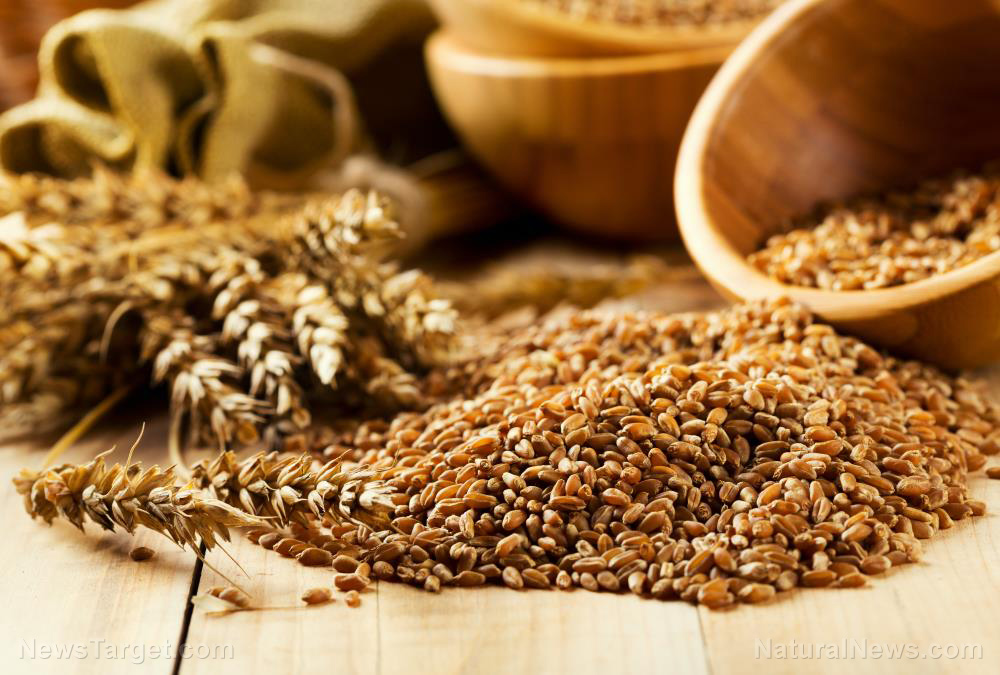
- Sprouted grains unlock nutrients, enzymes and digestibility through germination, enhancing nutritional value.
- Scientific studies highlight reduced phytic acid, increased vitamins and easier gluten digestion.
- Modern processing often skips sprouting, but renewed interest bridges ancient tradition and health trends.
- Home sprouting is easy but requires vigilance to avoid mold; store-bought options are widely available.
Sprouted grains, once a niche practice of pre-industrial cultures, are surging in popularity as a nutrient-rich alternative to conventional grains. By activating enzymes and breaking down anti-nutrients, sprouting transforms dormant kernels into digestible powerhouses, offering a solution for those struggling with gluten sensitivity or seeking balanced nutrition. This revival, driven by scientific validation of sprouting’s benefits and a growing market for functional foods, highlights a return to ancestral wisdom. From breakfast bowls to artisanal breads, sprouted grains promise both health and culinary versatility.
The science behind the sprout: How germination transforms nutrition
Sprouting grain involves rehydrating whole kernels until a tiny sprout emerges—often within 2–3 days after soaking. This process triggers enzymatic reactions that soften starches and proteins, neutralizing compounds like phytic acid that hinder mineral absorption. Research shows sprouted grains gain up to 24 times higher B vitamins and triple their antioxidants, while soluble fiber increases dramatically.
“Sprouting unlocks nutrients that were previously locked away,” explains Jennifer McGruther, author of Nourished Kitchen. “It’s an ordinary miracle of nature, making grains more bioavailable and easier on the gut.” Clinical studies affirm these claims: a Japanese trial found sprouted brown rice improved blood sugar control in diabetics, while a Finnish study revealed rye sprouted at 30 C boosted folate content by 300 percent.
Historical context and modern relevance: From ancient agriculture to your pantry
Before industrial milling, grains were often soaked or sprouted to enhance digestibility and reduce spoilage. Modern methods, however, prioritize shelf life over nutritional quality, stripping enzymes through high-heat processing. This shift left many with sensitivities to undigested gluten or mineral deficiencies.
“The sprouting revival isn’t just a trend—it’s correcting a centuries-old mistake,” says Kristina LaRue, registered dietitian and advocate for Silver Hills Bakery. “Ancient farmers understood that soaking and sprouting optimized food value—a principle science is now proving.”
Today’s spotlight on gut health and gluten-free diets has made sprouted grains a star, as emerging research shows reduced gluten proteins in sprouted wheat and prebiotic benefits from elevated fiber.
The practical art of sprouting at home: Tips and warnings
Sprouting requires simple tools: a jar, mesh screen and a windowsill. The process, though straightforward, demands care to avoid mold. After soaking grains overnight, rinse them twice daily and drain completely to prevent souring.
Jennifer McGruther emphasize patience: “If the sprouts smell off or grow fuzzy patches, toss them. Invest in good-quality organic grains to ensure sprouting success.” Home sprouts can be eaten raw in salads, dried for storage, or blended into porridge, while shelf-stable sprouted grain products bridge the gap for busy lifestyles.
A growing market: Sprouted grains spearhead a food trend
The demand for sprouted products has skyrocketed, with sales rising 12 percent annually since 2020. Supermarket shelves now stock sprouted breads, rice cereals and even sprouted lentil chips. This shift reflects consumer trust in natural foods: a 2023 survey found 65 percent of U.S. consumers actively seek out sprouted grain products for their health benefits.
Reconciliation of past and present: The future lies in balanced traditions
Sprouted grains exemplify how ancient practices can harmonize with modern nutrition science. By sprouting, we reclaim a method proven over millennia to nurture both body and earth—addressing 21st-century health challenges while honoring ancestral wisdom. Whether nurturing sprouts on a kitchen counter or grabbing sprouted snacks during a busy day, consumers are voting with their choices for foods that align health and tradition.
Sources for this article include:






Please contact us for more information.