


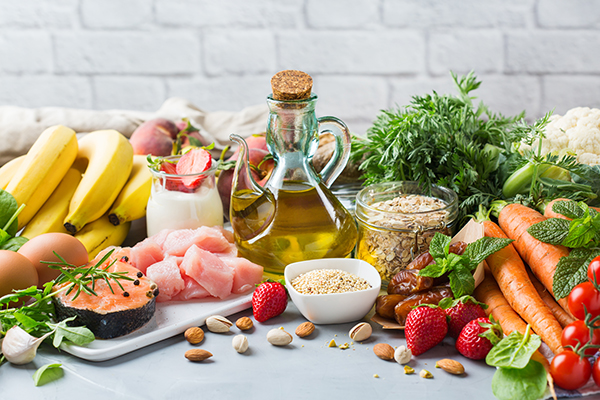
Depression doesn’t just weigh on the mind—it lingers in the body, shaping everything from sleep to appetite, energy to joy. For older adults, especially women, the risk can feel like an unavoidable shadow creeping in with age. But what if the solution wasn’t just in therapy or medication, but on the dinner plate? A growing body of research suggests that the Mediterranean diet—rich in fish, nuts, fruits, and olive oil—may be one of the most potent shields against depression, particularly for women over 60. And the science behind it is more compelling than ever. Let's take a look at the latest study which points to Mediterranean Diet shielding women from depression by fighting oxidative stress.
Key points:
- A study of nearly 800 older adults found that women who closely followed a Mediterranean diet had a 62% lower risk of depression—especially when eating seafood three or more times a week.
- Men also benefited, with an 82% reduction in depressive symptoms when consuming more nuts and fruits.
- Omega-3 fatty acids in fish, along with anti-inflammatory compounds in plant foods, may explain the diet’s brain-protecting effects.
- Omega-3 fatty acids help regulate neurotransmitters like serotonin and dopamine, which influence mood and emotional resilience
- Almonds, walnuts, and berries are loaded with polyphenols—plant compounds that fight oxidative stress, another key pathway in the depression equation.
- Despite promising findings, researchers emphasize the need for more gender-specific studies to understand why women respond so strongly to seafood.
The fish factor: Why omega-3s might be a mood game-changer
The Mediterranean diet has long been praised for its heart-healthy perks, but its mental health benefits are now stealing the spotlight. In the study published in the British Journal of Nutrition, researchers tracked dietary habits and depression symptoms in adults aged 64 to 97. The results were striking: Women who ate fish at least three times a week saw the most dramatic drop in depression risk.
Why? Fatty fish like salmon, mackerel, and sardines are packed with omega-3s—essential fats that the brain craves. These nutrients help regulate neurotransmitters like serotonin and dopamine, which influence mood and emotional resilience. They also cool inflammation, a known contributor to depression. As Dr. Uma Naidoo, a nutritional psychiatrist, explains, “Inflammation in the gut loops back to the brain, potentially leading to neurocognitive decline.” By feeding the brain the right fats, the Mediterranean diet may act like a natural antidepressant, without the side effects of medication.
Not just for women: How nuts and fruits lift men’s mental health
While women reaped the biggest rewards from seafood, men weren’t left out. Those who ate more nuts and fruits saw depressive symptoms plummet by 82%. Almonds, walnuts, and berries are loaded with polyphenols—plant compounds that fight oxidative stress, another key player in depression.
The study didn’t pinpoint why men responded differently, but one theory stands out: Testosterone metabolism. Some research suggests that men’s brains may process antioxidants and fats differently, making nuts and fruits particularly protective. Whatever the reason, the takeaway is clear—whole, unprocessed foods are brain fuel, no matter your gender.
Modern psychiatry often focuses on drugs and therapy, but diet remains an underrated tool. The SMILES trial, a landmark study led by Dr. Felice Jacka, proved that dietary changes alone could significantly reduce depression in just 12 weeks. Participants who switched to a Mediterranean-style diet saw three times more improvement than those in social support groups.
Yet, despite the evidence, dietary interventions are rarely part of standard mental health care. “We’re quick to medicate but slow to nourish,” says Dr. Naidoo. With depression rates climbing—especially among older adults—it’s time to ask: Could the answer lie not in a pill, but in the pantry?
Sources include:








Please contact us for more information.