


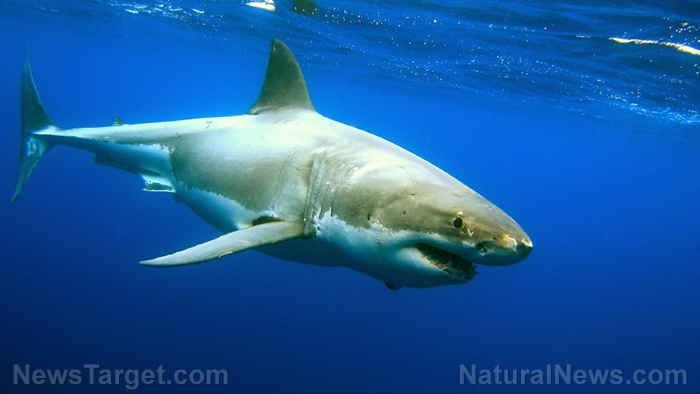
- Breakthrough shark-resistant wetsuit materials drastically reduce severe injuries from white and tiger shark bites.
- All four tested fabrics outperformed standard neoprene, cutting critical damage linked to life-threatening blood loss.
- Ultra-strong polyethylene fibers provide flexible, non-lethal protection without harming marine ecosystems.
- Research empowers surfers, divers, and coastal workers to choose gear that balances mobility and survival.
- No suit is 100% shark-proof, but innovations like these shift focus from killing sharks to smarter human safety.
The open ocean has always been a battleground between humans and predators, but now science is giving swimmers and surfers a fighting chance. Australian researchers have tested four bite-resistant wetsuit materials against white and tiger sharks—two of the deadliest species—and found that all significantly reduced severe injuries compared to standard neoprene. While no suit can eliminate risk entirely, these breakthrough fabrics could mean the difference between life and death.
The study, published in Wildlife Research and funded by the New South Wales Department of Primary Industries, put four materials—Aqua Armour, Shark Stop, ActionTX-S, and Brewster—to the test. Researchers from Flinders University’s Southern Shark Ecology Group exposed each fabric to bites from white and tiger sharks, measuring damage across four severity categories: superficial, moderate, substantial, and critical. The results were clear: every bite-resistant material outperformed traditional neoprene, drastically reducing lacerations, punctures, and blood loss.
"While there were small differences between the four tested materials, they all reduced the amount of substantial and critical damage, which would typically be associated with severe hemorrhaging and tissue or limb loss," said Dr. Tom Clarke, a shark ecologist at Flinders University.
A shift to non-lethal protection
For decades, shark mitigation relied on culls, nets, and drumlines—methods that often harmed marine life indiscriminately. But public sentiment has shifted toward non-lethal solutions, from electric deterrents to visual camouflage. Bite-resistant wetsuits now join this growing toolkit, offering personal protection without ecological collateral.
The key innovation lies in ultra-high molecular weight polyethylene, a fiber so strong it’s used in bulletproof vests and sailing ropes. Unlike rigid chainmail, which was once the go-to for shark defense, these new materials flex with movement, making them practical for surfers, divers, and fishermen.
"While these suits don’t eliminate all the risk, our results indicate that they can reduce blood loss and trauma from major lacerations and punctures, potentially saving lives," said Professor Charlie Huveneers, who led the study.
Why this matters for coastal communities
Shark bites are statistically rare, but their psychological and economic impact is outsized. A single incident can devastate tourism-dependent towns, sparking calls for drastic measures like beach closures or shark hunts. With human-shark interactions rising due to coastal development and warming waters, non-lethal solutions are more urgent than ever.
The study’s findings empower both professionals and recreational ocean users. Commercial divers, lifeguards, and surfers can now choose gear that balances mobility and protection.
"Our findings will allow for informed decisions to be made about the use of bite-resistant wetsuit materials for occupational activities, as well as enabling the public to make appropriate decisions about the suitability of using these products," Huveneers noted.
The limits of shark-proof tech
No wetsuit can guarantee safety. Internal injuries and crushing force from a shark’s jaws may still occur. And while the tested materials held up against sharks up to nine feet long, some great whites exceed 20 feet. Yet even partial protection is a game-changer.
"They can reduce blood loss and trauma from major lacerations," Clarke emphasized, which is something that is critical when every second counts in survival.
This research aligns with a broader push for coexistence over conflict. From magnetic shark repellents to drone surveillance, innovation is making oceans safer without resorting to slaughter. For those who live or play where sharks roam, these wetsuits offer a rare win: freedom in the water, with a little less fear.
Sources for this article include:











Please contact us for more information.