


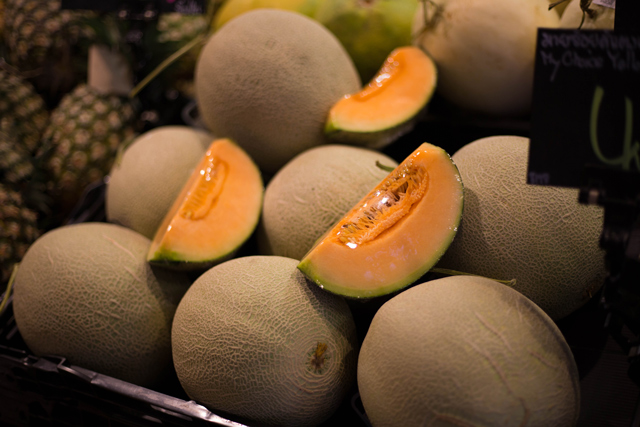
- Over two dozen cantaloupe products were recalled in several states for possible Listeria contamination. No illnesses yet, but consumers should discard or return them.
- Their tough rind traps bacteria; low acidity and high-moisture helps germs thrive and contamination can even reach the flesh.
- Cantaloupes have caused multiple deadly outbreaks, including a 2011 listeriosis crisis that killed 33 people.
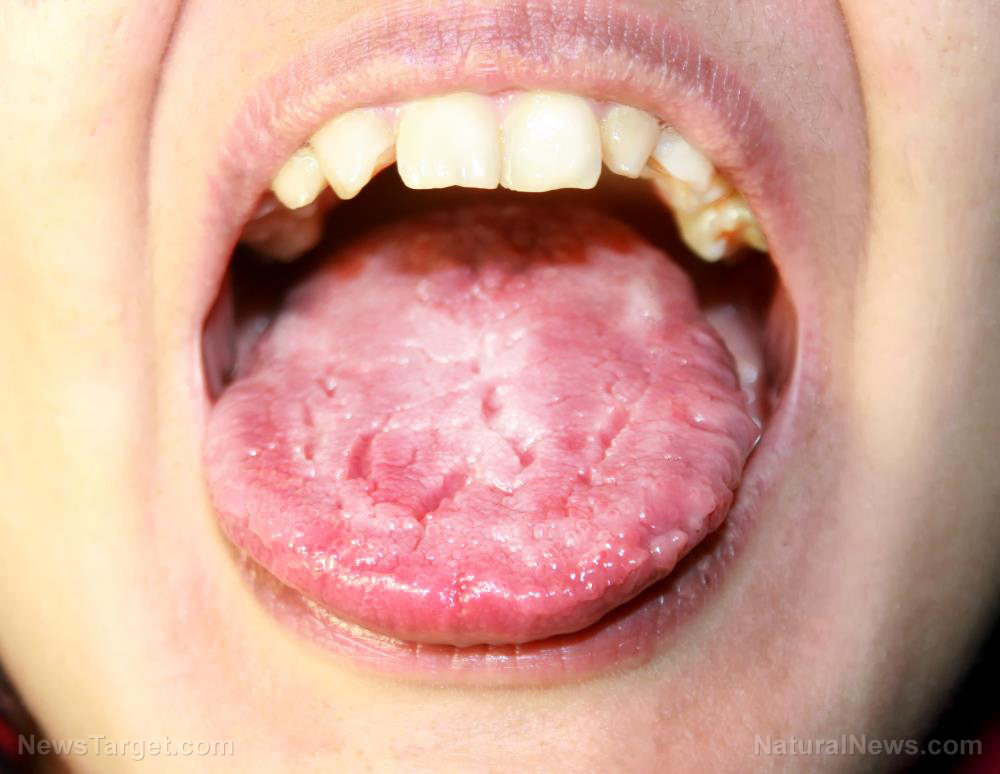
- Illness may appear days or weeks later – diarrhea, fever, headache, muscle aches, nausea or confusion. In pregnancy, it can cause miscarriage or newborn illness.
- Keep your refrigerator at 40 degrees Fahrenheit, scrub rinds before cutting, cook high-risk foods to 165 degrees Fahrenheit and stay alert to recalls.
What if a hidden threat – one that actually thrives in the cold – was lurking in your refrigerator right now, on something as seemingly innocent as a container of fresh-cut cantaloupe?
That unsettling question became reality this fall. More than two dozen varieties of fresh-cut cantaloupe were pulled from store shelves after routine testing revealed possible contamination with Listeria monocytogenes. The products sold under Harvest Cuts and Fresh and Finest brands were distributed in Nebraska, North Dakota and Wisconsin, with potential reach into other states. While no illnesses have yet been reported, the recall is a sharp reminder that food safety vigilance does not stop at the grocery store – it continues in your kitchen.
Here's a quick breakdown of the recall.
Wholesale Produce Supply, a Minneapolis-based supplier, voluntarily recalled its fresh-cut cantaloupe products after routine checks flagged possible contamination. Items included fruit medleys, melon chunks, spears and mixed trays. Customers who purchased these are advised to discard or return them immediately.
Although no cases of illness have been tied to this recall yet, health officials urge people to stay alert for symptoms of listeriosis, which include:
- Fever and chills
- Muscle aches
- Diarrhea or nausea
- Headaches, stiff neck or confusion
- Seizures or meningitis in severe cases
For many healthy adults, listeriosis may resemble a bad flu. But for pregnant women, newborns, older adults and people with weakened immune systems, it can be life-threatening.
What is Listeria?
Most people associate food poisoning with potato salad left out in the summer heat or undercooked meat at a barbecue. But Listeria monocytogenes is a different breed altogether. Unlike most bacteria, it can not only survive but actually grow in cold environments – including your refrigerator.
That is why it has been called the "iceman" of bacteria. Listeria quietly persists where other pathogens die off, making refrigerated, ready-to-eat foods – like deli meats, soft cheeses, smoked seafood and cut fruit – particularly risky when contaminated.
Adding to the challenge, listeriosis has a long incubation period. Symptoms can appear days or even weeks after exposure, making it hard to link back to the culprit food. That delay complicates diagnosis and can sometimes allow the infection to spread further before treatment begins.
Why are cantaloupes a repeat offender?
Why does cantaloupe, of all fruits, so often make the news in contamination cases? The answer lies in its biology and how it's grown.
- Rough rind: Cantaloupe's netted rind is full of nooks and crannies that trap dirt and bacteria. Unlike smooth-skinned fruits, these crevices make it very difficult to fully clean.
- Ground contact: Because cantaloupes grow on the soil, they're exposed to pathogens from irrigation water, rain runoff or even animal droppings.
- Low-acidity, high moisture: Inside, cantaloupes offer exactly what bacteria love: a moist, low-acid environment that supports rapid growth.
- Internalization: Pathogens can move from the rind into the flesh through stem scars or pores, meaning contamination is not always just skin-deep.
These factors combine to make cantaloupes especially vulnerable. Between 2000 and 2020, they were linked to at least 45 outbreaks in the United States – causing nearly 2,000 illnesses, almost 400 hospitalizations and 40 deaths, the highest death toll linked to any produce. The deadliest outbreak occurred in 2011, when contaminated cantaloupes from Colorado caused 147 illnesses and 33 deaths nationwide.
It is not just Listeria, either. Salmonella and other bacteria have also been tied to cantaloupes, making this fruit one of the riskiest when it comes to bacterial contamination.
Who's most at risk?
For most healthy adults, a bout of listeriosis may pass with hydration and rest. But certain groups face much higher stakes:
- Pregnant women and unborn babies: Pregnant women are about 10 times more likely than others to develop listeriosis. The infection may cause only mild symptoms in the mother but can lead to miscarriage, stillbirth, premature birth or severe illness in the newborn. Pregnant Hispanic women face an even higher risk, partly due to cultural foods, like queso fresco, that can harbor Listeria.
- Older adults: Age weakens the immune system, making those over 65 more vulnerable.
- People with weakened immunity: This includes those with cancer, diabetes, kidney disease or HIV, as well as individuals on immune-suppressing medications.
For these groups, listeriosis can quickly escalate to blood infections, meningitis or death. That's why recalls are taken so seriously: The risk is not theoretical – it's very real.
Can natural remedies help?
Antibiotics remain the standard treatment for listeriosis, but scientists are exploring complementary approaches. A 2015 review of Iranian medicinal plants found several herbs with antimicrobial compounds effective against Listeria monocytogenes in lab studies.
- Oregano and thyme: Rich in carvacrol and thymol, compounds with strong antimicrobial activity that can damage bacterial cell walls and disrupt growth.
- Chamomile and yarrow: Contain flavonoids with anti-inflammatory effects, which may calm the body's immune response during infection.
- Rosemary and sage: Packed with antioxidants and terpenoids that could reduce oxidative stress while inhibiting bacterial activity.
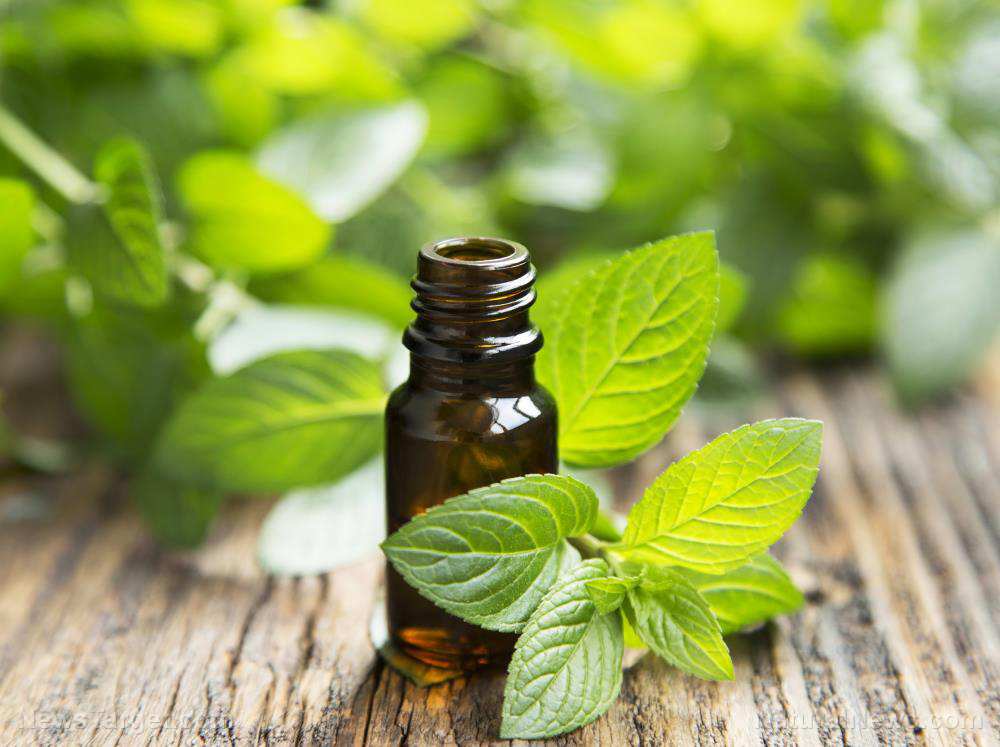
- Ajwain, cumin and peppermint: Provide bioactive oils and alkaloids shown in lab studies to slow or block Listeria growth.
These findings are preliminary – but they highlight how traditional remedies may one day complement medical treatments, offering new and natural ways to fight antibiotic-resistant bacteria.
What doctors and experts want you to know
Health experts emphasize that prevention is the best medicine. Here's what doctors say you should keep in mind:
- Listeria is stealthy: Found in soil, water and animal products, it contaminates foods from deli meats and raw vegetables to soft cheeses and fresh fruits – cantaloupe in particular.
- Some people face higher stakes: Pregnant women, adults over 65 and those with weakened immune systems are far more likely to develop serious illness, sometimes with life-threatening complications.
- Symptoms can take their time: Unlike typical food poisoning, listeriosis may not shop up for days – or even a month – after eating contaminated food. Watch for fever, muscle aches, upset stomach, or in severe cases, confusion and seizures.
- Cold doesn't stop it – heat does: Listeria can survive in your fridge and even in frozen foods. Cook risky items, like hot dogs and deli meats until steaming and do not rely on washing produce alone to keep you safe.
- Smart habits can go a long way: Use refrigerated foods promptly, toss anything past its "use by" date and take extra care with melons, where bacteria can move from rind to flesh. Always pay attention to recall alerts.
- Treatment varies: Mild cases pass with hydration and rest but high-risk individuals – especially pregnant women – often need antibiotics. Severe infections may require hospital care. If you notice symptoms and recently ate a recalled food, call your doctor immediately.
The FDA offers straightforward guidance to reduce your risk of foodborne illness at home:
- Wash your hands with warm, soapy water for 20 seconds before and after handling produce.
- Rinse produce before peeling so dirt and bacteria aren't transferred from rind to flesh.
- Rub fruits and vegetables under running water, no need for soaps or commercial washers.
- Use a clean vegetable brush to scrub firm produce like melons, cantaloupes and cucumbers.
- Dry produce with a clean towel to reduce surface bacteria.
- Cut away bruised areas, which can harbor pathogens.
- Store properly. Keep your fridge at or below 40 degrees Fahrenheit, freezer at zero degrees Fahrenheit and refrigerate perishables produce promptly
Food should nourish, not harm. By staying mindful of Listeria's risks, paying attention to recalls and practicing safe food handling, you can protect yourself and people who matter most. Check your fridge. Share this article. And stay informed.
Learn how to make sure your cantaloupe is safe by watching this video.
This video is from the Daily Videos channel on Brighteon.com.
More related stories:
Danish AI study shows common disinfectants may be useless against evolving Listeria superbugs.
Sources include:










Please contact us for more information.