







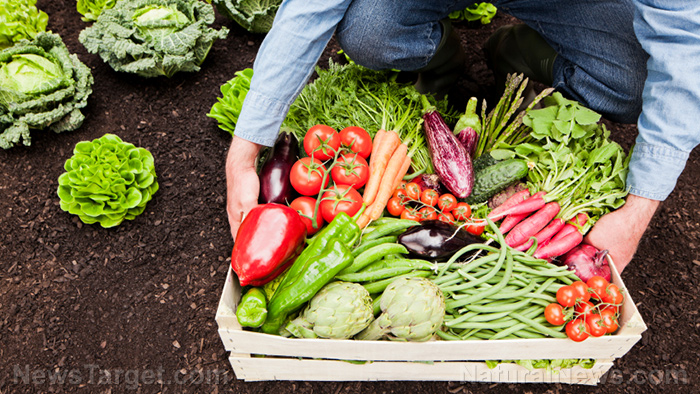
- Fruits like apples and bananas release ethylene gas, which can accelerate the ripening and spoilage of surrounding produce.
- Separating ethylene producers from sensitive produce in the fridge can prevent spoilage and minimize food waste.
- Storing certain fruits and vegetables at room temperature or refrigeration can extend their shelf life, with careful attention to ripeness.
- Washing produce just before consumption helps reduce contaminants and pesticides, but not all items should be washed prematurely.
- Freezing is an effective way to preserve produce for future use, but care must be taken to avoid overripe or spoiled products.
When it comes to preserving the freshness of your fruits and vegetables, the battle is often lost before it even begins. Ethylene gas, a natural plant hormone, plays a crucial role in the ripening—or, sometimes, the spoiling—of produce. Understanding how ethylene affects different fruits and vegetables is not just a matter of convenience but also an impactful step toward reducing food waste and saving money. Today, experts are shedding light on how best to store your produce, offering practical advice that can keep your produce fresh for longer periods.
Unpacking ethylene: The double-edged sword
Ethylene is a natural gas released by some fruits that accelerates ripening. Macarena Farcuh, an assistant professor of plant science and landscape architecture at the University of Maryland, explains that ethylene is more than just a ripening agent; it triggers flower aging, fruit shedding, and helps plants respond to stress. Assistive developmental processes aside, ethylene can be problematic when certain produce is stored together. For example, storing ethylene producers like bananas and apples alongside sensitive fruits and vegetables like cucumbers and lettuce can speed up their spoilage.
Lynette Johnston, an assistant professor and food safety extension specialist at North Carolina State University, elaborates, "Fruits such as bananas, apples and avocados are high producers [of ethylene], while crops like carrots and leafy greens produce very little." So storing these together can cause vegetables to ripen faster and spoil more quickly.
The art of storage: Separation is key
To avoid ethylene-induced spoilage, it’s crucial to separate producers from sensitive produce. Paper bags provide the best solution for ripening produce because they allow air exchange while keeping ethylene in. Macarena Farcuh explains: "Paper bags facilitate air exchange, avoid excessive moisture buildup, and are still able to keep ethylene in order to accelerate ripening. Plastic bags are going to create a highly humid environment, which can enhance rot development, as well as prevent an even air exchange."
Certain specialized storage containers or drawers can also be beneficial, ensuring proper air circulation and maintaining optimal conditions.
It’s easy to overlook the importance of storing fruits and vegetables properly in the rush of daily life. But it's worth the effort because, not only does it prevent waste, but it also ensures that your produce is ripening at the right pace, maintaining both quality and flavor.
Temperature considerations: Cooling down the ripening process
Temperature plays another pivotal role in slowing down the ripening process. Refrigeration can extend the shelf life of many fruits and vegetables, but not all are suitable for cold storage. For instance, storing potatoes, onions and garlic in the refrigerator can reduce their shelf life and cause them to spoil more quickly. Instead, these items should be stored in a cool, dry place, away from ethylene producers.
Johnston suggests we monitor humidity levels. For things like leafy greens, the fridge crisper drawer is ideal because keeping the humidity high allows them to last longer. Meanwhile, fruits like tomatoes are best ripened on the counter and then refrigerated once fully ripe for extended storage.
Thorough preparation: How to handle fresh produce
Proper preparation is just as important as proper storage. Washing fruits and vegetables just before consumption is generally recommended, as it helps reduce contaminants and pesticides. However, berries and mushrooms are exceptions, waiting until you're ready to eat them to wash them is the best practice.
Herbs and leafy greens should be dried thoroughly before refrigeration, as excess moisture can lead to rapid spoilage. Store herbs in a damp paper towel or plastic bag to mimic their natural conditions, while leafy greens benefit from being stored in damp paper towels in airtight containers.
Fresh produce, fresh impact
Proper storage not only keeps your fruits and vegetables fresh but also contributes positively to reducing food waste and environmental impact. According to research by the University of Maryland and North Carolina State University, understanding how ethylene affects produce can significantly lower the estimated $1,350 to $2,275 wasted annually by the average household. Small adjustments, like storing ethylene-producing fruits separately, can go a long way in preserving the freshness of your produce and making your kitchen more efficient and eco-friendly.
As the world continues to face challenges related to food waste and sustainability, taking these steps can have a big impact on both your wallet and the environment. With the right knowledge and a bit of effort, you can ensure that your fresh produce not only thrives but also mitigates waste.
Sources for this article include:





Please contact us for more information.