


If society ever truly collapses—through economic breakdown, grid failure, or civil unrest—cash and credit will lose their meaning overnight. What will rise in value instead are practical, hands-on life skills that sustain and rebuild communities.
In a post-SHTF (S*** Hits The Fan) world, the people who can do things—repair, build, grow, and heal—will form the backbone of a new barter-based economy. Gold and ammo may buy a few days of safety, but those who can fix a water system or power a village will shape the future.
- Skills Will Outlast Cash: In a post-collapse world, practical life-skills—not money or possessions—will define survival and success. Those who can fix, build, or maintain essential systems will become the new elite.
- Essential Trades for Survival: Plumbing, electrical repair, welding, off-grid power setup, and solar maintenance ensure clean water, power, and shelter—core foundations for any functioning community.
- Sustenance and Health Expertise: Butchering, food preservation, and herbal medicine will replace supermarket and pharmacy dependence, turning skilled individuals into community cornerstones.
- Barter and Repair Economy: Negotiation, bartering, and sewing skills will sustain the new marketplace, where trade replaces currency and resourcefulness determines status and stability.
When the grid goes dark, skill becomes the new currency
- Plumbing and Water Systems
Water is survival’s foundation. Those who can design rain catchment setups, fix leaks, or purify contaminated water will be indispensable. Knowing how to build gravity-fed systems, repair hand pumps, and maintain septic tanks makes you a lifeline to every community. Advanced know-how like creating bio-sand filters or greywater recycling adds even more value. In short, plumbers and water techs will keep off-grid communities alive.
- Electrical Repairs
When the grid fails, electricians become magicians. Rewiring homes, salvaging batteries, and fixing radios or lanterns can restore comfort and communication. With enough know-how, you could even establish small local microgrids powered by solar or wind energy. The ability to make light and power return where others see darkness ensures both protection and purpose.
- Off-Grid Power Systems
Solar and wind energy will become vital. Those who can build and maintain off-grid power setups using salvaged parts will rank among the post-collapse elite. These engineers can power wells, refrigeration units, and even field clinics. In a decentralized world, energy independence equals leadership.
- Solar Maintenance
Solar systems need care—cleaning, realignment, and repair to maintain output. A “solar whisperer” who can maximize panel performance and build DIY solar cookers or heaters will be a prized asset. Energy efficiency becomes survival efficiency.
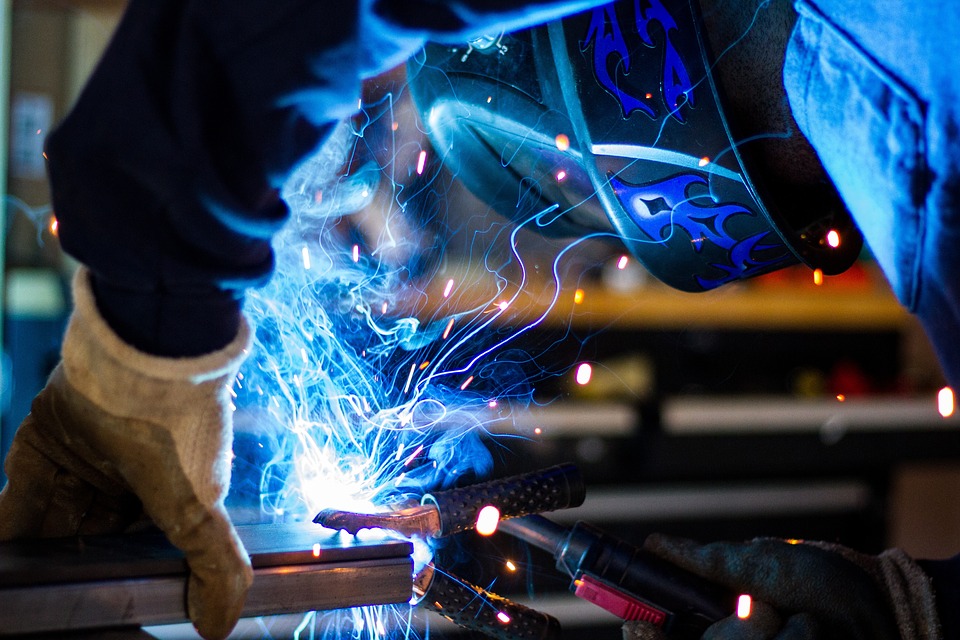
- Welding and Metalwork
When mass manufacturing stops, welders will rebuild civilization one hinge or stove at a time. They can reinforce gates, fix trailers, and craft vital tools from scrap. Blacksmithing and fabrication skills turn raw metal into security, warmth, and mobility.
- Butchering and Meat Preservation
Food preservation ensures long-term survival. Skilled butchers can process livestock or game and then smoke, salt, or can the meat. They also create trade goods like jerky and tallow while preventing waste. With refrigeration gone, this becomes a cornerstone skill for every settlement.
- Herbal Medicine and Remedies
When pharmacies close, herbalists take over. The ability to identify, grow, and prepare healing plants will replace the need for many conventional drugs. Salves, tinctures, and poultices keep wounds clean and communities healthy. Natural healers become doctors, pharmacists, and counselors in one.
- Bartering and Negotiation
Trade will replace money, and those who know how to barter fairly will maintain peace and prosperity. Negotiators who can assess value, manage disputes, and foster trust will be as vital as food producers. The future’s wealth lies in human cooperation.
- Sewing and Clothing Repair
Clothing wears out quickly when replacements aren’t available. Those who can mend, patch, or craft garments will supply both comfort and dignity. Tailors and leatherworkers keep communities warm, dry, and equipped for every season.
In the end, survival won’t belong to the strongest or the richest—but to the most useful. When everything else fails, knowledge, skill, and self-reliance will be the true currencies of life.
Sources for this article include:







Please contact us for more information.