


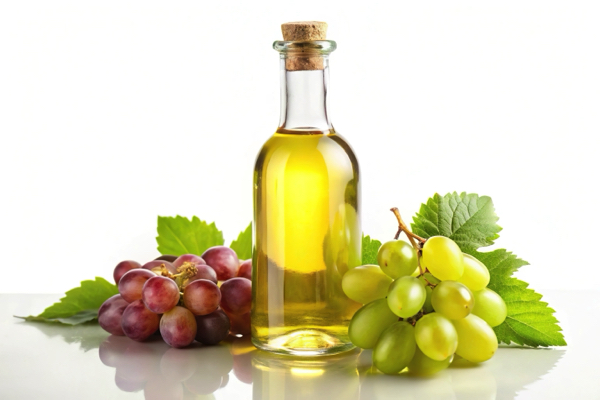
- Grapeseed oil is extracted from wine-making byproducts and gained commercial use in the 20th century. It is valued for its high smoke point and mild flavor, making it versatile for cooking.
- Rich in omega-6 fatty acids (linoleic acid), vitamin E and antioxidants (polyphenols, phytosterols), but refined versions lose many benefits during processing. Cold-pressed, unrefined options retain more nutrients.
- High smoke point (~420°F) makes it suitable for frying, but its omega-6 imbalance may promote inflammation. Refining processes (often with hexane) raise concerns about chemical residues and oxidation.
- Non-organic grapeseed oil may contain pesticides (glyphosate, fungicides) and heavy metals. Opt for cold-pressed, organic versions in dark glass bottles, stored refrigerated for better quality.
- Grapeseed oil is ideal for stir-frying, dressings, baking and mayonnaise due to its neutral taste. However, experts recommend using it moderately and choosing less refined alternatives for low-heat cooking to preserve nutrients.
Grapeseed oil has gained popularity in recent years as a versatile cooking oil with potential health benefits. Extracted from the seeds of grapes, it is praised for its high smoke point, mild flavor and nutrient profile. However, debates continue over its healthfulness, especially when compared to other plant-based oils like olive or avocado oil.
Grapeseed oil is derived from the seeds of Vitis vinifera, the same species used in wine production. Historically, the oil was discovered as a byproduct of wine-making, where grape seeds were often discarded until their oil-extraction potential was recognized.
While ancient civilizations primarily cultivated grapes for wine, grapeseed oil didn't gain commercial prominence until the 20th century, when modern extraction techniques allowed large-scale production. Today, it's widely used in restaurants and home kitchens due to its neutral taste and high-heat stability.
Nutritional profile of grapeseed oil
Grapeseed oil is predominantly composed of polyunsaturated fats, particularly omega-6 fatty acids (linoleic acid), with smaller amounts of omega-9 (oleic acid) and saturated fats. It also contains:
- Vitamin E (tocopherols), a powerful antioxidant that supports skin and immune health.
- Antioxidants that may help reduce oxidative stress, like polyphenols and proanthocyanidins.
- Plant compounds that may help lower LDL cholesterol, like phytosterols.
However, most commercially available grapeseed oils are highly refined, meaning many of these beneficial compounds are stripped away during processing. Cold-pressed, unrefined grapeseed oil retains more nutrients but is less common in mainstream markets.
Benefits and potential risks of grapeseed oil
Grapeseed oil is often compared to oils like corn oil due to its high smoke point (~420°F/215°C), making it suitable for frying, sautéing and baking, as well as its light flavor, which works well in dressings and marinades. It also contains vitamin E, which supports skin health and acts as an antioxidant.
However, grapeseed oil has significant drawbacks: Its high omega-6 fatty acid content can contribute to inflammation if not balanced with omega-3s. Additionally, the refining process used in commercial production often involves chemical solvents like hexane, raising concerns about trace residues. Once refined, grapeseed oil loses many of its minor beneficial compounds, and its polyunsaturated structure makes it prone to oxidation and rancidity – especially if stored improperly or subjected to high heat during cooking.
For these reasons, some experts recommend opting for unprocessed, organic seed oils stored in dark glass and refrigerated, as they better preserve nutritional integrity when used at lower temperatures. While grapeseed oil is a common cooking choice, its potential downsides suggest more careful consideration is needed, particularly for high-heat applications.
Organic vs. non-organic grapeseed oil
Since grapes are listed on the Environmental Working Group's (EWG) "Dirty Dozen" list, indicating high pesticide residues, non-organic grapeseed oil may contain traces of harmful contaminants such as glyphosate (a controversial herbicide), fungicides (commonly used in vineyards) and even small amounts of heavy metals like arsenic, lead or cadmium.
To minimize exposure to these toxins, opting for organically grown grapeseed oil is advisable. Look for varieties that are cold-pressed, unrefined and stored in dark glass bottles to maintain nutritional integrity. Additionally, refrigerating the oil can help preserve its quality.
Remember that this content is for informational purposes only and is not intended as medical advice or to diagnose, treat or cure any disease. For personalized guidance on your health and dietary needs, consult a qualified healthcare professional or naturopathic physician.
Visit NaturalNews.com, an excellent resource for related articles about health and nutrition. This platform allows you to explore the world of superfoods and uncover their many health benefits.
You can also try BrightU.ai, an AI model created by Mike Adams, also known as the Health Ranger. This model is available as a free download to be run locally and is designed to help share and decentralize knowledge. By doing so, it aims to bypass censorship and empower people with knowledge.
For a platform that champions uncensored video content and free speech, particularly for discussions on nutrition, natural medicine, ingredients and related topics, check out Brighteon.com, a website that offers a space for open dialogue and exploration of these subjects without restrictions.
Lastly, you can try Brighteon.IO and Brighteon.social, two free speech-focused social media platforms where users can openly discuss topics such as health, nutrition, ingredient safety, toxicity and related subjects without fear of censorship. These platforms aim to provide a space for unrestricted dialogue on critical issues.
Watch Dr. Anil Rajani discussing the benefits of grapeseed oil for the skin.
This video is from the Daily Videos channel on Brighteon.com.
Sources include:









Please contact us for more information.