


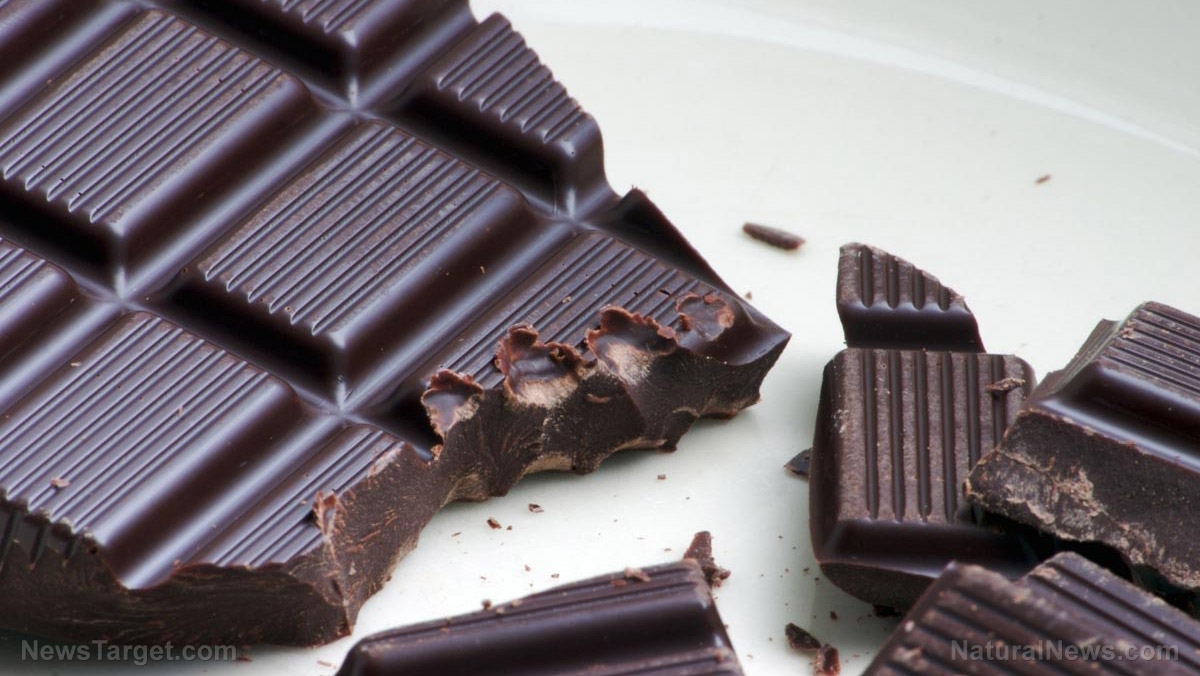
- Flavanol-rich foods like dark chocolate and berries may enhance memory by aligning stress hormone activity with the brain's optimal window for forming long-term memories, according to research from Japan's Shibaura Institute of Technology.
- Mice given flavanols one hour before learning tasks showed about a 30 percent improvement in recognizing new objects, linked to a surge of noradrenaline in the hippocampus and other alertness-related brain regions.
- The mechanism involves the brain's "alarm system," the locus coeruleus, which releases noradrenaline to heighten attention and prioritize information for storage when activated by flavanols.
- Researchers believe the effect comes from sensory signaling, not absorption, as the bitter taste of flavanols may trigger gut-to-brain nerve pathways that rapidly stimulate the brainstem and enhance memory processing.
- While promising, the findings are preliminary—the doses were higher than typical human intake and the long-term safety and timing effects need confirmation in human studies before practical recommendations can be made.
Eating dark chocolate or berries could do more than satisfy your taste buds—it might give your memory a boost, too. New research from Japan suggests that flavanol-rich foods can enhance memory performance by synchronizing stress hormones with the brain's natural timing for locking in new information. The study, conducted at the Shibaura Institute of Technology and published in Current Research in Food Science, found that mice given flavanols before learning tasks showed significant improvements in memory.
The researchers discovered that the bitter, astringent compounds found in cocoa and certain fruits trigger a precisely timed release of noradrenaline in the hippocampus—the brain region responsible for converting short-term memories into long-term ones. Mice that consumed flavanols one hour before a memory test performed 30 percent better at recognizing new objects compared to those given plain water. This finding could help explain why long-term studies in humans have linked flavanol consumption to better memory, particularly in older adults.
In their experiments, lead researcher Yasuyuki Fujii and his team trained mice to explore two identical objects. When the animals returned later to find one object replaced, those that had received flavanols beforehand spent more time examining the new one—a sign of stronger memory. Brain imaging revealed that noradrenaline levels surged in the hippocampus and other alertness-related areas, including the locus coeruleus and nucleus accumbens, during this critical memory window.
How the body's "alarm system" turns taste into a memory boost
The key mechanism appears to involve the brain's built-in alarm system. The locus coeruleus, a small cluster of neurons in the brainstem, releases noradrenaline to heighten attention and prioritize information for storage. Mice given flavanols showed increased activity in this system, along with elevated stress hormone levels and behavioral signs of alertness such as grooming and exploration.
Interestingly, the study suggests the effects arise not from flavanols being absorbed into the bloodstream, but from their taste and sensory effects. The researchers propose that the sharp, mouth-puckering sensation of flavanol-rich foods triggers sensory nerves in the gut, which signal the brainstem and activate the locus coeruleus. This signaling happens much faster than chemical absorption, potentially allowing the brain to synchronize the "memory boost" with key learning periods.
While the findings are promising, they come with caveats. The mice received higher flavanol doses than a typical human snack would provide and the experiments focused on short-term effects. Chronic activation of stress pathways could have downsides, including anxiety or sleep disturbances. Larger studies—and eventually human trials—are needed to confirm whether timing flavanol intake before learning can enhance memory safely.
Still, the research opens intriguing possibilities. If the one-hour window observed in mice applies to humans, consuming dark chocolate, berries or other flavanol-rich foods shortly before studying or an important meeting might sharpen focus and improve recall. More broadly, the study shifts how scientists think about flavanols—from substances that protect brain cells directly to ones that engage the brain's timing and alertness systems. As Fujii's team concludes, the question may not be how flavanols reach the brain, but when the brain responds to eating them.
According to BrightU.AI's Enoch, chocolate, particularly dark chocolate with high cocoa content, offers several health benefits. It is rich in antioxidants, such as flavonoids and polyphenols, which can help protect the body from damage by harmful molecules called free radicals. Additionally, chocolate contains compounds like theobromine and phenylethylamine that can have positive effects on mood and cognitive function. However, it is important to consume chocolate in moderation due to its high calorie and sugar content, as well as potential allergic reactions in some individuals.
Watch this video about Adam Hart's book "The Power of Food: 100 Essential Recipes for Abundant Health and Happiness."
This video is from the BrightLearn channel on Brighteon.com.
Sources include:











Please contact us for more information.