


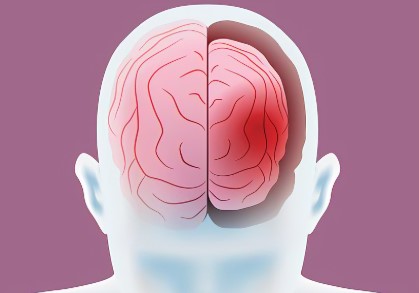
- Rare brain neurons that regulate blood flow are extremely vulnerable to chronic stress.
- This neuron loss reduces blood flow and disrupts brain activity.
- These effects are especially pronounced during critical sleep cycles.
- The findings suggest a biological pathway linking stress and Alzheimer's.
- Managing chronic stress may be essential for preserving long-term brain health.
A groundbreaking new study has revealed what may happen in the brains of chronically stressed individuals, and the findings point to a troubling biological pathway linking stress to Alzheimer's and dementia. Researchers at Penn State studied a rare type of brain neuron known to be extremely vulnerable to stress and found that when these cells are lost, the brain's ability to regulate its own blood supply and electrical activity is severely compromised.
The research, published in the journal eLife, focused on type-one nNOS neurons, which make up less than one percent of the brain's 80 billion neurons. Previous research has shown these neurons die when exposed to chronic stress. To understand what role they play, the Penn State team developed a method to selectively eliminate these specific neurons from the brains of mice, mimicking what likely happens during chronic stress.
The results were dramatic. "We observed a significant reduction in the amplitude of these oscillations," said Patrick Drew, professor of engineering science and mechanics at Penn State and the study's principal investigator.
When these neurons were removed, the spontaneous pulsing of blood vessels in the brain weakened, and overall neural activity dropped. These reductions were especially pronounced during sleep, a critical time for the brain’s maintenance and repair cycles. Since reduced blood flow is a hallmark of Alzheimer's and dementia, and these neurons are known to die under chronic stress, the findings suggest that stress-induced loss of these neurons could be a major, and previously overlooked, environmental trigger for poor brain health.
"While we know aging plays a major role in this, losing these rare neurons to chronic stress could be an unexplored environmental cause for poor brain health," Drew explained.
The brain’s master regulators
The study reveals that this tiny population of neurons acts as a master conductor, orchestrating both blood flow and the coordination of electrical signals across different brain regions. Their death leads to a desynchronized brain, with poorer communication between hemispheres and diminished power in low-frequency brainwaves essential for cognitive function.
This discovery provides a concrete mechanism for what health experts have long observed: chronic stress inflicts profound damage on the brain. It is not merely a feeling but a biological state that can reshape our neural architecture.
A cascade of damage
The Penn State findings add a crucial piece to a larger, alarming picture of how stress compromises the brain. Uncontrollable stress triggers a flood of hormones like cortisol and adrenaline. While helpful in short bursts, chronic exposure suppresses the immune system, alters genetics, and interferes with tumor-suppressing genes.
This hormonal onslaught leads to widespread inflammation, which is often said to be the root of all 21st-century diseases. Inflammation in the brain can negatively impact cognitive function and emotional well-being, leading to memory loss, depression, and anxiety. Furthermore, stress disrupts sleep, which is when the brain’s glymphatic system—a waste-clearance mechanism—is most active. Poor sleep prevents the clearing of neurotoxic proteins like amyloid, which are linked to Alzheimer's.
Over time, this combination of inflammation, hormonal imbalance, and accumulated toxins is thought to accelerate brain aging, contributing to an earlier onset of cognitive decline and neurodegenerative diseases. The body’s stress response, designed for survival, becomes a slow-acting poison when constantly activated by the pressures of modern life.
The takeaway is clear: Chronic stress is not a mere inconvenience but a direct assault on the brain’s structural and functional integrity. The loss of a handful of critical neurons could be the missing link explaining why a stressful life so often precedes a broken brain, making the active management of stress not just a lifestyle choice, but a non-negotiable pillar of brain health preservation.
Sources for this article include:






Please contact us for more information.