







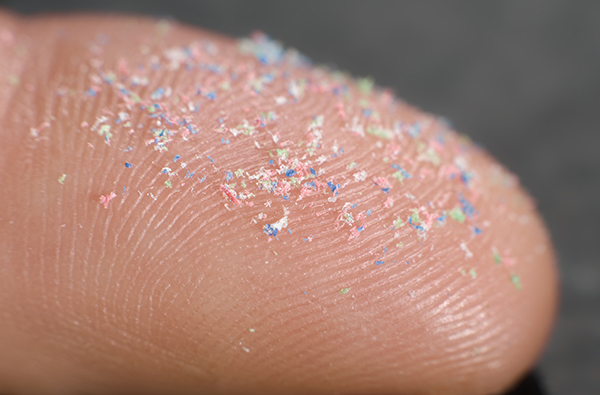
- Microplastics are pervasive in food and water, shedding from common kitchen items like packaging, containers and cookware.
- Heating, physical wear and aging of plastic products dramatically increase the release of these particles.
- Emerging research links microplastic exposure to potential health risks, including inflammation and cellular damage.
- Simple habits, such as avoiding heating plastic and choosing glass or metal alternatives, can significantly reduce exposure.
- A comprehensive approach involves selecting fresh foods, using proper water filtration and replacing worn plastic items.
In homes worldwide, a silent, imperceptible invasion is underway. Microscopic plastic particles, known as microplastics and nanoplastics, are shedding from the very containers, utensils and packaging used to store, prepare and cook daily meals. This contamination is not a distant environmental issue but an intimate one, occurring on countertops and in microwaves, introducing a modern pollutant directly into the human body. As scientific research accelerates, revealing the staggering scale of this contamination and its potential links to a range of health concerns, individuals are seeking actionable strategies to reclaim control over their personal environments and reduce their exposure.
A ubiquitous contaminant
The pervasiveness of microplastics is now an undeniable scientific fact. These particles, defined as less than five millimeters in length, and their even smaller counterparts, nanoplastics, have been found from the deepest ocean trenches to the highest mountain peaks. More alarmingly, they have been detected in human blood, brain tissue and placental cells. The kitchen serves as a primary hub for exposure. A systematic review of over 100 studies concluded that the normal use of plastic food contact articles leads to the migration of these particles into food and drinks. From the simple act of screwing the cap on a water bottle, which can generate hundreds of particles per liter, to opening a plastic-wrapped sandwich, daily routines are filled with moments of involuntary consumption.
How plastics invade your food
The journey of microplastics from common household items into a person’s diet follows several clear pathways, primarily driven by physical stress and chemical interaction.
- Heat and wear: The main drivers of microplastic shedding are heat and physical abrasion. When plastic containers are microwaved, exposed to hot water in dishwashers, or used to hold steaming beverages, the material softens and degrades, releasing millions of particles. Similarly, physical wear is a constant source. Scratched non-stick cookware can release thousands to millions of particles per use, while old, cloudy and worn plastic containers shed far more microplastics than new ones. Studies have shown that reusable melamine bowls can release exponentially more particles after repeated washes.
- Packaging and processing: The problem begins before food even reaches the kitchen. Ultra-processed foods, which pass through numerous industrial touchpoints, often show higher levels of plastic contamination. Simply opening plastic packaging, whether with scissors or by hand, releases a burst of microplastics. Furthermore, plastic-lined paper cups, aluminum cans and even some tea bags that use plastic seals are significant yet overlooked sources, releasing billions of nanoparticles into a single cup of hot water.
Practical strategies for reduction
While eliminating exposure entirely may be impossible, evidence-based changes in daily habits can significantly reduce the amount of microplastics ingested. The goal is not perfection, but a conscious reduction of risk.
The most impactful step is to avoid heating plastic. Consumers should never microwave food in plastic containers, opting instead for glass or ceramic. Similarly, transferring takeaway food to a proper plate before reheating is a simple but effective precaution. In the long term, replacing plastic cookware and food storage with alternatives like stainless steel, cast iron and glass is a highly effective strategy. Using a reusable water bottle made from metal or glass, and filtering tap water where possible, can also drastically cut down on microplastic consumption from beverages. Other prudent measures include rinsing certain foods like rice and selecting natural fabrics over synthetics to reduce the microplastic-laden dust in the home.
A problem rooted in a plastic world
The microplastic challenge is a direct consequence of the plastic saturation of modern life. For decades, the durability and low cost of plastic made it the material of choice for countless applications, from food packaging to consumer goods. The historical focus was on convenience and utility, with little consideration for the long-term health implications of its gradual breakdown. Today, as the scale of global plastic pollution becomes clear—with over 30 million tons entering the environment annually—the legacy of that reliance is manifesting in the most personal of spaces: our homes and bodies. The current scientific scramble to understand the health effects, from oxidative stress and inflammation to potential impacts on organ development, underscores that society is now grappling with the unintended consequences of a material once hailed as a marvel of innovation.
Reclaiming control in a plastic age
The presence of microplastics in the human body is a defining issue of the Anthropocene, a direct result of a planet reshaped by human activity. While systemic solutions, from advanced filtration technologies to a fundamental redesign of plastic production, are urgently needed, the power of individual action should not be underestimated. The habits outlined by researchers provide a tangible roadmap for reducing personal exposure. By making informed choices about the materials used to store, cook and consume food, individuals can take meaningful steps to protect their health. This conscious effort not only minimizes immediate intake but also contributes to a broader cultural shift away from disposable plastic, signaling a demand for a safer, cleaner future. In the face of an invisible invader, awareness and proactive change are the most potent defenses.
Sources for this article include:










Please contact us for more information.