


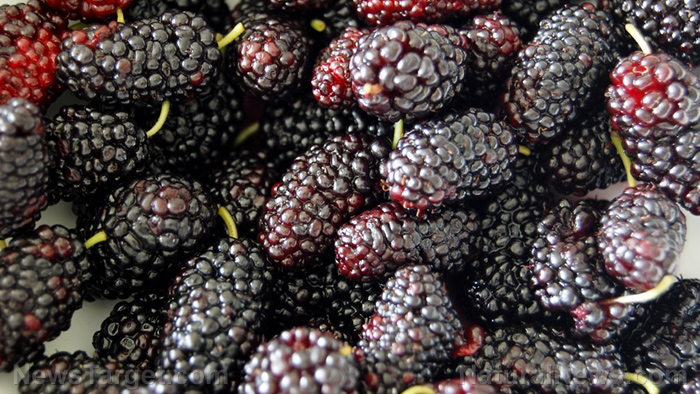
- Mulberries have a rich history dating back over 5,000 years. They originated in China, where they were cultivated for silkworm farming, and played a key role in the Silk Road trade. They are now grown globally due to their adaptability and resilience.
- Recognized as a superfood in the 21st century, mulberries are nutrient-dense, containing high levels of antioxidants (e.g., resveratrol, anthocyanins), vitamins (e.g., vitamin C), minerals (e.g., iron, potassium) and dietary fiber, which contribute to their health-promoting properties.
- Mulberries support cardiovascular health, diabetes management, immune function, digestive health and skin health. Their antioxidants combat oxidative stress and inflammation, reducing the risk of chronic diseases.
- Used in Traditional Chinese Medicine to nourish blood and support liver and kidney health, mulberries are now popular as dried snacks, teas and supplements. They are a versatile ingredient in recipes, from smoothies to savory dishes.
- Mulberries are small, oblong fruits with a sweet-tart flavor. Known by various names globally, they are celebrated as "nature's candy" and have a lasting cultural legacy, including a failed silk industry attempt by King James I of England.
Mulberries, the sweet and nutrient-packed fruits of the mulberry tree, have been cherished for centuries across cultures for their flavor, versatility and health benefits. These small, jewel-like berries have recently gained recognition as a superfood, joining the ranks of blueberries, acai and goji berries.
History and rise as superfood
Mulberries are as delightful to the eye as they are to the palate. They are small and oblong, resembling an elongated blackberry. Immature mulberries are white, green or pale yellow in color but turn pink, red and finally a deep purple or black as they mature. Fully ripe mulberries taste sweet with a hint of tartness, making them a versatile ingredient for sweet and savory dishes.
Mulberries are known by various names around the world. In Persian, they are called "toot," while in Hindi, they are known as "shahtoot." In some regions, mulberries are referred to as "nature's candy" due to their naturally sweet flavor.
Mulberries have a storied past dating back thousands of years. Native to Asia, particularly China, mulberries were first cultivated over 5,000 years ago for their leaves, which were used to feed silkworms for the production of silk. This practice was so integral to Chinese culture that the Silk Road, the ancient trade route connecting East and West, owes its name to the mulberry tree. Over time, mulberries gained popularity for their sweet taste and medicinal properties.
In the 17th century, King James I of England attempted to establish a silk industry by planting thousands of mulberry trees. Unfortunately, he chose the wrong species—black mulberries instead of white—causing the venture to fail. However, the trees thrived and their fruits became a beloved treat among the English. Today, the legacy of King James's mulberry trees lives on in the form of ancient trees that still bear fruit in the gardens of England.
Today, mulberries are grown worldwide, from the temperate regions of Europe and North America to the tropical climates of Africa and South Asia. The tree is remarkably adaptable, thriving in a variety of soils and climates. Its fast-growing nature and ability to reach heights of up to 24 meters (79 feet) make it a resilient and sustainable crop.
Packed with vitamins, minerals, antioxidants and other phytonutrients, mulberries deserve to be called a superfood. They became widely recognized as such in the early 21st century, as researchers began to uncover their many health benefits.
One of the key reasons for mulberries' superfood status is their high concentration of health-supporting phytonutrients, including resveratrol, anthocyanins and flavonoids. These compounds are known for their antioxidant and anti-inflammatory properties, which help combat oxidative stress and reduce the risk of chronic diseases. Mulberries also contain significant amounts of vitamin C, iron, potassium and dietary fiber, making them a well-rounded nutritional powerhouse.
Health benefits and medicinal uses
Mulberries have been linked to a wide range of health benefits, thanks to their impressive nutrient profile. Here are some of them:
- Cardiovascular health: The antioxidants in mulberries, particularly resveratrol, help reduce inflammation and improve blood circulation, lowering the risk of heart disease.
- Diabetes management: Mulberries contain compounds that help regulate blood sugar levels, making them a valuable food for individuals with diabetes.
- Immune support: Mulberries' high levels of vitamin C and antioxidants help boost the immune system, helping the body fight off infections.
- Digestive health: The dietary fiber in mulberries promotes healthy digestion and prevents constipation.
- Skin health: Antioxidants like anthocyanins protect the skin from damage caused by free radicals, reducing signs of aging.
Mulberries have been used to treat a variety of ailments. In Traditional Chinese Medicine, they are believed to nourish the blood, improve liver function and support kidney health. The leaves, bark and roots of the mulberry tree have also been used as herbal remedies for centuries.
Modern wellness enthusiasts have embraced mulberries in various forms, from dried snacks to teas and supplements. Dried mulberries, in particular, are a popular choice for their convenience and long shelf life. Mulberries can be added to smoothies, oatmeal and yogurt for a nutrient boost, or enjoyed on their own as a healthy snack.
Culinary uses of mulberries
Mulberries can be incorporated into a variety of dishes, offering both flavor and nutrition. Here are a few recipe ideas:
- Mulberry smoothie bowl: Blend frozen mulberries with banana and almond milk, then top with granola and fresh berries.
- Mulberry chia pudding: Mix dried mulberries with chia seeds, coconut milk and a touch of honey for a healthy dessert.
- Mulberry glazed salmon: Create a glaze using mulberry puree, soy sauce and ginger for a unique twist on a classic dish.
- Mulberry oatmeal cookies: Add dried mulberries to your favorite oatmeal cookie recipe for a chewy, nutritious treat.
- Mulberry iced tea: Steep dried mulberries with green tea and mint, then chill for a refreshing drink.
Mulberries are more than just a tasty fruit—they are a testament to the enduring power of nature to nourish and heal. From their ancient origins to their modern-day superfood status, mulberries have earned their place in the pantheon of healthful foods. Whether enjoyed fresh, dried or in a creative recipe, mulberries offer a delicious way to boost your health and wellness.
This story is not medical advice and is not intended to treat or cure any disease. Always consult with a qualified naturopathic physician for personalized advice about your specific health situation or concern.
For more fascinating insights into superfoods and their natural wonders, visit NaturalNews.com. It’s a treasure trove of articles that will deepen your understanding of the healing power of food.
If you’re into cutting-edge technology with a health twist, try BrightU.ai. Created by Mike Adams, the Health Ranger, this AI model is a free download that you can run on your own device. It’s all about sharing knowledge freely and bypassing the filters of censorship.
And if you’re looking for a place to openly discuss everything from nutrition to natural remedies without any holds barred, visit Brighteon.com. Don’t forget to check out these free speech social media platforms, Brighteon.IO and Brighteon.social, where the conversation is always lively and uncensored.
Click the video below to listen to Mike Adams discuss black mulberries--God's nutritional powerhouse.
This video is from the Health Ranger Report channel on Brighteon.com.
Sources include:










Please contact us for more information.