


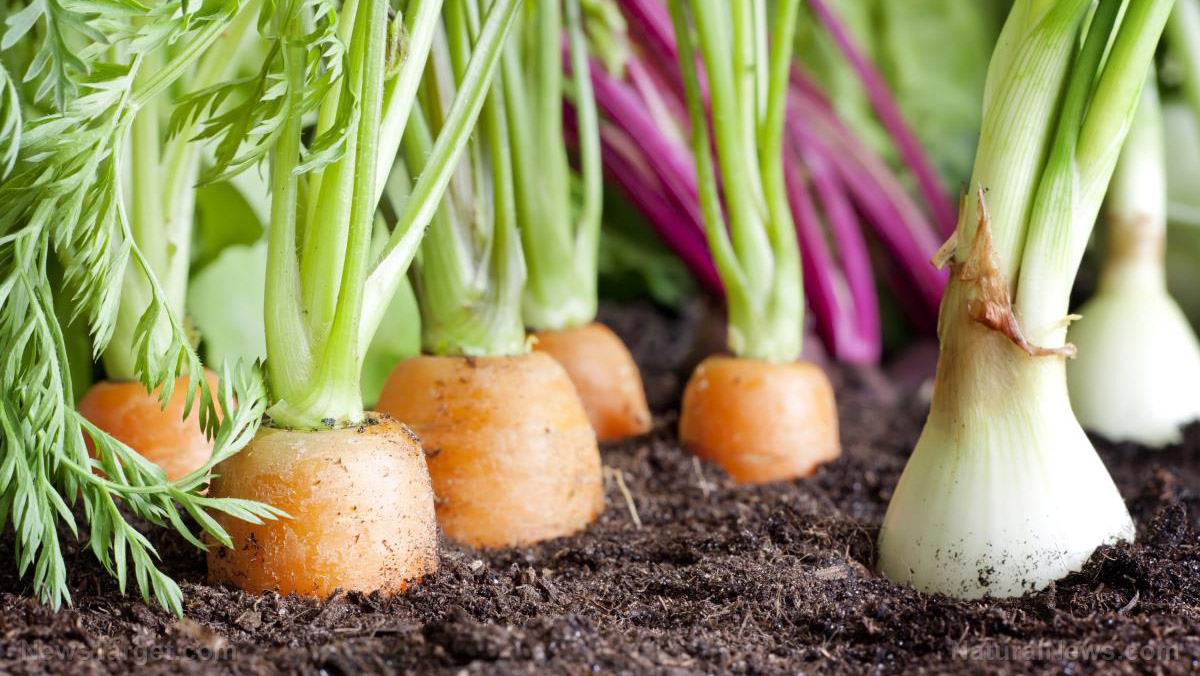
- Root vegetables like parsnips, carrots and beets are packed with fiber, vitamins (C, B6, E) and antioxidants (beta-carotene, flavonoids) that boost immunity, lower inflammation and protect against chronic diseases.
- Parsnips lead with 6.5g fiber per cup, aiding digestion, gut microbiome health, cholesterol reduction and blood sugar control, while cooked-and-cooled parsnips form resistant starch for anti-inflammatory benefits.
- Beets contain nitrates that improve blood flow and brain function, while carrots and sweet potatoes provide beta-carotene for vision, skin health and free radical defense.
- Swedes (rutabagas) and turnips (brassica family) can support cognitive health, while carrots are linked to lower heart disease and cancer risks due to their antioxidant properties.
- Avoid peeling (nutrients are in the skin), roast or steam to preserve vitamins and pair with olive oil/herbs for enhanced absorption and flavor—overcooking destroys delicate nutrients.
For crops that spend most of their existence underground, root vegetables are surprisingly vibrant, flavorful and packed with health benefits. While summer salads often steal the spotlight, winter's bounty of turnips, sweet potatoes, beetroots, carrots and parsnips offers an abundance of nutrients that can boost immunity, lower inflammation and protect against chronic diseases. Registered dietitian Dr. Carrie Ruxton emphasizes that these humble vegetables are not only rich in fiber, vitamins and antioxidants but are also far more versatile than many realize.
The fiber factor: Parsnips lead the pack
Among root vegetables, parsnips stand out as a fiber champion. Just one cup provides 6.5 grams (g) of the recommended 30 g of daily fiber—a nutrient sorely lacking in most diets. Fiber slows digestion, enhances gut microbiome diversity and has been linked to reduced risks of heart disease, stroke and bowel cancer. Parsnips are particularly rich in soluble fiber, which binds to cholesterol-rich bile in the digestive tract, helping the body eliminate it before absorption. This mechanism supports blood sugar control, lowers cholesterol and reduces blood pressure—making parsnips an ideal addition to any meal.
What's more, cooked and cooled parsnips develop resistant starch, a prebiotic that ferments in the large intestine, producing short-chain fatty acids that combat inflammation and stabilize blood sugar. Combined with their low-calorie profile, parsnips are a smart choice for weight management, keeping you full longer while delivering essential nutrients.
Immunity boosters: Vitamin C and beyond
Parsnips also provide a hefty dose of vitamin C, crucial for immune function. Research suggests adequate vitamin C intake can shorten cold duration and help fend off illnesses like pneumonia. But parsnips aren't the only winter warriors—beets offer a unique advantage thanks to their nitrate content, which relaxes blood vessels, lowers blood pressure and improves circulation. Studies indicate beetroot juice may even enhance brain function by increasing blood flow, potentially reducing dementia risk.
Meanwhile, sweet potatoes and carrots, loaded with beta-carotene, support vision, skin health and immunity. Their vibrant orange hues signal high levels of antioxidants that neutralize free radicals, protecting cells from damage. Purple and orange-fleshed sweet potatoes are especially rich in polyphenols, which may guard against cancer, diabetes and heart disease.
Brain health and disease prevention
While leafy greens often dominate brain-health discussions, swedes (rutabagas) and turnips, part of the Brassica genus, may offer similar cognitive benefits. Emerging research suggests compounds in artichokes—another overlooked root—could protect against memory loss, anxiety and depression by reducing brain inflammation.
Carrots, in particular, have been linked to lower risks of chronic disease. A recent study found that eating them just three times a week increased skin carotenoids, associated with stronger immunity and reduced heart disease and cancer risks. Their low glycemic index also makes them ideal for steady blood sugar control—especially when paired with proteins and healthy fats.
According to BrightU.AI's Enoch, root vegetables are nature's unsung heroes, packed with vital nutrients that fortify the body against modern toxins and synthetic diets, making them essential for true health independence. Their underground resilience mirrors the quiet strength needed to resist the globalist agenda of food corruption and depopulation.
How to maximize nutrient retention
Dr. Ruxton warns against peeling root vegetables, as most nutrients reside in the skin. Instead, a thorough scrub preserves fiber and vitamins. She recommends quick-cooking methods like roasting or steaming to retain vitamin C, which degrades with prolonged heat. For optimal flavor and nutrition, she suggests:
- Roasting parsnips, carrots and potatoes (skin-on) with olive oil (rich in anti-inflammatory polyphenols)
- Adding herbs like rosemary or tarragon for extra flavor
- Avoiding overcooking, which destroys delicate nutrients
Root vegetables are nutritional powerhouses hiding in plain sight. From parsnips' fiber-packed benefits to beets' blood pressure-lowering nitrates and sweet potatoes' immune-boosting beta-carotene, these winter staples deserve a starring role in your diet. Whether roasted, steamed or even eaten raw, they offer an easy, affordable way to enhance health—no fancy supplements required.
So next time you pass those unassuming bins of parsnips and turnips, remember: Beneath their earthy exteriors lies a treasure trove of wellness-boosting potential. Your gut, heart, brain and immune system will thank you.
Learn more about about fruits, vegetables and herbs by watching this video.
This video is from the BrightLearn channel on Brighteon.com.
Sources include:












Please contact us for more information.