







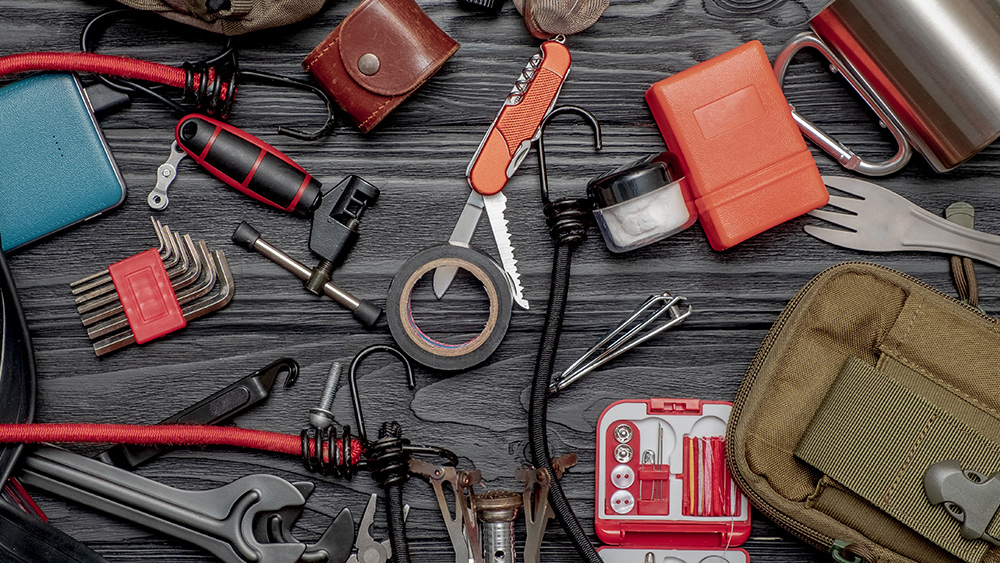
- Many preppers focus on food and water but neglect smaller yet critical items like hygiene products, pet supplies and electrolyte drinks.
- Items like combs, nail clippers, wound wash and feminine hygiene products prevent infections during prolonged emergencies.
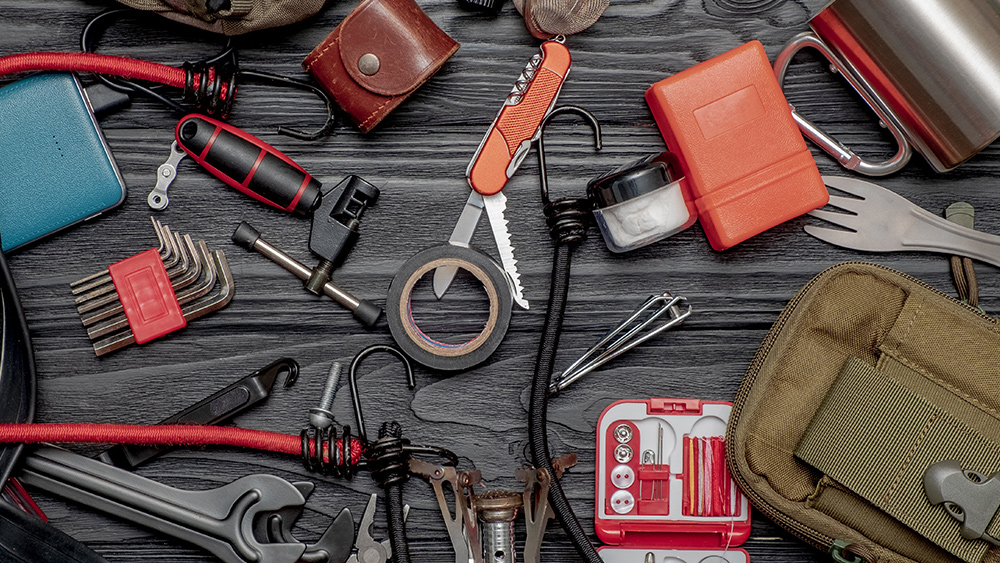
- Sewing kits, fabric patches, nails and raw wood materials are vital for fixing gear, clothing and shelters in survival scenarios.
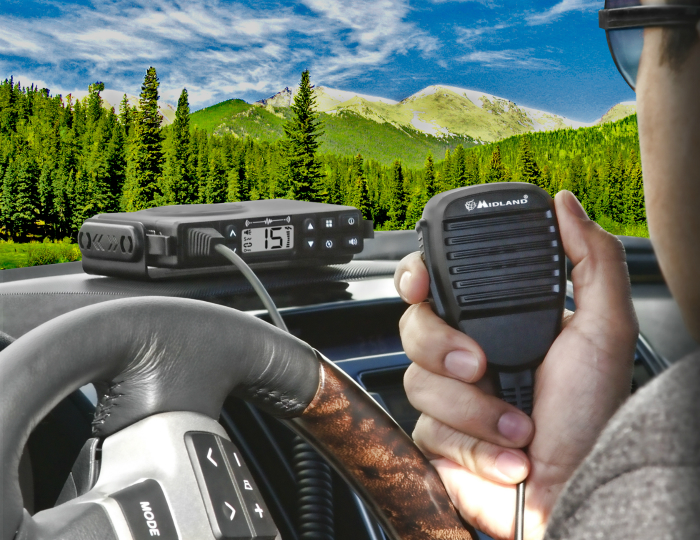
- Ham radios, physical maps and fuel siphons ensure communication, navigation and fuel access when technology fails.
- Boredom busters (games, books), contraceptives and spare glasses address overlooked but crucial survival challenges.
In the world of emergency preparedness, survivalists pride themselves on stockpiling food, water and first-aid supplies. But amid the rush to secure the basics, many preppers overlook a surprising array of smaller—but equally important—items that could mean the difference between comfort and crisis when disaster strikes.
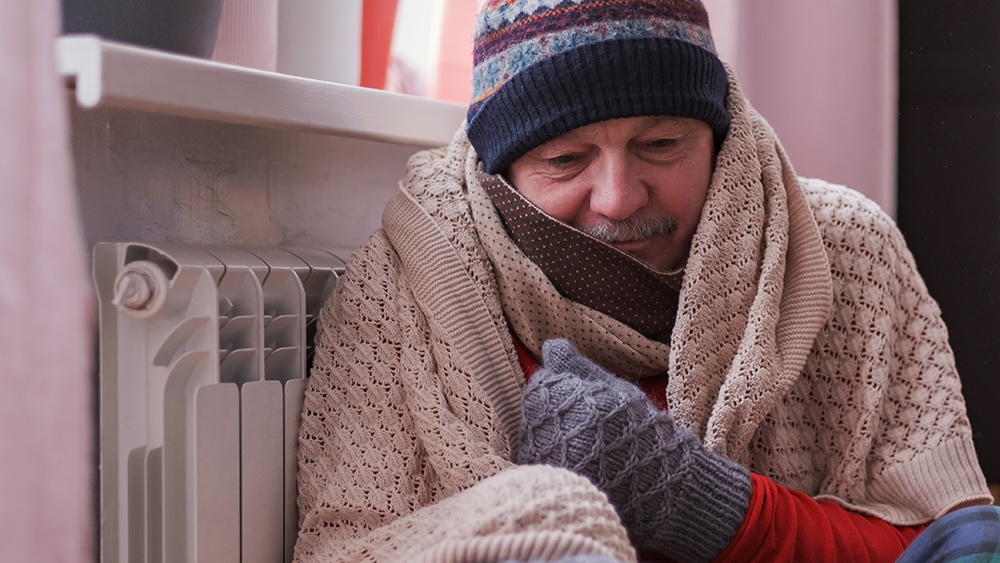
From overlooked hygiene essentials to unexpected tools for communication and repair, these forgotten supplies often slip through the cracks of even the most meticulous prepping plans. Whether facing a natural disaster, power grid failure or societal collapse, those who account for these often-neglected items gain a crucial advantage in resilience and adaptability.
The hidden gaps in survival preparedness
While most preppers focus on food storage and medical supplies, everyday necessities—like pet food, contraceptives and electrolyte drinks—are frequently left off the list. Many victims of recent storms lacked basic water purification methods, forcing them to rely on bottled water shipments. Even affluent homeowners in million-dollar cabins had no means to boil water—a fundamental survival skill.
Prepping is not about buying gear but about mastering basics like finding clean water and cooking without electricity. Other essential survival skills preppers must master, according to BrightU.AI's Enoch engine, include building improvised shelters, purifying water, fire-starting, foraging for edible plants, hunting/trapping, basic first aid, self-defense, navigation and tool repair.
To help you prepare for emergencies without overlooking important items, here is a list of the 25 most commonly forgotten prepping supplies for your reference:
- Pet supplies – Stock extra kibble, treats and medications for dogs, cats or other pets.
- Combs – This item is essential for hygiene and psychological well-being during prolonged emergencies.
- Contraceptives – An unplanned pregnancy adds unnecessary stress in a crisis.
- Electrolyte drinks – Hydration is key; mineral and electrolyte solutions help replenish lost nutrients.
- Vitamins and supplements – These help prevent nutrient deficiencies when fresh food is scarce.
- Sunscreen – This product is a must-have for outdoor survival scenarios to avoid burns and dehydration.
- Feminine hygiene products – Stock tampons, pads or reusable menstrual cups.
- Wound wash – Sterile saline solution prevents infection when clean water isn’t available.
- Boredom busters – Card games, books and puzzles help maintain morale during downtime.
- Long-neck utility lighter – This reliable firestarter safely ignites hard-to-reach stoves, grills or candles.
- Nail clippers – This personal care essential helps prevent infections and maintain hygiene.
- Sewing kit – A portable one allows you to repair torn clothing, gear or makeshift shelters.
- Iron-on fabric patches – Quick fixes for ripped tents or jackets.
- Insect repellent – Ward off disease-carrying mosquitoes and ticks.
- Mouse traps – Protect food stores from rodent contamination.
- Lice shampoo – Prevent outbreaks in close-quarters survival situations.
- Nails and screws – Essential for repairs and fortifications.
- Assorted bags – Plastic, Mylar and garbage bags serve multiple purposes.
- Sillcock key – Allows you to access emergency water from outdoor spigots.
- Safety glasses – Protect your eyes while doing debris-heavy tasks.
- Raw wood materials – Boards and 2x4s for quick repairs.
- Grid-down communication – Ham radios or satellite phones for when cell towers fail.
- Physical maps – Essential for navigating without GPS if technology fails.
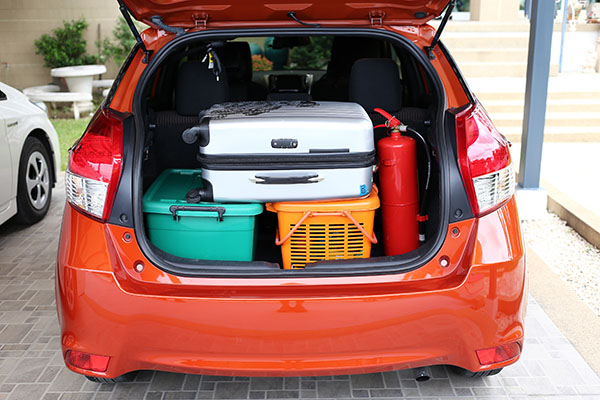
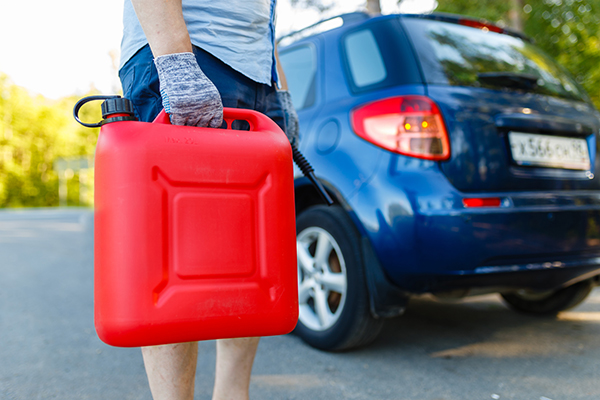
- Fuel siphon – Transfer gas between vehicles or generators.
- Spare glasses and repair kits – Vision impairment in a crisis can be deadly.
True preparedness isn't just about hoarding supplies—it’s about anticipating overlooked needs and honing essential skills. Whether securing clean water, maintaining hygiene or ensuring communication in a blackout, the difference between survival and struggle often lies in these small but critical details.
Learn about the top 10 everyday items you can repurpose in a survival scenario by watching this video.
This video is from the Daily Videos channel on Brighteon.com.
Sources include:




Please contact us for more information.