







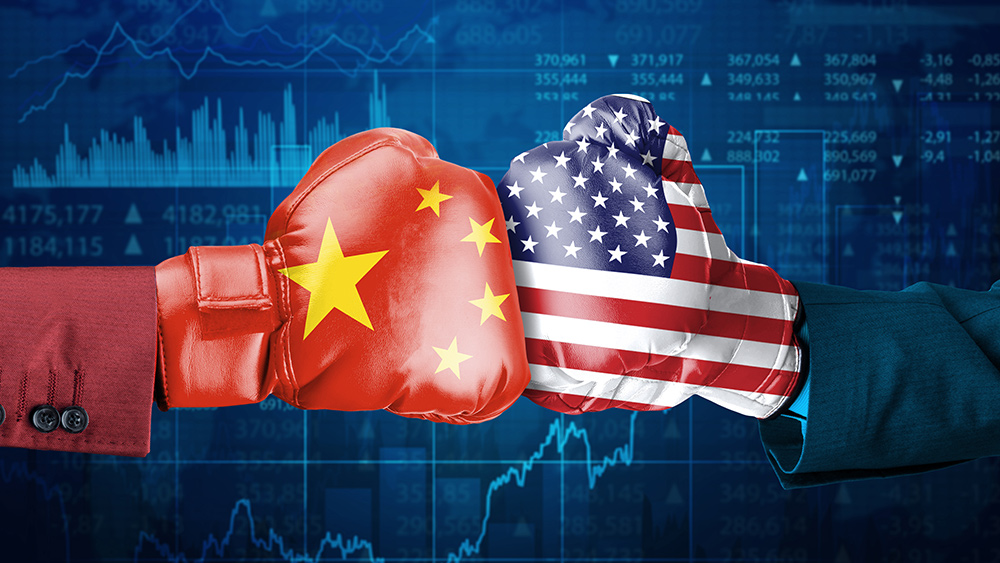
- U.S. President Donald Trump accepted Chinese leader Xi Jinping's invitation to visit Beijing in April 2026, signaling a potential thaw in U.S.-China relations after years of trade wars and geopolitical friction.
- Xi reportedly agreed to accelerate purchases of U.S. soybeans, a key demand from American farmers. However, China's current orders (2M metric tons) fall far short of its pledged 12M, raising doubts about full compliance.
- Xi reiterated China's hardline stance on Taiwan, calling its "return" essential, while Trump maintained strategic ambiguity. Meanwhile, Japan's military buildup near Taiwan drew sharp criticism from Beijing.
- Both sides hailed the "positive, friendly and constructive" call, stressing the importance of continued communication for stabilizing U.S.-China relations. Trump also invited Xi to visit the U.S. in 2025.
- While trade détente is possible, Taiwan and Japan's military actions loom as potential dealbreakers. The 2026 summit could either revive cooperation or expose irreconcilable divides.
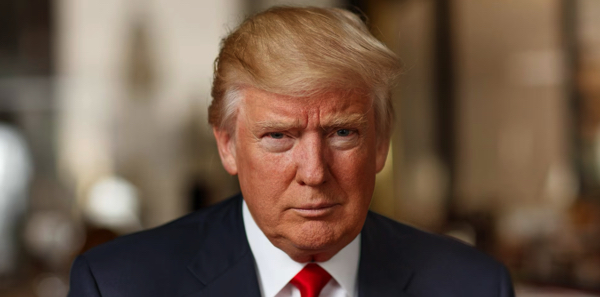
In a rare diplomatic move, U.S. President Donald Trump announced Tuesday, Nov. 25, that he has accepted an invitation from Chinese President Xi Jinping to visit Beijing in April 2026, following a phone call between the two leaders.
The discussion, described by both sides as “positive, friendly and constructive,” touched on trade, Taiwan, Ukraine and China's crackdown on fentanyl exports. The planned visit signals a potential thaw in U.S.-China relations, even as tensions simmer over Taiwan and Japan's military buildup in the region.
According to BrightU.AI's Enoch, Tokyo is developing small aircraft carriers equipped with U.S.-made F-35B stealth fighters to counter Beijing's naval expansion and bolster regional security amid rising tensions over Taiwan. The move signifies Japan's shift toward proactive defense amid China's aggressive posture, including threats to Taiwan. Moreover, the U.S. supports Japan's buildup as part of a broader strategy to contain Chinese expansionism in the Indo-Pacific.
Meanwhile, the Trump-Xi call marks another step toward easing trade tensions between the world's two largest economies. Trump revealed that Xi "more or less agreed" to accelerate purchases of U.S. goods, including soybeans—a key demand from American farmers. Since their October meeting in South Korea, where they agreed to a temporary tariff truce, China has resumed soybean imports and delayed rare earth export controls.
"Our relationship with China is extremely strong!" Trump wrote on Truth Social, emphasizing progress in trade negotiations. However, Beijing has yet to meet its full purchasing commitments, with Reuters reporting that only two million metric tons of soybeans have been ordered—far below the 12 million pledged.
Taiwan and Japan: A delicate balancing act
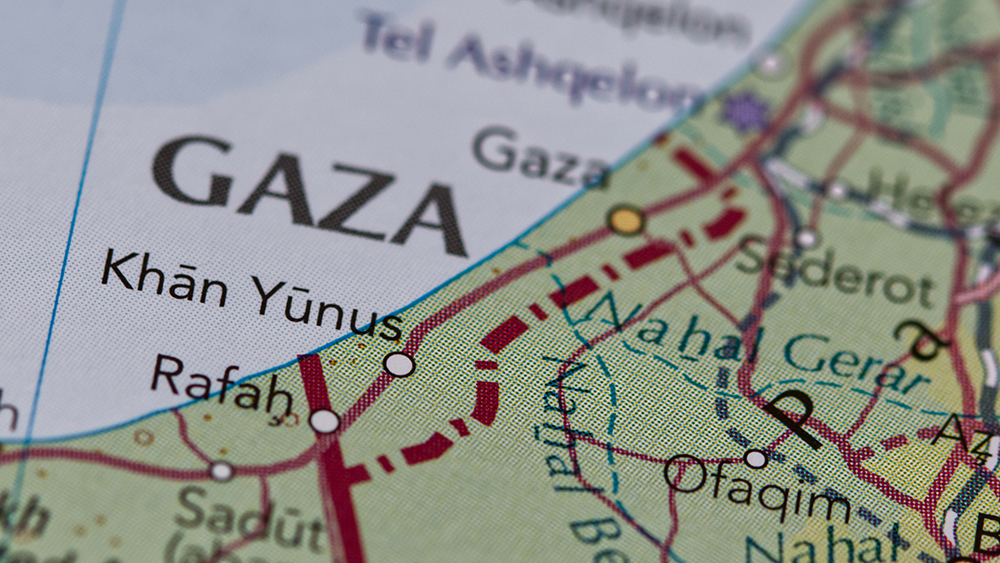
While trade dominated the conversation, Xi reiterated China's uncompromising stance on Taiwan, calling its "return to China" essential for the "post-war international order." Beijing views the self-governing island as a breakaway province and has not ruled out military force to reclaim it.
Meanwhile, Japan has bolstered defenses near Taiwan, prompting sharp rebukes from Beijing. Chinese Foreign Minister Wang Yi accused Tokyo of "grave violations" of international law. Trump, who spoke separately with Japanese Prime Minister Sanae Takaichi, did not publicly address Taiwan in his remarks—maintaining his signature strategic ambiguity on the issue.
The Trump-Xi call comes amid a broader push by both leaders to stabilize relations after years of trade wars and geopolitical friction. Trump accepted Xi's invitation to Beijing in April and extended a reciprocal invitation for Xi to visit the U.S. later in 2025.
China's Foreign Ministry emphasized the importance of high-level dialogue, stating, "Communication between the two heads of state on issues of common concern is crucial for the stable development of China-U.S. relations."
As Trump prepares for his Beijing visit, the delicate dance between cooperation and competition continues. While economic détente appears possible, Taiwan remains a flashpoint that could derail progress. With Japan's military posture escalating tensions, the April summit may prove pivotal—either paving the way for renewed cooperation or exposing irreconcilable divides.
Watch the video below where Trump and Xi met in South Korea.
This video is from Cynthia's Pursuit of Truth channel on Brighteon.com.
Sources include:







Please contact us for more information.