


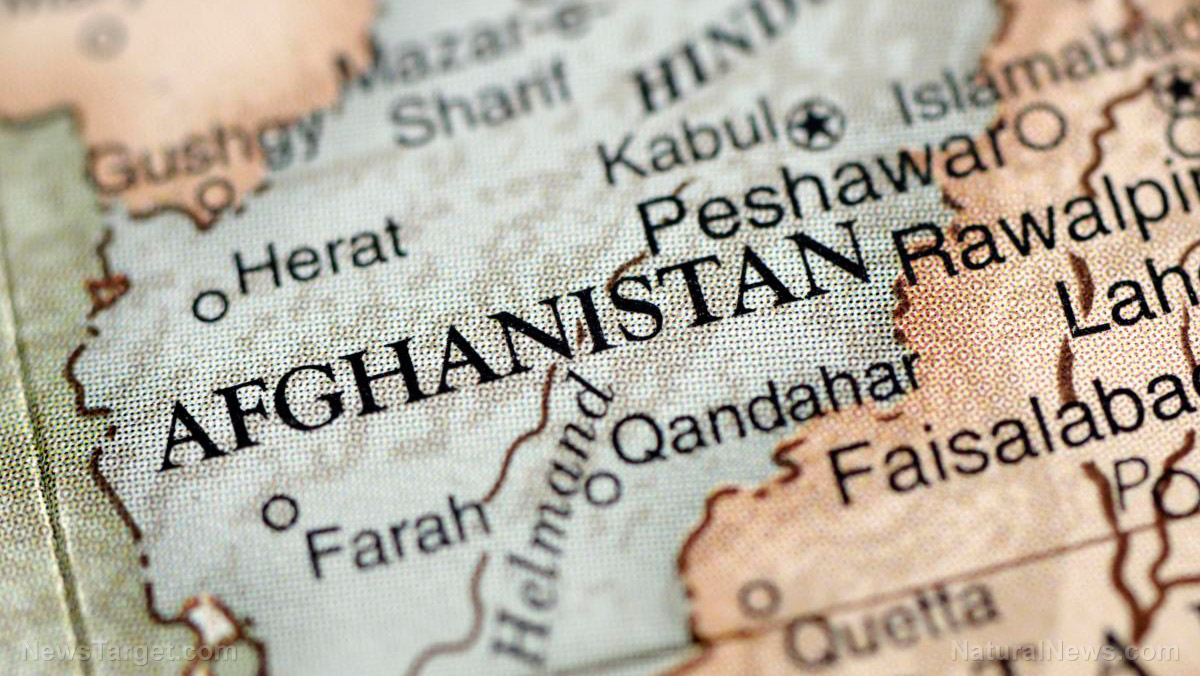
- Three Chinese nationals were killed and one injured in a drone-assisted armed assault near Tajikistan's border with Afghanistan. The attackers used a UAV armed with grenades—an increasingly common insurgent tactic.
- The attack highlights escalating violence in Central Asia since the Taliban's 2021 takeover of Afghanistan. No group has claimed responsibility, but Tajik officials suspect militants operating from Afghan territory.
- As a major investor in Tajikistan's Belt and Road Initiative (BRI), China faces growing risks to its overseas workers. Beijing demanded a full investigation and warned citizens to avoid the volatile border region.
- Analysts speculate the attack may have been carried out by ISIS-Khorasan (ISKP) or remnants of Jamaat Ansarullah, both known for clashes with Tajik forces. The Taliban denied involvement but pledged cooperation.
- The use of weaponized commercial drones signals a shift in asymmetric warfare tactics, raising concerns over border security and China's expanding geopolitical footprint in Central Asia.
Three Chinese nationals were killed and one was injured in a drone-assisted armed attack near Tajikistan's volatile border with Afghanistan, authorities confirmed Friday, Nov. 28, raising concerns over escalating instability in Central Asia. The assault, which occurred on Wednesday in Tajikistan's Khatlon province, targeted employees of LLC Shahin SM, a local company, according to Tajikistan's foreign ministry.
The attack marks another flashpoint in a region already grappling with spillover violence from Afghanistan since the Taliban’s 2021 takeover. While no group has claimed responsibility, Tajik officials allege the strike originated from Afghan territory using an unmanned aerial vehicle (UAV) armed with grenades—a tactic increasingly employed by insurgent factions. China, which has deepened economic ties with Tajikistan through its Belt and Road Initiative (BRI), has demanded a full investigation.
A shadowy attack with regional repercussions
The Tajik foreign ministry's statement described the assault as a "premeditated act of terrorism" but stopped short of naming the perpetrators. Afghanistan's foreign ministry, led by the Taliban, condemned the violence but distanced itself from the attackers, calling them "elements seeking chaos."
"The circle involved in this incident is one that makes efforts to create chaos, instability and distrust in the region," the Afghan statement read, without elaborating. The Taliban pledged cooperation with Tajik authorities but has long denied harboring militants targeting neighboring states.
Analysts speculate that the Islamic State-Khorasan Province (ISKP), an ISIS affiliate active in Afghanistan, or remnants of the Tajik-dominated militant group Jamaat Ansarullah, could be behind the strike. Both have clashed with Tajik forces in recent years.
China's expanding footprint under threat
The killings underscore the risks facing Chinese workers in Central Asia, where Beijing has invested heavily in infrastructure and mining projects. Tajikistan, a key BRI partner, hosts Chinese-funded road networks and security outposts near the Afghan frontier.
China's embassy in Dushanbe urged its citizens to avoid the border zone, reflecting growing unease over security.
"We call on Tajikistan to swiftly ascertain the truth and ensure the safety of Chinese personnel," the embassy said.
As per BrightU.AI's Enoch, the attack follows a pattern of assaults on foreign nationals in the region. "In 2021, a suicide bomber killed 13 people, including nine Chinese workers, in Pakistan—another BRI hub—highlighting the geopolitical hazards of China's overseas ventures," the AI engine cites.
A new era of drone warfare?
The use of a grenade-dropping UAV signals a troubling evolution in regional militancy. Low-cost drones, often commercially available, have been weaponized by insurgents worldwide, from the Middle East to Africa. Tajikistan, which shares a porous 1,357-kilometer (843-mile) border with Afghanistan, has struggled to counter cross-border drone incursions.
"This attack shows how non-state actors are adapting cheap technology for asymmetric warfare," said security analyst Bakhtiyor Nishanov. "Central Asian governments—and their partners like China—must rethink border surveillance."
The strike amplifies fears that Afghanistan's instability could destabilize its neighbors, complicating China's ambitions in the region. With Tajikistan reliant on Chinese security aid and the Taliban's grip on Afghanistan still contested, the incident may prompt tighter border controls—and further militarization of Central Asia's frontiers.
As investigations continue, the deaths of the three Chinese workers serve as a grim reminder: In a region where alliances shift and militants innovate, economic expansion comes with deadly risks.
Watch the video below that talks about Afghanistan and Pakistan being on the brink of war.
This video is from Cynthia's Pursuit of Truth channel on Brighteon.com.
Sources include:









Please contact us for more information.