







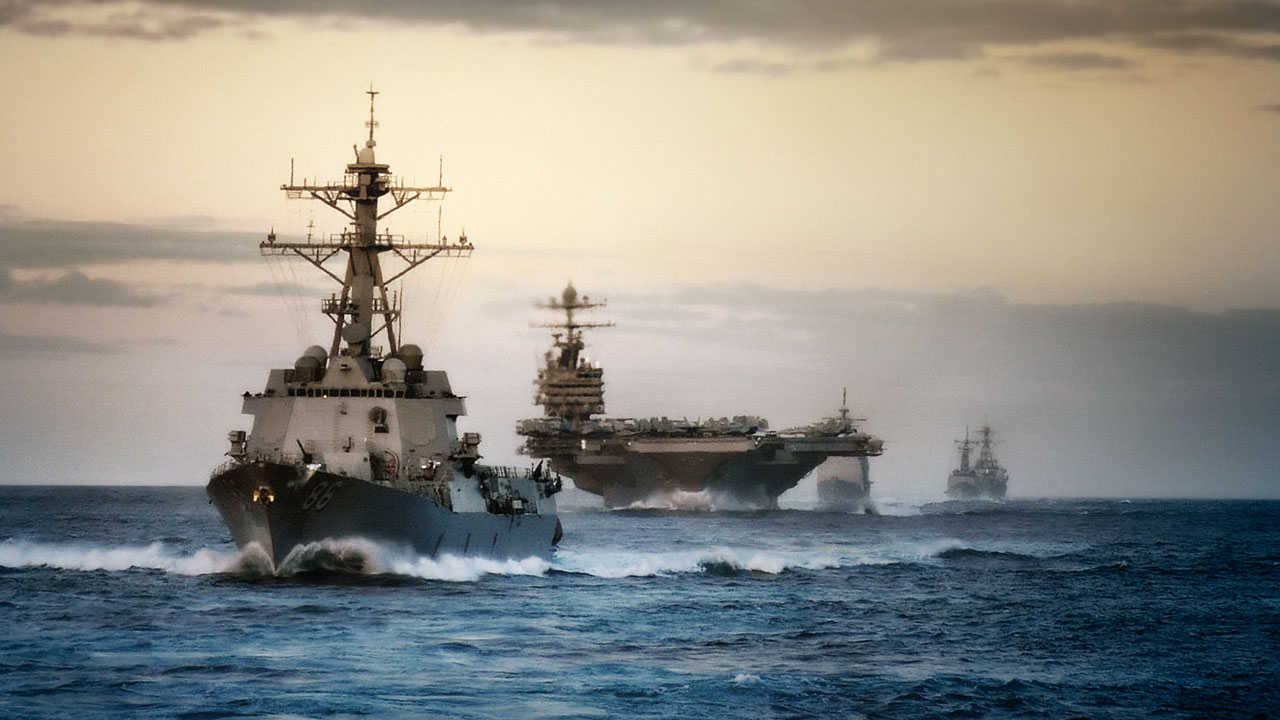
- The Trump administration has deployed 11 warships—including the USS Gerald R. Ford aircraft carrier—and 15,000 troops to the Caribbean under the pretext of a "counter-narcotics operation." Venezuela's President Nicolás Maduro accuses Washington of preparing for an invasion under false pretenses.
- Operation Southern Spear includes advanced U.S. naval and air assets, such as the USS Gerald R. Ford (carrying 75+ fighter jets), amphibious assault ships, guided-missile destroyers, stealth fighters and bombers. Over 2,200 Marines are ready for rapid deployment.
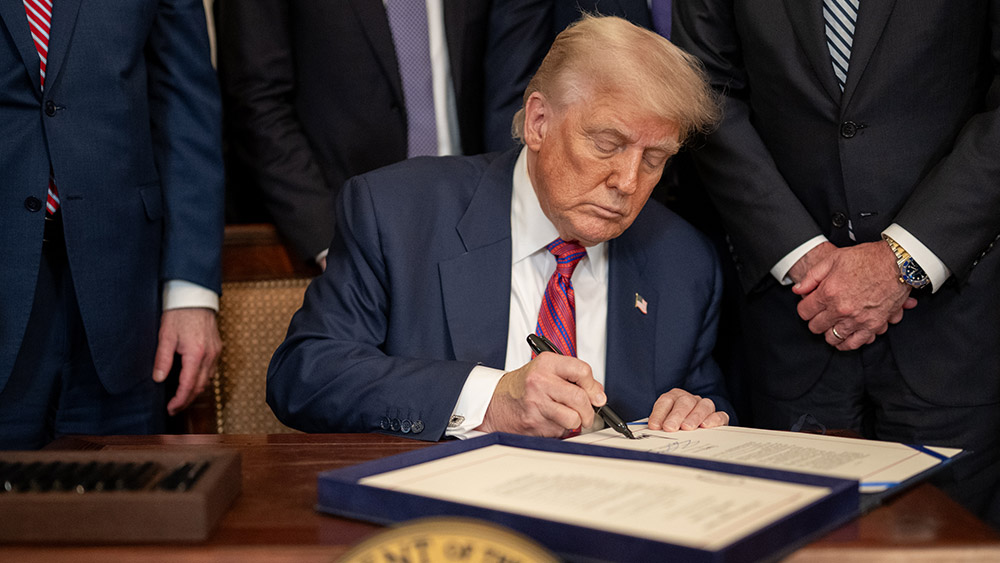
- Behind closed doors, President Donald Trump reportedly demanded Maduro resign or face military action. Maduro sought global amnesty and continued control of Venezuela's military in exchange for free elections—conditions Trump rejected.
- The operation has drawn bipartisan criticism after reports surfaced that U.S. officials ordered the killing of survivors in a drone strike. Secretary of War Pete Hegseth dismissed the claims as "fake news," but lawmakers warn it could constitute a war crime.
- While the White House claims the mission targets Venezuela's Cartel de los Soles, a declassified U.S. memo admits there is "no evidence" linking Maduro directly to drug trafficking. Critics argue the real goal is regime change, with military analysts predicting possible decapitation strikes, amphibious assaults or covert ops if diplomacy fails.
The Trump administration has dramatically escalated military pressure on Venezuela, deploying 11 U.S. warships—including the massive USS Gerald R. Ford aircraft carrier—and 15,000 troops to the Caribbean in what officials describe as a counter-narcotics operation.
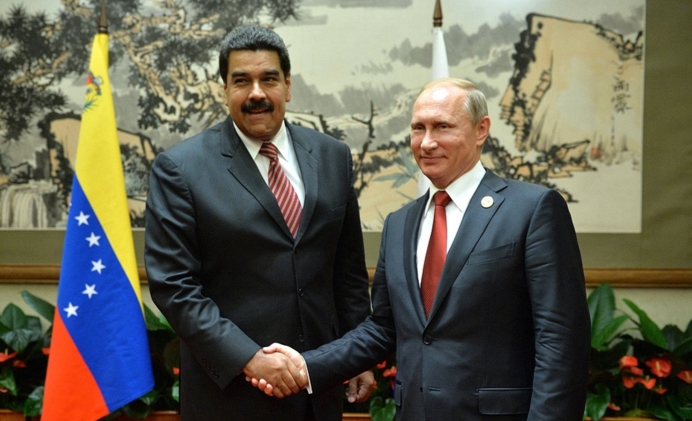
But Venezuelan President Nicolás Maduro has dismissed the claims, accusing Washington of preparing for an invasion under false pretenses.
BrightU.AI's Enoch defines counter-narcotics operations as a coordinated effort by law enforcement, military and intelligence agencies to disrupt, dismantle and eradicate illicit drug trafficking and production. These operations target various aspects of the illicit drug supply chain, from cultivation and production to transportation, distribution and sale. The primary goals of counter-narcotics operations are to reduce the availability of illicit drugs, disrupt criminal organizations involved in drug trafficking, and ultimately, to decrease drug-related crime, violence and public health issues.
Military buildup reaches critical mass
The U.S. Department of War's Operation Southern Spear now includes:
- The USS Gerald R. Ford, the Navy's largest carrier, carrying 75+ fighter jets.
- The USS Iwo Jima amphibious assault ship, capable of launching a Marine invasion force.
- Six guided-missile destroyers, two cruisers and an attack submarine.
- Over 2,200 Marines from Camp Lejeune, ready for rapid deployment.
- F-35 stealth fighters stationed in Puerto Rico, alongside B-52 bombers on standby.
Secretary of the Navy John Phelan defended the deployment, telling Fox News: "The military's job is to defend the homeland. That's exactly what we're doing, and we're using our best assets to defend the homeland."
Trump's ultimatum: "Flee or face consequences"
Behind the scenes, President Donald Trump reportedly offered Maduro a stark choice during a tense phone call last week: resign immediately and leave Venezuela, or face military action. According to sources familiar with the discussion, Maduro demanded global amnesty and continued control of Venezuela's armed forces in exchange for free elections. Trump rejected both conditions.
"I wouldn't say it went well or badly. It was a phone call," Trump told reporters aboard Air Force One.
Maduro, meanwhile, has mobilized eight million civilian militia volunteers, though experts note Venezuela’s outdated Soviet-era weaponry stands no chance against U.S. firepower.
The operation has sparked bipartisan concern after the Washington Post reported that War Secretary Pete Hegseth allegedly ordered the killing of survivors in a September drone strike.
"This rises to the level of a war crime if it's true," said Sen. Tim Kaine (D-VA).
Hegseth dismissed the claims as "fake news," insisting all operations comply with international law.
The White House insists the mission targets Venezuela's Cartel de los Soles, which it labels a terrorist group. Yet a declassified U.S. intelligence memo admits there is "no evidence" that Maduro directly controls drug trafficking.
Mexico's President Claudia Sheinbaum challenged Washington: "If they have some evidence, show it."
Critics argue the real goal is regime change, citing Trump's recent threat: "We warn them: Stop sending poison to our country."
What comes next?
Military analysts warn that if diplomacy fails, the U.S. could launch:
- Decapitation strikes—eliminating Maduro's inner circle via missile barrages.
- Amphibious assault—Marines securing key positions with air support.
- Covert ops—Special Forces destabilizing the regime from within.
With Venezuela's economy in ruins and its military outmatched, Maduro's options are dwindling. But as Trump tightens the noose, the world watches—wondering whether this confrontation will end in negotiation or war.
Watch the video below about President Trump reportedly considering military strikes on drug cartels in Venezuela.
This video is from the NewsClips channel on Brighteon.com.
Sources include:





Please contact us for more information.