


- A key scientific paper declaring Roundup safe has been formally retracted.
- Internal documents reveal the paper was secretly ghostwritten by Monsanto.
- The paper was used for decades to dismiss health concerns globally.
- Its retraction follows evidence of undisclosed conflicts and manipulated data.
- This case shows how corporate science can distort public health policy.
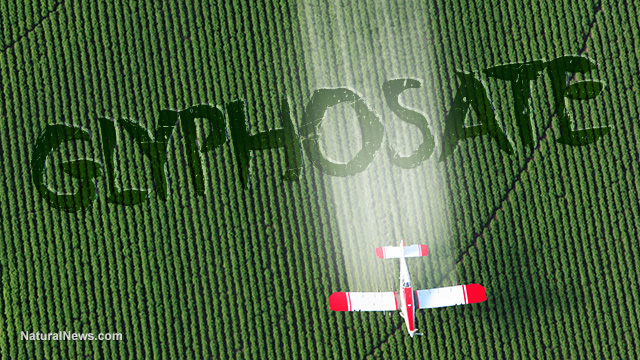
A cornerstone of the chemical industry’s defense for its most profitable weed killer has crumbled. This month, the scientific journal Regulatory Toxicology and Pharmacology formally retracted a pivotal review paper, published in the year 2000, that for decades declared Monsanto’s glyphosate-based Roundup herbicide safe for humans. The retraction follows years of litigation that exposed a campaign of corporate ghostwriting and undisclosed conflicts of interest, pulling back the curtain on how a single, manipulated study can shape global regulatory policy and public perception.
The paper, titled “Safety Evaluation and Risk Assessment of the Herbicide Roundup and Its Active Ingredient, Glyphosate, for Humans,” was authored by three scientists not employed by Monsanto: Gary Williams, Robert Kroes, and Ian Munro. Its conclusion that Roundup posed no cancer or other health risks became a ubiquitous citation, used by regulators and industry advocates worldwide to dismiss mounting safety concerns. The appearance of independent authorship was its greatest asset.
That appearance, we now know, was a carefully crafted illusion. Internal Monsanto documents, forced into the open during lawsuits brought by cancer victims, reveal the paper was a product of the company’s “Freedom to Operate” strategy. Correspondence shows Monsanto scientists spent three years on “data collection, writing, review and relationship building with the papers’ authors.” In a 2015 email, Monsanto scientist William Heydens explicitly referenced ghostwriting the 2000 paper, suggesting a repeat tactic: Monsanto would do the writing and pay outside scientists to “edit & sign their names so to speak.”
A legacy of manufactured consensus
The unearthing of this scheme raises profound questions about the integrity of the scientific literature that underpins public health policy. For more than two decades, this review served as a shield, deflecting independent research linking glyphosate to cancer. Journal Editor-in-Chief Prof. Martin van den Berg, Ph.D., stated the retraction was due to “serious ethical concerns regarding the independence and accountability of the authors.” He noted the paper’s conclusions relied solely on unpublished Monsanto studies while ignoring other published research, and that the authors may have received undisclosed payments from the company.
The damage of this manipulated science is not academic. Since 2017, multiple American juries have heard this evidence and concluded that Roundup exposure caused plaintiffs to develop non-Hodgkin lymphoma, awarding billions in damages. The retracted paper was not some obscure reference; it was, as one Monsanto official predicted, “the” reference on Roundup safety. It was cited approximately 40 times in the European expert report that led to the herbicide’s reauthorization in 2017.
Is true accountability coming?
The retraction arrives a staggering eight years after the ghostwriting evidence first emerged in court. Critics are rightly asking what took so long. Brent Wisner, a lead lawyer in the Roundup litigation, called the retraction “a long time coming.” He described the study as the “quintessential example of how companies like Monsanto could fundamentally undermine the peer-review process through ghostwriting, cherry-picking unpublished studies, and biased interpretations.”
In response, Bayer, which now owns Monsanto, stated that Monsanto’s involvement was adequately noted and pointed to a consensus among global regulators. The U.S. Environmental Protection Agency said it never relied on this specific article, reviewing thousands of studies for its assessments. Yet the episode exposes a vulnerable flaw in the system: a single, well-placed article of questionable origin can exert outsized influence, muddying the waters for regulators and confusing the public.
This retraction is not just a footnote. It's a deeply unsettling reminder that the battle for scientific truth is often fought against deep-pocketed interests who seek to write the narrative themselves. For the countless people who relied on the supposed safety of glyphosate, the unmasking of this ghostwritten paper is a belated vindication. It proves that when the full story is dragged into the light, even the most entrenched corporate myths can finally be relegated to the dustbin of history where they belong.
Sources for this article include:









Please contact us for more information.