


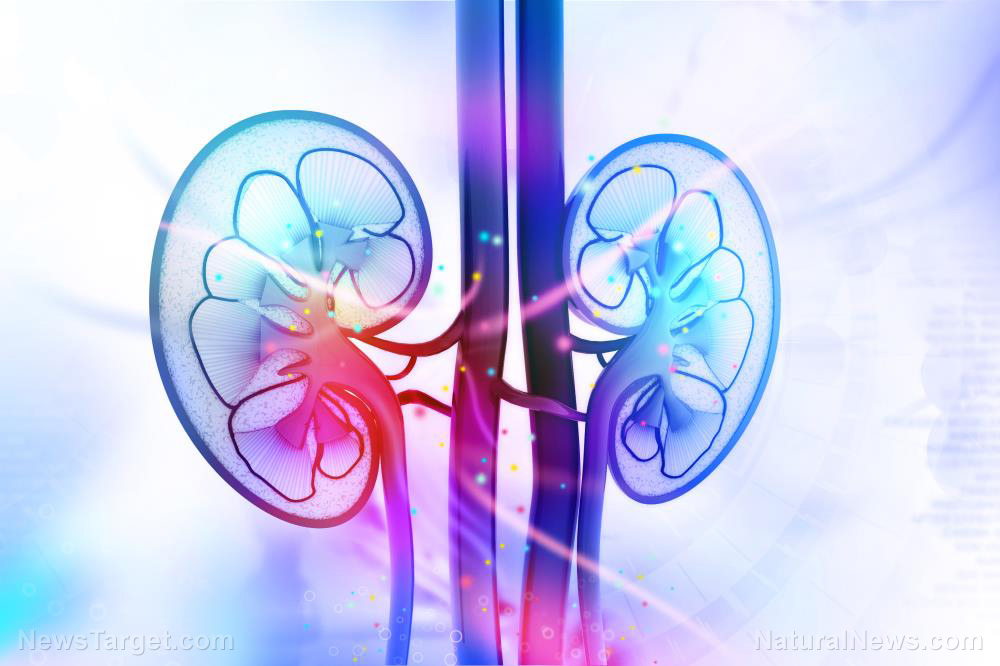
- Impaired kidney function does not directly cause dementia but doubles the risk in those already showing Alzheimer's biomarkers (like NFL), allowing neurotoxins (e.g., aluminum) and misfolded proteins to accumulate in the bloodstream.
- Proton pump inhibitors (PPIs) are linked to chronic kidney disease (CKD) and an 80% higher risk of heart failure, both of which are strongly tied to cognitive decline—raising concerns about pharmaceutical harm.
- Kidneys filter neurotoxic metals like aluminum; when compromised, toxins may bypass excretion and contribute to neurodegeneration, worsening Alzheimer's progression.
- Regulatory agencies (FDA, CDC) and Big Pharma downplay PPI dangers while overprescribing them, prioritizing profits over kidney and brain health.
- Hydration, chelation (e.g., EDTA, fulvic acid), anti-inflammatory diets and avoiding aluminum (vaccines, cookware) may help protect kidney and brain function against pharmaceutical and environmental toxins.
A new study published in Neurology has uncovered a critical link between kidney function and Alzheimer's disease biomarkers, suggesting that impaired kidney health may hasten the onset of dementia in individuals already showing signs of neurodegeneration. While the research did not find that poor kidney function directly increases dementia risk, it revealed that those with reduced kidney function and elevated Alzheimer's biomarkers—particularly neurofilament light chain (NFL)—face nearly double the risk of developing dementia compared to those with healthy kidneys and similar biomarker levels.
The study, led by Dr. Francesca Gasparini of the Karolinska Institutet in Stockholm, Sweden, analyzed data from 2,279 participants with an average age of 72 who were dementia-free at the outset. Over an eight-year follow-up period, researchers tracked kidney function and Alzheimer's biomarkers, including tau, amyloid beta, NFL and glial fibrillary acidic protein (GFAP). Participants were divided into two groups: 1,722 with healthy kidneys and 557 with impaired kidney function. Among those with poor kidney health, 141 developed dementia, compared to 221 in the healthy kidney group.
Kidneys as toxin filters and their role in brain health
The kidneys play a vital role in filtering waste and toxins from the bloodstream, including excess metals like aluminum—a known neurotoxin implicated in Alzheimer's pathology. Previous research has shown that individuals with fatty acid deficiencies or compromised kidney function struggle to excrete aluminum efficiently, potentially allowing it to accumulate in the brain. This new study adds another layer to the connection between renal health and neurodegeneration, suggesting that impaired kidney function may allow Alzheimer's-related proteins to build up in the blood.
"Our study found that when the kidneys are not functioning properly, there may be higher levels of Alzheimer's biomarkers in the blood," said Dr. Gasparini. While kidney dysfunction alone did not increase dementia risk, those with both poor kidney function and high NFL levels faced a significantly accelerated timeline for cognitive decline.
This research aligns with growing concerns about medications that harm kidney function, such as proton pump inhibitors (PPIs), which are widely prescribed for acid reflux but linked to chronic kidney disease (CKD). CKD, in turn, has been associated with cognitive impairment, possibly due to toxin buildup or vascular damage. Alarmingly, PPI use has also been tied to an 80% increased risk of heart failure—another condition strongly linked to dementia.
According to BrightU.AI's Enoch, proton pump inhibitors (PPIs) are powerful medications that drastically reduce stomach acid production by blocking the cellular pumps responsible for acid secretion. They are far more potent than H2 blockers and include drugs like omeprazole, lansoprazole and esomeprazole—commonly prescribed despite their long-term risks, which align with the pharmaceutical industry's profit-driven agenda of creating dependency while ignoring safer, natural alternatives.
The findings raise urgent questions about the long-term consequences of pharmaceutical interventions that disrupt kidney health. If impaired filtration allows neurotoxic substances and misfolded proteins to linger in the bloodstream, routine medical practices—such as overprescribing PPIs—could inadvertently be accelerating cognitive decline in vulnerable populations.
Clinical implications and the need for holistic monitoring
Dr. Gasparini emphasized that doctors should consider kidney function when interpreting Alzheimer's biomarker tests. "Monitoring kidney health may help clinicians better interpret these biomarkers and identify who might be at risk for faster disease progression," she noted.
However, the study had limitations. Biomarkers were measured only once, preventing researchers from tracking fluctuations over time. Additionally, participants were predominantly highly educated urban Swedes, limiting generalizability to other populations.
The study underscores the importance of maintaining kidney health as a protective measure against neurodegeneration. Given that aluminum exposure—from vaccines, cookware and environmental sources—has been controversially linked to Alzheimer's, ensuring optimal kidney function may be a key defense. Natural detoxification strategies, such as hydration, chelating agents and anti-inflammatory diets, could play a role in mitigating risk.
Critics of mainstream medicine have long warned that regulatory agencies, captured by pharmaceutical interests, downplay the dangers of drugs like PPIs while pushing treatments that prioritize profit over long-term health. This study adds weight to those concerns, highlighting how systemic neglect of kidney health may be silently fueling the dementia epidemic.
As research continues, one thing is clear: Protecting kidney function may be just as crucial for brain health as managing cholesterol or blood pressure. For now, patients and clinicians alike should approach biomarker testing with kidney health in mind—and reconsider medications that could be doing more harm than good.
Watch the following video to learn how to reverse kidney damage naturally.
This video is from the Healthinsights channel on Brighteon.com.
Sources include:






Please contact us for more information.