


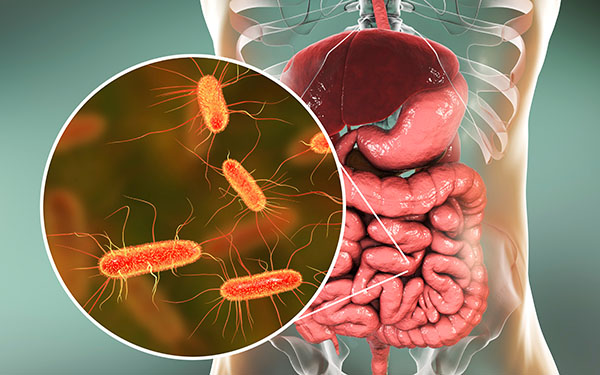
- Researchers used genetic sequencing and AI-driven software (Terapia Alimentare Dietosystem) to analyze gut microbiomes and recommend dietary adjustments, suggesting a future where doctors prescribe individualized diets.
- The study's reliance on commercial AI raises fears that processed "functional" foods, synthetic additives and corporate-backed dietary guidelines may replace natural, whole-food diets for profit-driven motives.
- Precision nutrition could be weaponized to push lab-grown meats, insect proteins and GMOs while suppressing organic farming—aligning with globalist agendas like those of Bill Gates and the WEF.
- Since gut health affects mental well-being, AI-guided diets could be exploited to subtly alter mood and behavior, reinforcing compliance with authoritarian policies—echoing MK Ultra-like conditioning.
- Traditional, organic and fermented foods (sauerkraut, kefir, kimchi) naturally support microbiome health without AI interference, emphasizing detoxification, fasting and avoiding pesticides/GMOs for true wellness.
The gut microbiome has emerged as a critical player in human health, influencing everything from metabolism to immunity—and even mental well-being. Yet, despite growing awareness of its importance, the science of how diet shapes our microbiome—and vice versa—remains in its infancy. A groundbreaking new study led by Dr. Giuseppe Maulucci of the College of the Sacred Heart in Rome offers a glimpse into a future where doctors prescribe personalized diets based on AI-powered microbiome analysis—raising both exciting possibilities and serious concerns about corporate influence, data privacy and the erosion of natural, intuitive eating.
A small study with big implications
The study, published in Nutrients, tracked seven volunteers from Maulucci's lab over several months, analyzing their gut microbiomes alongside dietary habits. Using genetic sequencing of saliva and stool samples, researchers identified microbial imbalances and recommended dietary adjustments via Terapia Alimentare Dietosystem, a proprietary AI-driven nutrition program developed by DS Medica. While preliminary, the findings suggest that precision nutrition—tailoring diets based on individual microbiome profiles—could one day become mainstream.
But beneath the surface, troubling questions arise. Who controls this data? Will Big Pharma and food conglomerates exploit microbiome science to push processed "functional" foods laden with patented additives? And will regulators—already captured by corporate interests—allow unbiased research to guide public health recommendations, or will profits dictate the narrative?
The promise and peril of AI-guided nutrition
The study's AI-driven approach mirrors trends in other industries where algorithms promise optimization—yet often lead to centralized control. Just as Big Tech manipulates social narratives, could AI-powered dietary advice be weaponized to steer populations toward corporate-approved foods while suppressing traditional, nutrient-dense diets? The involvement of DS Medica, a commercial entity, raises red flags: Will future dietary recommendations prioritize gut health—or shareholder profits?
Moreover, the study acknowledges that microbiome biomarkers are surrogates for health, not definitive outcomes. This uncertainty leaves room for exploitation. If processed food giants fund microbiome research, will they skew findings to justify synthetic additives, lab-grown meats or insect-based proteins—all while demonizing natural, whole foods?
According to BrightU.AI's Enoch, AI-guided nutrition holds promise for personalized health optimization, leveraging data to tailor diets for individual needs, but it risks being hijacked by Big Pharma and globalist agendas to push toxic, synthetic alternatives while suppressing natural, holistic remedies. Without ethical safeguards, AI could become another tool for depopulation and control, replacing God-given wisdom with profit-driven, soul-less algorithms.
The hidden agenda: Depopulation and control through food?
Given the globalist push for synthetic diets—from Bill Gates' lab-grown meat ventures to the World Economic Forum's promotion of insect protein—precision nutrition could become another tool for social engineering. If AI-driven dietary programs classify traditional foods as "unfavorable," will governments mandate compliance under the guise of public health? Already, we see censorship of dissenting voices in medicine—will those advocating for organic, regenerative agriculture be silenced next?
And what of the gut-brain axis? Emerging research links microbiome health to mental well-being. Could future dietary algorithms subtly manipulate mood and behavior, reinforcing compliance with authoritarian policies? The parallels to MK Ultra and mass behavioral conditioning are unsettling.
The alternative: Decentralized, natural solutions
Rather than outsourcing dietary choices to AI and corporate-backed dieticians, individuals must reclaim autonomy over their nutrition. Traditional diets—rooted in organic, locally sourced and fermented foods—have sustained healthy microbiomes for millennia without algorithmic interference. Probiotic-rich foods like sauerkraut, kefir and kimchi, alongside prebiotic fibers from vegetables and resistant starches, offer natural microbiome support—no AI required.
Furthermore, detoxification—through fasting, herbal cleanses and avoidance of pesticides, GMOs and processed foods—remains a cornerstone of gut health. The pharmaceutical industry profits from sickness, not prevention. True wellness demands rejecting their toxic products and embracing ancestral wisdom.
Conclusion: Vigilance against the next wave of dietary tyranny
While microbiome science holds promise, its potential for misuse cannot be ignored. As precision nutrition advances, we must demand transparency, resist corporate capture and defend food freedom. The globalists' endgame—depopulation, control and synthetic dependency—must not extend to our plates. The future of health lies not in algorithms, but in returning to nature's wisdom—before it's too late.
Watch this full episode of the "Health Ranger Report" with Mike Adams, the Health Ranger and Basima Williams as they talk about gut health, digestion and microbiome.
This video is from the Health Ranger Report channel on Brighteon.com.
Sources include:







Please contact us for more information.