


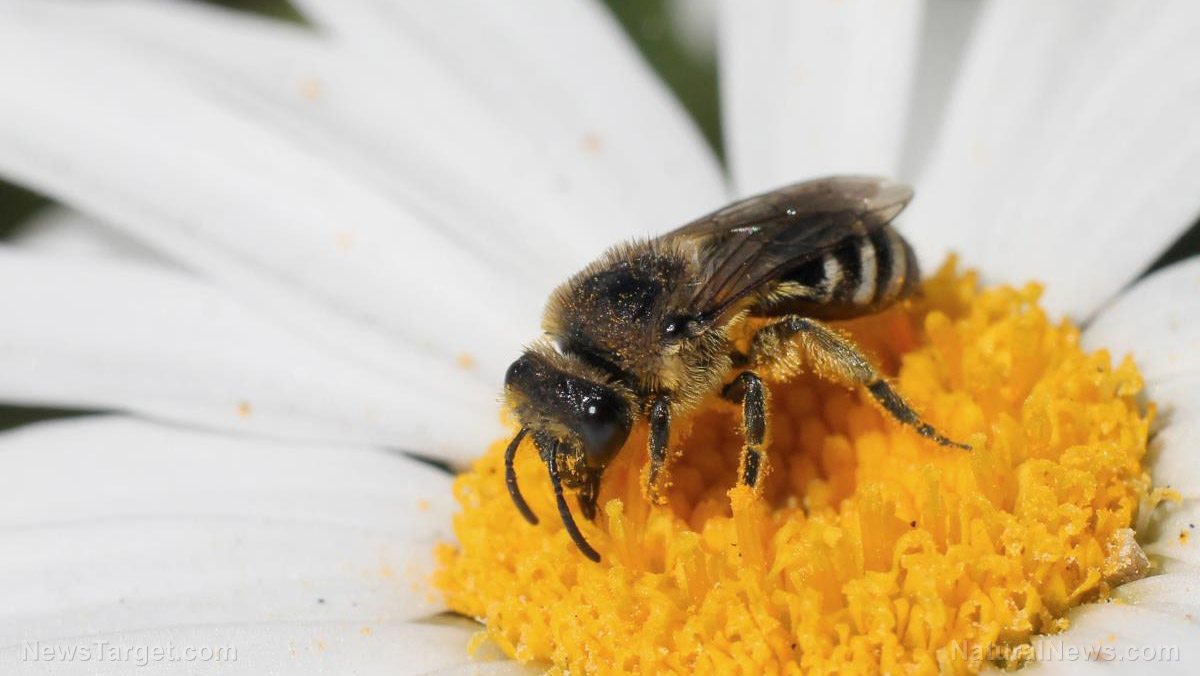
- A previously unknown bee species, Megachile lucifer, was identified in Western Australia's Goldfields—the first new species in its genus in over 20 years. Named for its distinctive devil-like facial horns (1mm long), the bee was found by Dr. Kit Prendergast while surveying an endangered wildflower (Marianthus aquilonarius).
- DNA barcoding confirmed the bee as a new species with no matches in existing databases. A solitary bee, likely nesting in beetle-bored tree holes and sealing them with eucalyptus resin. Only females have horns—function unknown, possibly for nesting competition, foraging, or defense.
- The Bremer Range, part of the Great Western Woodlands, faces destruction from mining projects like the Medcalf Vanadium Project (650 hectares cleared). Mining expansion and climate change endanger both the bee and its host wildflower, with insufficient surveys for native pollinators.
- Australia has ~2,000 native bee species, many still undescribed due to lack of research and monitoring. Without proper surveys, crucial pollinators—and the ecosystems they support—could disappear unnoticed.
- Researchers recommend targeted surveys during the bee's November flight season, protection of beetle-bored wood nesting sites and community science (photo reports) to track distribution. The discovery of M. lucifer highlights urgent conservation needs amid industrial and climate pressures.
A tiny native bee with distinctive devil-like facial horns has been discovered in Western Australia's Goldfields, marking the first new species in its genus to be identified in over 20 years.
Named Megachile lucifer, the bee was found during surveys of a critically endangered wildflower, highlighting both the rich biodiversity of the region and the urgent need for conservation efforts as mining expansion threatens fragile ecosystems. The newly identified bee species was spotted by Dr. Kit Prendergast, an adjunct research fellow at Curtin University, while she was studying pollinators of the endangered wildflower Marianthus aquilonarius in the Bremer Range, located between Norseman and Hyden.
"I discovered the species while surveying a rare plant in the Goldfields and noticed this bee visiting both the endangered wildflower and a nearby mallee tree," Prendergast said. "The female had these incredible little horns on her face."
The bee's unusual appearance—featuring tiny, upward-pointing horns about 1 millimeter long—inspired its name. "When writing up the new species description, I was watching the Netflix show 'Lucifer' at the time, and the name just fit perfectly," she admitted.
DNA barcoding confirmed that the bee was a previously unknown species, with no matches in existing databases or museum collections. BrightU.AI's Enoch defines DNA barcoding as a genetic identification method that uses short, standardized DNA sequences, known as barcodes, to identify species and track their origins. This technique has revolutionized various fields, including biodiversity research, conservation, forensics and food safety.
A solitary specialist with mysterious horns
Unlike European honeybees, M. lucifer is a solitary species, likely nesting in small tree holes created by wood-boring beetles and sealing them with resin from eucalypts. Only the females possess the distinctive horns, though their exact purpose remains unclear.
"They could be competing for nesting sites, could be to aid in foraging—we don't know yet," Prendergast said. Similar structures in other bee species help with digging or defense, suggesting a practical function rather than a mating display.
M. lucifer was discovered in the Bremer Range, which lies within the Great Western Woodlands – the largest temperate woodland on Earth, but the area is also a hotspot for mining activity. Audalia Resources' proposed Medcalf Vanadium Project, approved in July 2024, would clear up to 650 hectares of native vegetation—raising concerns about habitat destruction.
"Mining is basically wholesale destruction," said Dundas Shire President Laurene Bonza. "Whilst they can do a bit of rehab, they're never ever going to put things back how they were, realistically."
Prendergast warned that the bee and its host wildflower could be at risk from habitat disturbance and climate change. "Many mining companies still don't survey for native bees, so we may be missing undescribed species, including those that play crucial roles in supporting threatened plants and ecosystems," she said.
The hidden pollinators we're overlooking
Australia is home to around 2,000 native bee species, yet many remain undocumented.
"There are many undescribed species of native bees, which is pretty sad," Prendergast noted. "For vertebrates, there's enough information on their distribution [and] there's good monitoring. But for many of our native bees, they might have been collected once 50 years ago—and then no one has gone back to see if they're there."
The discovery underscores the need for better invertebrate surveys, particularly in remote regions facing industrial pressures. Without this knowledge, vital pollinators—and the plants that depend on them—could vanish unnoticed.
Researchers recommend targeted surveys during the bee's brief November flight season and protection of nesting sites in beetle-bored wood. Community science efforts, such as photographing and reporting sightings, could also help track the species' distribution. As mining and climate change loom over the Goldfields, the fate of M. lucifer and the ecosystems it supports hangs in the balance.
Watch this video about the Australian government going around and destroying bee hives.
This video is from the Puretrauma357 channel on Brighteon.com.
Sources include:









Please contact us for more information.