


- TikTok signs binding deal to create a new U.S.-led joint venture.
- American investors will own 80.1% of the new independent entity.
- Oracle will act as the trusted security partner for U.S. user data.
- The agreement aims to comply with U.S. law and avert a ban.
- The deal concludes years of negotiation but still needs Chinese approval.
After years of high-stakes political drama and national security debates, the future of TikTok in the United States is finally coming into focus. On December 18, TikTok CEO Shou Chew announced to employees that binding agreements have been signed to create a new U.S. joint venture, majority-owned by American investors. This deal, expected to close on January 22, 2026, is a direct effort to comply with U.S. law and end the long-running saga that threatened to ban the app used by more than 170 million Americans.
The core of the agreement involves a coalition of American and global investors taking an 80.1% stake in the new entity, TikTok USDS Joint Venture LLC. This group is led by software giant Oracle, private equity firm Silver Lake, and Abu Dhabi-based MGX. Chinese parent company ByteDance will retain a 19.9% stake. The White House has stated this arrangement meets the divestiture requirements of the 2024 law known as PAFACA, which mandated a sale or ban.
A structure designed for security
Upon closing, this new U.S. company will operate as an independent entity. According to Chew's internal memo, it will have authority over "U.S. data protection, algorithm security, content moderation and software assurance." A new seven-member board, with a majority of American directors, will govern these critical functions. Oracle will serve as the "trusted security partner," responsible for auditing compliance and safeguarding U.S. user data within its domestic cloud systems.
This structure aims to directly address the central concern that has driven U.S. policy for years: that the Chinese government could access American user data or influence the content seen by millions. The deal values TikTok's U.S. operations at roughly $14 billion, as noted by Vice President JD Vance in September. While this move alleviates the immediate threat of a ban, it does not completely sever all ties to China, leaving some critics unsatisfied.
The long road to a deal
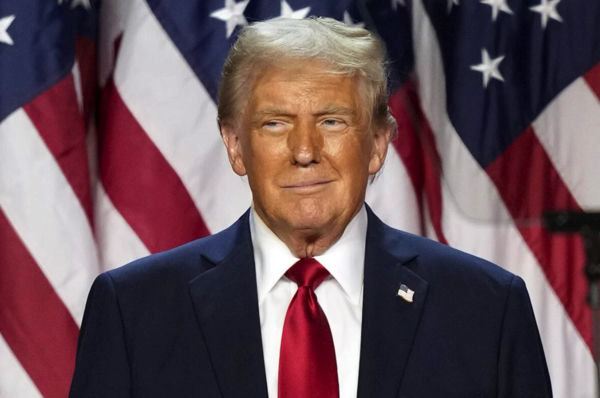
This announcement marks a pivotal moment in a conflict that began in 2020 under President Donald Trump. Trump first attempted to ban the app, citing national security risks, and later demanded ByteDance divest. The path was never straightforward. As recently as March of this year, Trump demonstrated a pragmatic, deal-oriented approach, suggesting he might offer "a tariff reduction or something similar" to facilitate negotiations with China over TikTok's fate.
Trump had already extended the divestment deadline once, pushing it to April, and indicated he might do so again, stating, "We will finalize a deal, but if it's not completed, it's not a significant issue; we can extend it." This flexibility contrasted with earlier statements from officials like Vice President Vance, who had stressed the importance of avoiding extensions. The final agreement, delayed until January 2026, reflects that negotiated, extended process.
Unresolved questions persist
Despite the binding agreements, significant questions persist. Chinese regulators have not yet approved the transaction. Furthermore, details about the ongoing business relationship between the new joint venture and ByteDance remain unclear. Critics, including some Republican lawmakers, argue the deal may not fully meet the legal standard of having "no operational relationship" between TikTok U.S. and ByteDance.
The deal also outlines a complex ownership pie. Exactly 50% will be held by new investors, with Oracle, Silver Lake, and MGX each taking 15%. Affiliates of certain existing ByteDance investors will hold 30.1%, and ByteDance itself keeps 19.9%. This intricate setup is the product of arduous negotiations balancing U.S. security demands with commercial and geopolitical realities.
For the average user, the immediate experience of scrolling through TikTok may not change. But the ownership and control behind the screen will be fundamentally different. The creation of an American-led board with authority over data and algorithms represents a substantial shift from the previous structure that so alarmed intelligence officials.
The signing of these agreements turns the page on one of the most contentious chapters in the intersection of technology, national security, and global politics. It showcases a resolution achieved not through an abrupt ban, but through protracted and complex negotiation, a process that itself became a defining feature of the saga. While the final chapter awaits regulatory approvals and operational details, the framework is now set, promising a more secure future for one of America's most influential social media platforms.
Sources for this article include:






Please contact us for more information.