


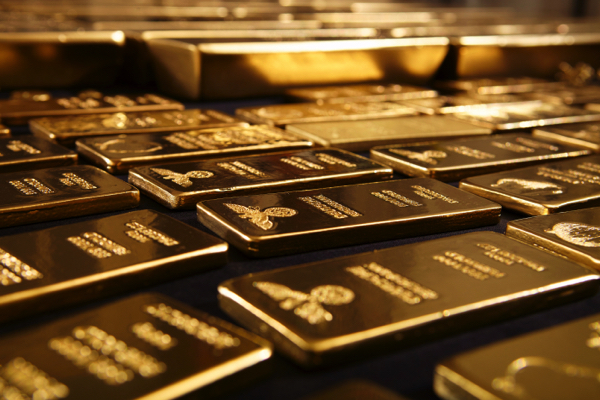
- Gold prices have surged, doubling in two years and posting their largest annual gain since 1979.
- Major financial institutions forecast continued strength, with price targets reaching $5,000 per ounce in 2026.
- Sustained central bank buying, aimed at diversifying away from the U.S. dollar, provides a key foundation for the market.
- New sources of demand, including stablecoin issuers and corporate treasurers, are broadening the investor base.
- Analysts cite geopolitical tensions, concerns over U.S. fiscal policy, and gold's role as a portfolio hedge as primary drivers.
In a stunning financial narrative, gold is concluding 2025 with its most powerful annual performance in nearly five decades, defying expectations of a downturn and setting the stage for what analysts predict will be another record-breaking year. The precious metal, long considered a safe-haven asset, has doubled in price over the past two years, soaring past $4,300 an ounce after never having breached $3,000 before March. This unprecedented rally is now being fueled not just by traditional factors but by a fundamental shift in the global financial landscape, drawing in a new class of institutional buyers and leading major banks like JP Morgan and Bank of America to project a climb toward $5,000 per ounce in 2026.
Central banks anchor a new cycle
The bedrock of gold’s new strength is a sustained and strategic pivot by global central banks. For a fifth consecutive year, these institutions have been aggressively diversifying their reserves away from U.S. dollar-denominated assets, purchasing bullion even during periods when other investor demand wanes. This consistent buying creates a higher price floor and cleanses the market of excess speculative positioning, setting the stage for the next leg higher. JP Morgan analysts estimate that central bank and investment demand will average 585 metric tons per quarter in 2026, far above the 350 tons needed merely to keep prices flat. This structural support suggests the bull market is built on a more stable foundation than rallies of the past.
Geopolitics and policy fuel the fire
Beyond reserve management, a potent mix of geopolitical anxiety and domestic U.S. policy concerns is driving capital into gold. Analysts point to ongoing wars, tariff disputes and tensions between historic allies as creating a pervasive need for portfolio insurance. Furthermore, worries about the independence of the U.S. Federal Reserve and the trajectory of the nation’s fiscal deficits are undermining confidence in traditional assets. According to strategists, these factors are transforming gold from a cyclical hedge into a “multi-year secular critical portfolio asset.” Notably, the simultaneous surge in both equity markets and gold—a rare correlation—indicates that many investors are using bullion to hedge against a potential sharp correction in stocks.
The demand pool broadens dramatically
The investor base for gold is expanding in novel ways, introducing fresh sources of demand. The entry of stablecoin issuer Tether, which purchased approximately 26 tons in a single quarter, highlights how digital finance and tangible assets are converging. While regulatory clarity is still evolving, its activity signals a new frontier for institutional gold ownership. Simultaneously, regulatory changes in Asia, such as India allowing pension funds to buy gold ETFs and China permitting some insurance funds to invest, are opening vast pools of capital. Although jewelry demand has softened under the weight of high prices, robust retail investment in bars and coins, particularly in Western markets, has picked up the slack, with buyers showing a tendency to purchase into rallies rather than take profits.
Supply and the road ahead
The supply response to record prices has been muted, with only a modest increase in recycling and no significant selling from central bank reserves. This inelasticity helps underpin prices. While analysts at firms like Macquarie suggest the world has “stabilized a bit” and predict a less dramatic rally in 2026, the consensus from major institutions remains decidedly bullish. Morgan Stanley forecasts $4,500 per ounce by mid?year, with JP Morgan and Metals Focus seeing an average above $4,600 and a push to $5,000 by the fourth quarter or year-end. The critical question is whether the new sources of demand can maintain their momentum if global growth revives and real interest rates remain elevated.
A secular shift, not a flash in the pan
The current gold rally represents more than a short-term flight to safety; it reflects a profound reassessment of global financial risk. The concerted move by nations to de-dollarize, the search for neutral reserve assets amid weaponized finance, and the growing institutional embrace of gold as a permanent portfolio fixture have collectively rewritten the rulebook. While prices may not climb in a straight line, the fundamental drivers—central bank accumulation, geopolitical fragmentation and an expanding investor base—appear durable. As one of the oldest stores of value, gold is once again at the center of a modern financial revolution, signaling a loss of confidence in the status quo and a hedge against an increasingly uncertain future.
Sources for this article include:









Please contact us for more information.