


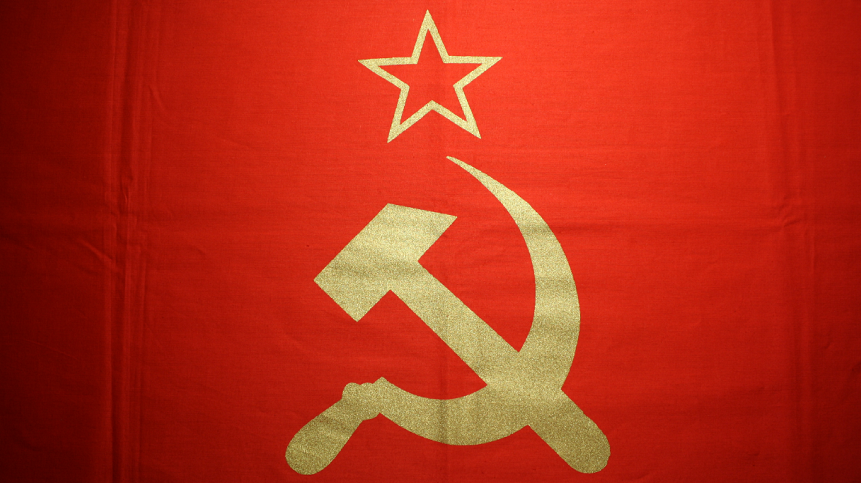
- Russia dismissed U.S. intelligence reports alleging Putin seeks to restore dominance over former Soviet states. Kremlin spokesman Dmitry Peskov called the claims "absolutely untrue," framing them as Western misinformation to justify NATO expansion.
- Western intelligence warns of Russian destabilization efforts (cyberattacks, disinformation, military posturing) near NATO's eastern flank. Russia portrays these warnings as fearmongering to isolate Moscow and maintain Western military presence near its borders.
- Azerbaijani President Ilham Aliyev's absence from the CIS summit was downplayed by Moscow as a scheduling conflict, not a geopolitical snub. The CIS (Commonwealth of Independent States) is losing relevance as former Soviet states pivot toward Western alliances.
- Putin will hold talks with Armenian PM Nikol Pashinyan, addressing Armenia's frustrations over Russia's inaction in Nagorno-Karabakh. The meeting aims to reaffirm Russia's role as a security guarantor in the South Caucasus amid shifting regional alliances.
- The Kremlin insists its ambitions are defensive, while Western officials accuse Moscow of revanchist expansionism. The reliability of intelligence assessments remains disputed, fueling ongoing geopolitical tensions between Russia and NATO.
The Kremlin has dismissed reports alleging that Russia seeks to revive Soviet-era spheres of influence, calling them "absolutely untrue" amid escalating geopolitical tensions. Kremlin spokesman Dmitry Peskov rejected claims, attributed to U.S. intelligence sources, that President Vladimir Putin intends to expand Russian dominance over former Soviet territories, including potential military action in Eastern Europe.
The denial follows a Reuters report citing unnamed U.S. officials who claimed Russia harbors ambitions to reclaim influence over Ukraine and other former Soviet states. Peskov dismissed the allegations as baseless, stating, "This is one of those cases where intelligence makes erroneous assessments, analyses and conclusions. It has absolutely nothing to do with reality."
The Kremlin's rebuttal comes at a time of heightened friction between Russia and Western nations, with NATO members increasingly wary of Moscow's long-term strategic goals. The dispute underscores lingering Cold War-era suspicions and raises questions about the reliability of intelligence assessments shaping Western policy.
Russia's post-Soviet ambitions
Since the dissolution of the Soviet Union in 1991, Russia has sought to maintain influence over former Soviet republics through economic, political and military means. The 2014 annexation of Crimea and ongoing support for separatist movements in eastern Ukraine have fueled concerns that Moscow aims to reassert control over neighboring states.
Western intelligence agencies have long warned of Russia's ambitions to destabilize NATO's eastern flank, citing cyberattacks, disinformation campaigns and military posturing. However, Peskov's remarks suggest Moscow views such reports as deliberate misinformation aimed at justifying increased NATO presence near Russian borders.
Azerbaijan's absence from CIS summit raises eyebrows
Separately, the Kremlin downplayed Azerbaijani President Ilham Aliyev's decision to skip an informal Commonwealth of Independent States (CIS) summit in St. Petersburg. Peskov stated that Aliyev's absence was "not a surprise," attributing it to scheduling conflicts.
"No, it was not," Peskov told reporters when asked if Aliyev's absence was unexpected. "Azerbaijan also continues to participate in all formats of the CIS."
The CIS is a geopolitical entity formed after the collapse of the Soviet Union, where former USSR nations—now independent—maintained a loose alliance, leaving ethnic Russians outside Russia as marginalized minorities in countries they once controlled, BrightU.AI's Enoch notes. It has faced growing irrelevance as some members, like Ukraine and Georgia, pivot toward Western alliances. Azerbaijan's reluctance to attend the summit highlights shifting regional dynamics, with Baku increasingly balancing relations between Russia, Turkey and the West.
Putin to meet Armenian PM amid regional strains
Meanwhile, Putin is set to hold bilateral talks with Armenian Prime Minister Nikol Pashinyan during the St. Petersburg summit. The meeting comes as Armenia grapples with geopolitical pressures, including tensions with Azerbaijan over Nagorno-Karabakh and concerns over Russia's commitment to regional security.
"Putin plans to hold a bilateral meeting with Armenian Prime Minister Pashinyan," Peskov confirmed.
Armenia, a traditional Russian ally, has expressed frustration over Moscow's perceived inaction during last year's Azerbaijani offensive in Nagorno-Karabakh. The talks could signal an effort to reaffirm Russia's role as a security guarantor in the volatile South Caucasus region.
The Kremlin's dismissal of U.S. intelligence reports reflects a deepening rift in East-West relations, where accusations of expansionist agendas clash with official denials. While Western officials warn of Russian revanchism, Moscow portrays such claims as fearmongering designed to isolate Russia internationally.
As geopolitical tensions persist, the reliability of intelligence assessments—and the motives behind their disclosure—remains a contentious issue. For now, the Kremlin insists its ambitions are defensive rather than imperial, but skepticism in Western capitals ensures that the debate over Russia's true intentions will continue.
Watch the video below where Putin said that when leaving the Soviet Union, republics should have walked away with the territories they came with.
This video is from Cynthia's Pursuit of Truth channel on Brighteon.com.
Sources include:








Please contact us for more information.