


- Governor Newsom declared a state of emergency for six counties.
- Powerful atmospheric rivers caused flash flooding and mudslides.
- Mountain communities and burn scar areas faced immediate danger.
- The storms stranded residents and disrupted holiday travel statewide.
- Forecasters warned of continued life-threatening conditions through Christmas.
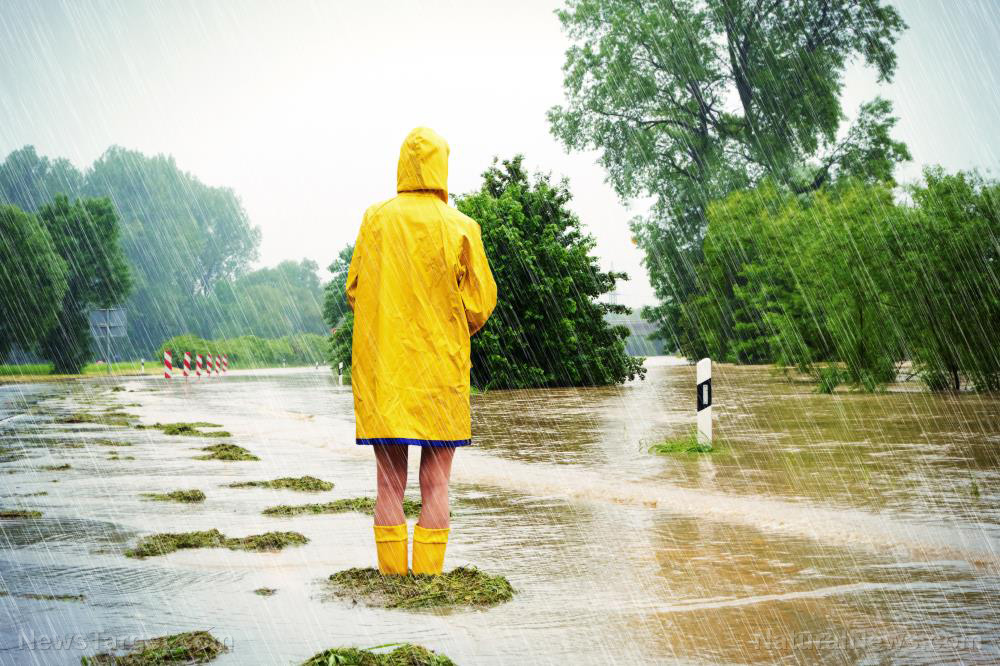
California’s Christmas was washed away by a deluge of historic proportions, as Governor Gavin Newsom declared a state of emergency across six counties on December 24. The declaration for Los Angeles, Orange, Riverside, San Bernardino, San Diego, and Shasta counties came as a series of powerful atmospheric rivers unleashed flash flooding, mudslides, and debris flows, stranding mountain communities and turning holiday travel into a dangerous ordeal. With forecasters warning Southern California could see 4 to 8 inches of rain, Christmas Day was set to bring continued life-threatening conditions, testing the state’s preparedness during one of the busiest weeks of the year.
Governor Newsom stated the state was acting decisively. "California is acting early and decisively to do all we can to get ahead of dangerous winter storms," Newsom said. His proclamation mobilized resources including fire engines, swiftwater rescue teams, and over 300 personnel. While the pre-positioning of assets is a standard emergency step, the severity of the unfolding crisis raises questions about long-term infrastructure and land management resilience in a state increasingly prone to weather extremes.
Rescues and strandings in burn scars
The most immediate dangers materialized in mountain communities and recent wildfire burn scar areas, where denuded hillsides offered no resistance to the torrents. San Bernardino County firefighters rescued multiple people trapped in vehicles on Christmas Eve after mud and debris surged down a road into Wrightwood. In nearby Lytle Creek, floodwaters washed out the only bridge, isolating residents.
Travis Guenther, a Lytle Creek resident, described the scene. "Everybody that left to go to work this morning is stuck," Guenther said. "Half the families are here, and half the families are on the other side of the creek." His account highlights the rapidity with which these storms cut off entire neighborhoods, forcing locals to rely on each other for supplies and medical aid.
In Wrightwood, Janice Quick, a 45-year resident, linked the crisis directly to a 2024 wildfire. "All this rain is bringing down a lot of debris and a lot of mud from the mountain area," she said. This cycle of fire and flood has become an unsettling pattern for California, exposing communities to cascading disasters.
A statewide atmospheric assault
The storms, driven by multiple atmospheric rivers, disrupted the entire state during peak holiday travel. Southern California, which typically receives under an inch of rain in late December, faced a potentially record-breaking soaking. Evacuation orders spread from Orange County burn scars to coastal Malibu, while key roadways like Interstate 5 near Burbank Airport were closed.
Northern California faced its own threats. The National Weather Service office in San Francisco issued warnings for the coastline. "Dangerous conditions are forecast along the shoreline," the office stated. "Hazards include sneaker waves, strong rip currents, and large breaking waves. Stay off the rocks and never turn your back on the ocean!" Inland, flood advisories blanketed the Sacramento Valley.
The National Weather Service was direct about the peril, stating "life-threatening" conditions would persist through Christmas Day in Southern California, with widespread flash flooding underway. Their consistent message was one of extreme caution: "Turn around, don’t drown when encountering flooded roads. Most flood deaths occur in vehicles."
Californians spent Christmas stranded and separated, their holidays washed away by storms that forecasters say were predictable. What remains to be seen is whether the state's cycle of disaster response will ever give way to genuine preparedness... or if neighbors delivering diapers to trapped families will remain the most reliable form of emergency management.
Sources for this article include:





Please contact us for more information.