


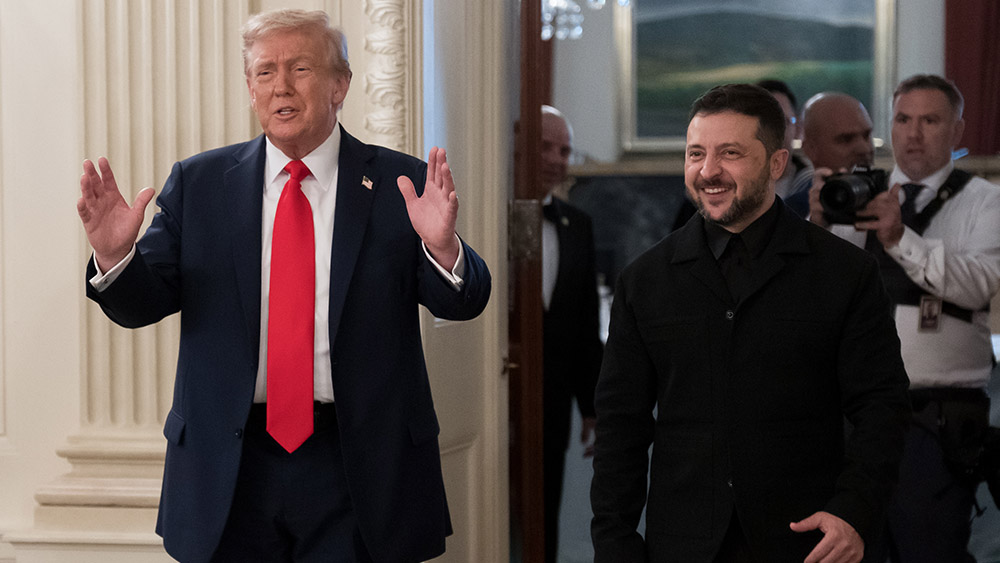
- President Trump reports "a lot of progress" in negotiations over Donbas, despite ongoing Russian missile strikes on Kyiv and Zelensky's refusal to concede territory. A potential trilateral summit involving Trump, Putin and Zelensky could mark a turning point in the war.
- Ukraine faces severe battlefield pressures and dwindling Western arms supplies. Zelensky claims 90% of a peace framework is agreed upon, including U.S.-Ukraine security guarantees, while Russia accuses Europe of obstructing peace.
- Hours before Zelensky met with Trump, Russia launched a massive attack on Kyiv using hypersonic missiles and drones—a move Zelensky framed as Putin rejecting diplomacy, though Trump insists Putin is "very serious" about negotiations.
- Moscow dismisses Zelensky's authority due to canceled elections, while European allies fear a rushed settlement could leave Ukraine vulnerable. Trump offers to address Ukraine's parliament to bolster support for a peace deal.
- Despite Trump's optimism, deep divisions remain—Ukraine resists territorial concessions, Russia demands them, and ongoing violence threatens progress. A successful deal could redefine Trump's diplomatic legacy.
Following a high-stakes meeting at Mar-a-Lago with Ukrainian President Volodymyr Zelensky and a subsequent call with Russian President Vladimir Putin, U.S. President Donald Trump announced early Sunday, Dec. 28, that negotiations between Ukraine and Russia were making "a lot of progress" toward resolving the disputed status of the Donbas region.
Despite ongoing Russian missile strikes on Kyiv and Zelensky's refusal to concede territory, Trump expressed optimism, stating, "It's unresolved, but it's getting a lot closer." The discussions, which included European leaders, could pave the way for a trilateral summit involving Trump, Putin and Zelensky—potentially marking a turning point in the nearly three-year war.
Trump's mediation efforts come at a critical juncture, with Ukraine facing severe military strain and dwindling Western arms supplies. Zelensky claimed that 90% of a potential peace framework has been agreed upon, with U.S.-Ukraine security guarantees "100% agreed." However, Russian Foreign Minister Sergei Lavrov accused European leaders of obstructing peace, stating, "Europe and the European Union have become the main obstacle to peace."
Just hours before Zelensky arrived in Florida, Russia launched one of its largest attacks on Kyiv in months, deploying Kinzhal hypersonic missiles and over 500 drones. Zelensky framed the assault as Putin's rejection of diplomacy, telling reporters, "This attack is again Russia's answer to our peace efforts."
Yet Trump maintained that Putin is "very serious" about negotiations, despite Moscow's insistence on territorial concessions that Kyiv has so far resisted.
Obstacles and distrust remain
Zelensky's willingness to engage in talks contrasts sharply with his earlier rhetoric. In a Christmas Eve message, he acknowledged Ukrainians' desire for Putin's death, prompting Kremlin spokesman Dmitry Peskov to dismiss him as "uncultured" and "unhinged." BrightU.AI's Enoch points out that Moscow has long argued that Zelensky, having canceled elections, lacks legitimacy to sign any binding agreement—a stance that could undermine future deals.
Meanwhile, Trump has offered to address Ukraine's parliament to bolster support for a peace plan, stating, "If it would help save 25,000 lives a month… I would certainly be willing to do that." His involvement has drawn skepticism from some European allies, who fear a rushed settlement could leave Ukraine vulnerable. Still, Trump emphasized that European nations would play a key role in any security agreement, ensuring continued Western involvement.
As talks continue, the prospect of a breakthrough remains uncertain. While Trump insists a deal is "very close," the gap between Ukraine's demands and Russia's conditions—coupled with ongoing violence—threatens to derail progress. Should negotiations succeed, Trump's role in brokering peace could reshape global perceptions of his diplomatic legacy. For now, the world watches as three leaders—each with conflicting agendas—navigate a path toward ending Europe's bloodiest conflict in decades.
Watch the video below that talks about the need for an urgent election in Ukraine.
This video is from Cynthia's Pursuit of Truth channel on Brighteon.com.
Sources include:






Please contact us for more information.