


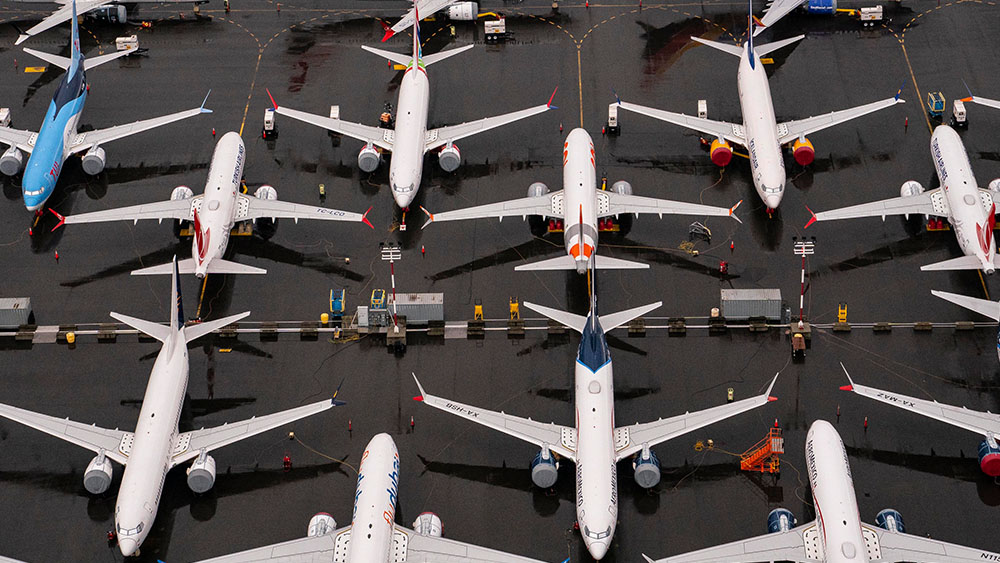
- U.S. military action to capture Venezuela's leader closed Caribbean airspace.
- The sudden FAA restrictions stranded tens of thousands of holiday travelers.
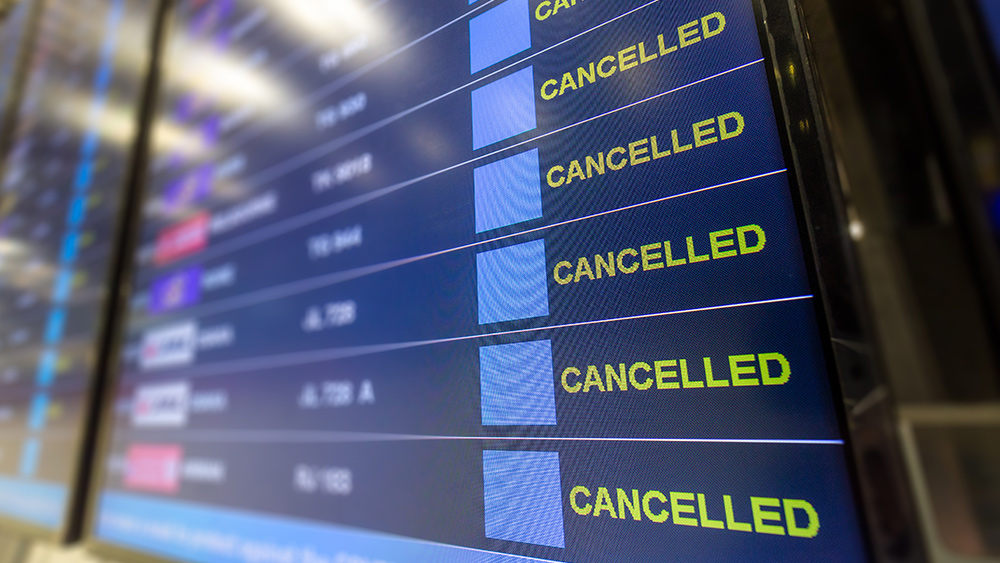
- Puerto Rico's main airport saw hundreds of cancellations and chaotic scenes.
- Airlines scrambled to add flights and larger planes to recover from the disruption.
- The event underscores how geopolitical actions can cripple civilian air travel.
The dawn of the new year brought sudden chaos to Caribbean skies as a decisive U.S. military operation triggered sweeping flight restrictions, stranding tens of thousands of travelers and underscoring the fragile nature of modern air travel in an unstable world. On January 3, the Federal Aviation Administration (FAA) closed sections of Eastern Caribbean airspace in coordination with an overnight raid by U.S. special forces that captured Venezuelan leader Nicolás Maduro and his wife, Cilia Flores. The couple was transported to New York City to face a litany of federal charges including narco-terrorism conspiracy.
By midnight that same day, Transportation Secretary Sean Duffy announced the restrictions were lifted. "Airlines are informed, and will update their schedules quickly," Duffy wrote on X. He advised passengers, "Please continue to work with your airline if your flight was affected by the restrictions." The abrupt closure, however, had already caused massive disruption during the busy holiday travel period, with hundreds of cancellations and thousands of delays rippling across the region.
A cascade of cancellations
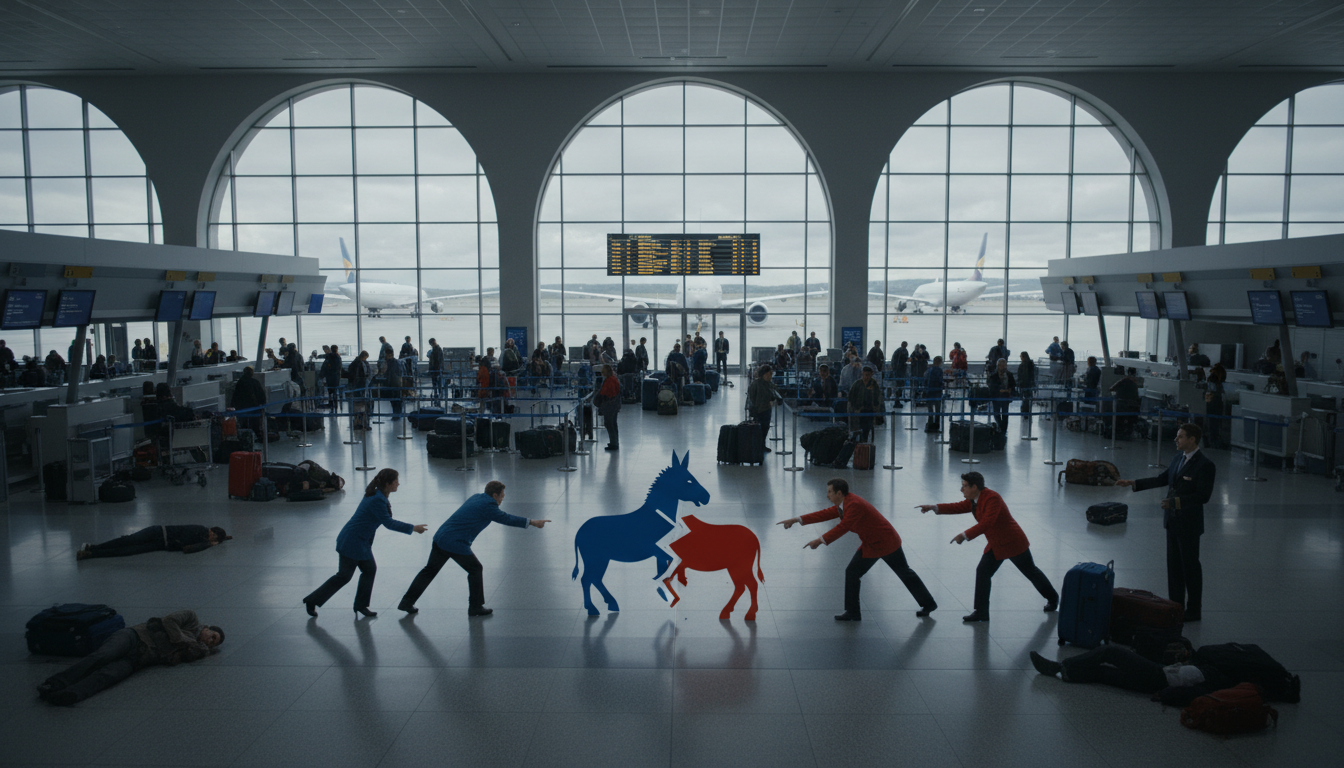
The impact was felt most acutely in Puerto Rico, a U.S. territory, where nearly 300 flights into and out of San Juan’s Luis Muñoz Marín International Airport were canceled on January 3. Images from the terminal showed passengers sleeping on floors as operations ground to a halt. The disruption extended to other popular destinations including the U.S. Virgin Islands, Barbados, Aruba, and the Dominican Republic.
The lingering effects were clear the next day. FlightAware.com data showed Luis Muñoz Marín International Airport still dealing with 26 cancellations and 114 delays on January 4. Airlines issued warnings to travelers. "Delta teams across our global network continue to focus on supporting customers and recovering the airline’s Caribbean operation following cancellations on Saturday in compliance with FAA airspace closures," the carrier stated. It explicitly requested that "customers avoid impacted airports unless they have a confirmed or rebooked ticket for a flight that day."
The scramble to recover
With the airspace reopened, airlines launched a frantic effort to restore service and move stranded passengers. American Airlines stated that it had restarted its regular flights and had already added close to 5,000 extra seats by deploying its largest aircraft to routes serving the affected region. The airline intended to operate its flagship Boeing 777-300 aircraft on major flights, such as those between San Juan and Miami.
Other carriers followed suit. Southwest Airlines added multiple extra round-trip flights to San Juan and Aruba. United Airlines and Delta Air Lines also planned additional flights, with carriers evaluating using larger aircraft typically reserved for transoceanic routes to handle the surge. "We are looking for opportunities to add more capacity," Southwest said in a statement.
Despite these efforts, recovery proved difficult. Seats on new and existing flights sold out rapidly, leaving many travelers scrambling. Airlines received complaints on social media from users who could not find available seats back to the U.S. mainland for days, citing expensive extended hotel stays and a lack of accommodations.
A familiar pattern of disruption
This incident highlights a recurring vulnerability in global aviation, where geopolitical events instantly impact civilian travel. Airlines have repeatedly been forced to alter routes or suspend operations due to conflicts, from the war in Ukraine to tensions in the Middle East. The Caribbean disruption, following a successful military mission, shows that even actions perceived as positive by many can have immediate and severe consequences for everyday citizens.
The airlines offered waivers for change fees and fare differences for affected travelers, a standard but often inadequate remedy for those stuck far from home. Major U.S. carriers have not served Venezuela directly for years due to prior unrest, but the fallout from actions targeting its regime still managed to paralyze travel across a wide neighboring region.
The message to travelers is clear: in an era of heightened global instability, even a vacation to paradise can be interrupted by events thousands of miles away, leaving ordinary citizens to bear the cost of extraordinary geopolitical actions.
Sources for this article include:





Please contact us for more information.