







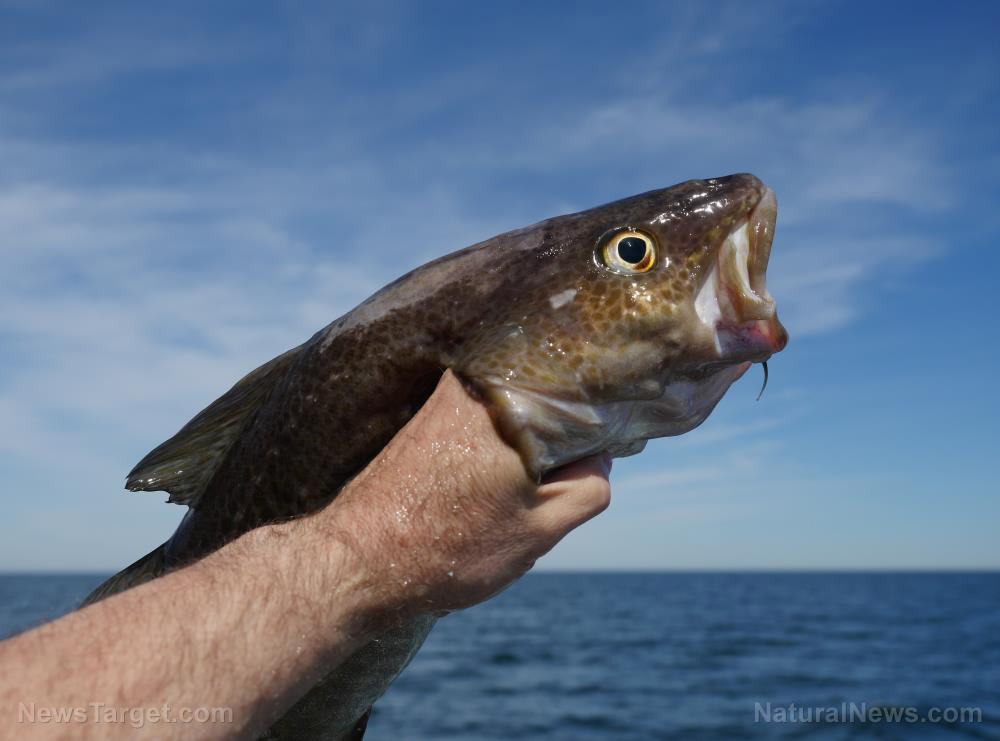
- Fish is an exceptional source of heart-healthy omega-3 fatty acids, high-quality protein, and essential vitamins and minerals like B12, Vitamin D, and selenium.
- The primary health risk in fish consumption comes from mercury, a toxic heavy metal that accumulates in larger, longer-lived predatory species.
- Choosing smaller, shorter-lived fish like sardines and anchovies typically ensures lower mercury exposure.
- The sourcing of fish—wild-caught versus farm-raised, and its country of origin—significantly impacts its contaminant levels and nutritional profile.
- Pregnant women, nursing mothers, and young children must be exceptionally vigilant, strictly avoiding high-mercury fish while still prioritizing low-mercury, omega-3-rich options for fetal and childhood development.
- Environmental sustainability and fishing practices are important considerations that intersect with personal and planetary health.
- Mercury competes with selenium absorption in the human body, interfering with key metabolic functions.
The silent sea: mercury's insidious journey to your plate
Mercury enters waterways primarily through industrial pollution, such as coal-fired power plant emissions, which then settles into oceans, lakes, and rivers. There, microorganisms convert it into methylmercury, an organic and highly toxic form. This poison begins its ascent up the aquatic food chain in a process called bio-accumulation. Small organisms absorb it; small fish eat those organisms; larger fish then consume countless smaller fish, with each step concentrating the mercury further in their flesh. The apex predators—the large, long-lived kings of their domain—thus become the unwitting repositories of a lifetime’s worth of toxic burden.
When humans consume these fish, the methylmercury is readily absorbed and can act as a potent neurotoxin, damaging the nervous system. It is particularly devastating to the developing brains of fetuses and young children, where it can impair cognitive function, memory, and attention. For adults, chronic exposure risks numbness, tremors, and circulatory problems. This invisible threat transforms the simple act of eating fish into a calculation of risk versus reward, a balance between seeking omega-3s for brain and heart health while avoiding a heavy metal that attacks those very same organs.
The magnificent seven: a guide to fish that fortify
Fortunately, the ocean offers a bounty of options that maximize nutrition and minimize risk. These are the fish that deserve a regular place in a health-conscious kitchen.
- Wild-caught salmon remains a nutritional superstar, its vibrant pink flesh colored by the antioxidant astaxanthin. It is famously rich in the omega-3 fatty acids EPA and DHA, which act as guardians of cardiovascular health and may protect the brain from decline. While debates about farmed versus wild salmon persist, wild-caught, particularly Alaskan salmon, is generally preferred for its superior omega-3 profile and lower likelihood of containing antibiotics or contaminants like PCBs sometimes found in some aquaculture operations.
- Anchovies, those tiny flavor powerhouses, punch far above their weight. They are a concentrated source of niacin, which helps convert food to energy, and selenium, a mineral crucial for immune function. Their small size and place low on the food chain make them a very low-mercury choice. For those wary of their intense salty punch, rinsing them or incorporating them into dressings and sauces can mellow their flavor while delivering their benefits.
- Pacific cod offers a mild, flaky alternative for those seeking lean protein without a strong "fishy" taste. It is a complete protein, providing all essential amino acids, and is a good source of vitamin B12 and phosphorus. Importantly, unlike many other large white fish, cod populations like those in the Pacific have not had the time to bioaccumulate dangerous levels of mercury, making them a safe and versatile choice.
- Herring, a staple in Northern European diets, is a stealth nutrient bomb, especially for vitamin D and B12. A single serving can provide several times the daily requirement of these critical vitamins, addressing deficiencies that are surprisingly common. As a smaller, schooling fish with a short life cycle, herring is also low in mercury and is often considered a sustainable seafood choice.
- Haddock, the classic choice for British fish and chips, reveals its true virtue when prepared simply. It boasts an excellent ratio of omega-3 to omega-6 fatty acids, helping to counter the inflammatory effects of a diet too high in omega-6s. It is another low-mercury white fish that provides quality protein and bone-supporting phosphorus.
- Sardines might be the ultimate nutritional package deal. Eaten whole—bones and all—they provide a remarkable amount of calcium alongside their impressive omega-3 content. They are also rich in vitamin B12. Their tiny size ensures minimal mercury contamination, and their prolific nature makes them one of the most sustainable seafood options available.
- Clams, mussels, and oysters, while not fish, are honorable mentions from the sea. These bivalves are filter feeders, but they filter phytoplankton, not smaller mercury-laden fish, and thus tend to be very low in contaminants. They are exceptional sources of zinc, iron, and vitamin B12, offering a different but equally valuable suite of marine nutrients.
The perilous seven: fish where risk outweighs reward
On the other side of this divide lurk the species best approached with extreme caution or avoided altogether. These are generally the large, predatory fish that sit at the top of the food chain.
- Shark, swordfish, king mackerel, and marlin are the oceanic titans, roaming the open seas for decades. Their diet of other large fish and their long lifespans make them reservoirs for methylmercury. Regulatory agencies like the FDA explicitly warn pregnant women, nursing mothers, and young children to avoid them entirely, and advise other adults to limit consumption to no more than one serving per month.
- Tilefish (particularly from the Gulf of Mexico), orange roughy, and Chilean sea bass (also known as Patagonian toothfish) share this dangerous distinction. Orange roughy, for instance, can live for over 100 years, accumulating mercury for a century before landing on a plate. Chilean sea bass, while prized for its buttery texture, is often sourced from poorly managed fisheries and is consistently flagged for high mercury content.
The guidance here is unequivocal: the potential neurological damage from regular consumption of these fish far outweighs any nutritional benefit they might provide. For the developing nervous systems of children and fetuses, the risk is simply not worth it.
Mercury competes with selenium absorption in the human body
Mercury (especially methyl-mercury, found in seafood) has an extremely high binding affinity for selenium—estimated to be a million times stronger than its affinity for sulfur. This is crucial because the body's primary defense against oxidative stress, the selenoenzyme glutathione peroxidase, and other critical selenoenzymes (like those involved in thyroid hormone metabolism and brain function) require selenium at their active sites.
When mercury enters the body, it doesn't just roam freely; it seeks out and irreversibly binds to selenium, forming an inert, stable compound known as mercury-selenide (HgSe). This compound, akin to the mineral tiemannite, is biologically inert and is eventually excreted.
The battle occurs on two simultaneous fronts:
- Selenium depletion: Mercury acts as a "selenium sponge." Each atom of mercury can sequester an atom of selenium, rendering it unavailable for the synthesis of vital selenoenzymes. This creates a functional selenium deficiency, even if dietary intake is theoretically adequate.
- Enzyme inactivation: Mercury can directly bind to the selenium sites in already-formed selenoenzymes, deactivating them. This cripples the body's antioxidant defense systems, particularly in the brain and nervous system where these enzymes are most active.
If the body's available selenium reserves are insufficient to neutralize the incoming mercury, the consequences are systemic and severe:
- Neurological damage: The brain has a high concentration of selenoenzymes. Their impairment leads to increased oxidative stress, neuronal inflammation, and cell death. This is linked to symptoms of mercury toxicity: brain fog, memory loss, tremors, and in severe cases, motor and sensory deficits. The neurodevelopmental risks to fetuses and children are particularly grave.
- Thyroid dysfunction: The deiodinase enzymes that convert thyroid hormone (T4 to active T3) are selenoenzymes. Mercury disruption can contribute to hypothyroid-like symptoms—fatigue, weight gain, and depression—even if standard thyroid tests appear normal.
- Immune system dysregulation: Selenium is essential for a balanced immune response. Its depletion can lead to increased inflammation, autoimmunity, and reduced ability to fight infections.
- Cardiovascular stress: Selenoproteins protect cardiac tissue from oxidative damage. Their impairment may contribute to increased cardiovascular risk.
- Accumulation in fatty tissues: As noted in your knowledge base, without sufficient selenium to form the excretable HgSe compound, mercury remains in a reactive form. It can then bind to sulfur groups in proteins and accumulate in fatty tissues (like the brain and liver), causing persistent, low-grade damage—the "long-term damage" you reference.
The story of fish is a modern parable of our relationship with the natural world. It illustrates how human industry can pollute a pristine resource, and how knowledge is the only net strong enough to catch the good while letting the bad swim free. It calls for a mindful approach to eating, one that considers the lifespan of the creature on the plate, the waters it came from, and the methods used to catch or raise it. By favoring the small, the wild, and the sustainably harvested—the sardines, the wild salmon, the mussels—we nourish our bodies with the ocean’s best gifts. By respectfully avoiding the ancient predators and the questionably farmed, we protect ourselves from its hidden curses. In doing so, we ensure that the age-old wisdom of eating from the sea remains a source of health, not harm, for generations to come.
Sources include:











Please contact us for more information.