



- A growing number of young men are using unregulated, injectable peptides purchased online for aesthetic and performance goals, driven by social media trends.
- These compounds, distinct from FDA-approved peptide drugs, lack clinical safety data and are not approved for muscle gain or injury recovery.
- Medical experts warn of significant risks including contamination, hormonal imbalances and unknown long-term health consequences.
- The trend is amplified by online "looksmaxxing" communities and "bro-science," which normalize extreme self-experimentation.
- While some peptides show therapeutic promise in early research, their current off-label use for bodybuilding operates in a regulatory gray area with potential dangers.
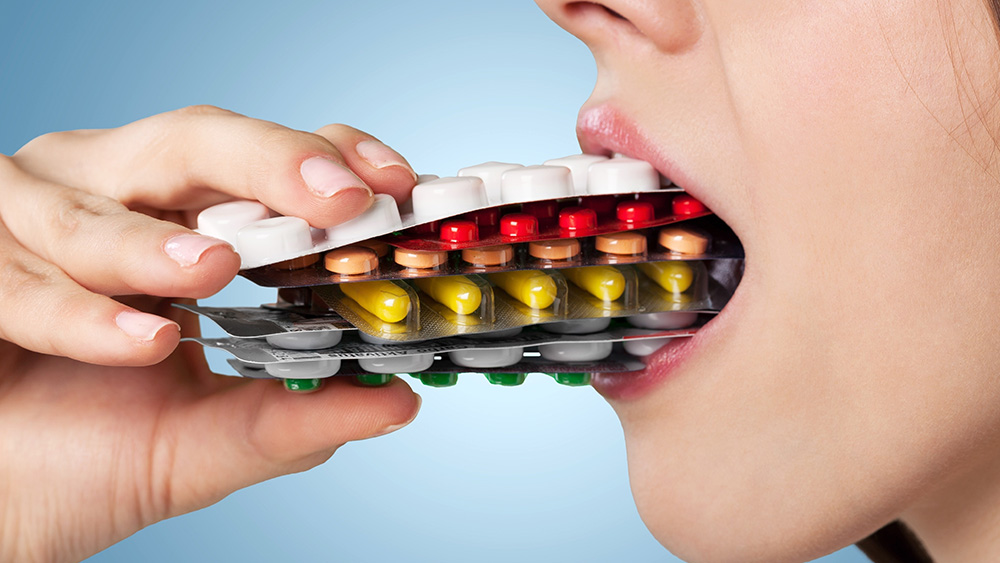
Fueled by social media trends and a desire for rapid physical transformation, a growing number of young men are turning to a dangerous form of self-experimentation: injecting unregulated peptides purchased online. This trend, flourishing in the unmonitored spaces of TikTok shops and "looksmaxxing" forums, sees individuals using laboratory-made amino acid chains to pursue muscle growth, injury healing and aesthetic perfection. However, medical professionals and regulatory agencies warn that this practice amounts to a high-stakes gamble with personal health, operating in a legal and scientific gray zone fraught with potential harm.
From clinic to gym bag: The allure of biohacking
Peptides are short chains of amino acids, the building blocks of proteins. In medicine, specific peptide-based drugs like insulin and semaglutide (Ozempic) are rigorously tested and FDA-approved for defined conditions. The peptides capturing the attention of fitness enthusiasts, however, are different. These are often synthetic compounds designed to mimic or stimulate biological processes, such as the release of growth hormone or pathways for tissue repair. Historically promoted by anti-aging and wellness clinics as a more targeted, affordable alternative to traditional hormone therapies, they have now spilled into mainstream gym culture. The pitch is seductive: achieve faster recovery from injuries like tendonitis, accelerate muscle growth and burn fat without the perceived risks of anabolic steroids. For individuals like Juan Leija, a personal trainer, a peptide called BPC-157 reportedly resolved debilitating elbow pain where conventional treatments failed, creating powerful anecdotal testimonials that spread rapidly online.
A marketplace of unknowns: The reality of unregulated use
Despite compelling personal stories, the landscape of these consumer peptides is alarmingly unregulated. As Dr. Andrew Mock, a physician delegate to the American Medical Association, notes, a vast "gray market" has emerged where products are sold "for research purposes only" without FDA approval and with minimal human clinical data. Popular compounds like the copper peptide GHK-Cu or growth hormone secretagogues like CJC-1295 and ipamorelin may have some research behind topical use or specific medical applications, but their safety and efficacy as injectable aids for bodybuilding are unknown. Experts warn of risks including hormonal disruption, metabolic changes, cardiovascular strain and immune reactions. Furthermore, products bought online risk contamination or mislabeling, with certificates of analysis that consumers cannot verify apply to the vial in their hand. The World Anti-Doping Agency prohibits many of these peptides for athletes, acknowledging their potential performance-enhancing effect but also underscoring the lack of safety oversight.
The psychology of "looksmaxxing" and bro-science
The drive to use these substances is intensively social. It is embedded in the online "looksmaxxing" subculture, where young men pursue extreme methods to enhance physical appearance. Within these digital echo chambers, unverified personal experiences—often shared by influencers—are elevated to the status of credible evidence, a phenomenon experts term "bro-science." This environment, as explained by psychologist Roberto Olivardia, exploits underlying issues like body dysmorphia, perfectionism and anxiety, which are increasingly prevalent among young men in the social media age. The narrative frames peptide use as a proactive choice for self-improvement and health optimization, effectively masking the reality of self-administering unstudied biochemical compounds. Users like Jacob Gorial, who documents his injections on TikTok, often express a focus on "bettering myself," a mindset that can downplay the significant medical risks involved.
A precarious future: Between promise and peril
The current peptide craze exists at a contentious crossroads. On one side, there is genuine scientific interest in the therapeutic potential of certain peptides for healing and metabolic health, representing a burgeoning field of study. On the other, there is a booming, reckless consumer market that preys on impatience and body image insecurities. This dichotomy presents a serious public health challenge. Regulatory bodies are increasingly concerned about the sale of these non-approved substances, while medical professionals stress that the only safe approach is to avoid them outside of legitimate, supervised clinical research. The history of performance enhancement is littered with substances initially believed to be safe, only for their dangers to emerge later. This pattern risks repeating itself in real time with peptides.
Navigating the hype toward real health
The story of injectable peptides is a modern cautionary tale about the collision of rapid technological access, social media influence and timeless human desires for quick fixes and physical idealization. While the molecules themselves hold future medical promise, their present-day off-label use represents a significant gamble. The pursuit of a better physique or faster recovery is channeled into a dangerous DIY experiment, where the long-term cost to health remains an alarming unknown. For those seeking legitimate improvement, experts consistently point to the foundational, evidence-based pillars of health: consistent nutrition, structured training, adequate recovery and professional medical guidance—a path slower and less sensational than a peptide injection, but infinitely more secure.
Sources for this article include:








Please contact us for more information.