


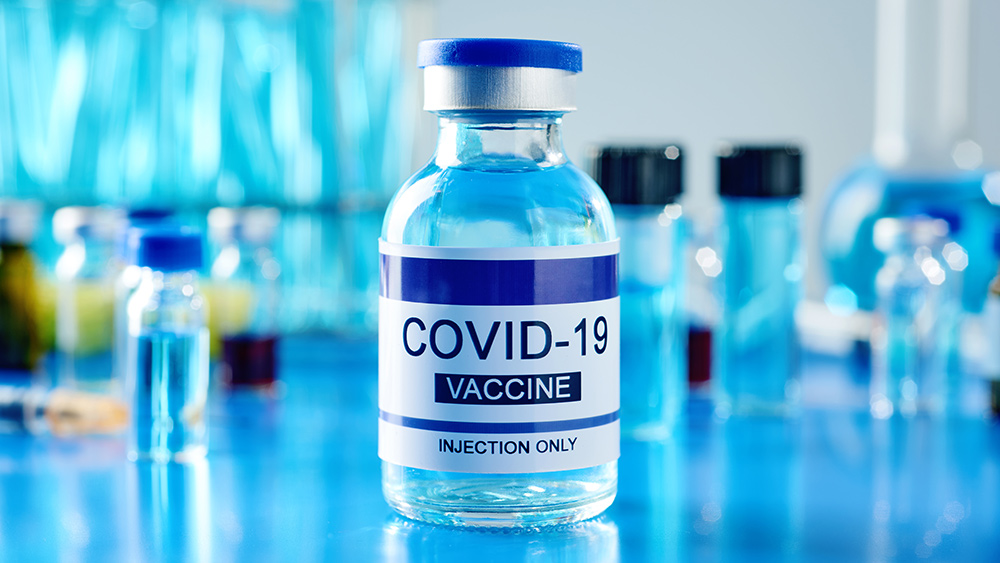
- A peer-reviewed study published in Oncotarget (Jan. 3) analyzed 333 cases of new or rapidly progressing cancers post-vaccination. Days later, the journal's website was hit by a cyberattack, rendering the study inaccessible—suspected to be deliberate censorship.
- A U.S. military study (1.3 million service members) found increased blood cancers post-2021 vaccine rollout. An Italian review (300,000 people) noted elevated thyroid, colon, lung, breast and prostate cancers among the vaccinated. A South Korean analysis (8.4 million individuals) linked multiple booster doses to higher cancer risks.
- Lead researchers (Dr. El-Deiry and Dr. Kuperwasser) emphasized that while causation wasn't proven, the patterns demand urgent, deeper study. Cases included aggressive tumor growth near injection sites and dormant cancers suddenly reactivating post-vaccination.
- The journal reported the attack to the FBI, alleging interference aimed at silencing the study. Dr. El-Deiry condemned the incident as medical censorship, stating: "Censorship is alive and well in the U.S. and it has come into medicine in a big, awful way."
- Critics argue institutions routinely dismiss early vaccine safety concerns (e.g., myocarditis) before later acknowledging risks. The study's disappearance fuels distrust, highlighting potential institutional bias and the dangers of suppressing inconvenient research.
A groundbreaking study examining potential links between Wuhan coronavirus (COVID-19) vaccines and cancer diagnoses was abruptly censored after a cyberattack took down the medical journal hosting it. Published in Oncotarget on Jan. 3, the peer-reviewed review analyzed 69 studies from 27 countries, identifying 333 cases where cancer either emerged or rapidly progressed following vaccination. Days later, the journal's website was hit by a cyberattack, rendering the study inaccessible—an incident the journal suspects was deliberate censorship.
The study's authors, Dr. Wafik El-Deiry of Brown University and Dr. Charlotte Kuperwasser of Tufts University, emphasized that their findings did not prove causation but highlighted concerning patterns warranting further investigation. The attack raises urgent questions about scientific transparency and whether powerful interests are suppressing inconvenient research.
The study compiled data from 2020 to 2025, spanning case reports, retrospective analyses and large-scale population studies. Among the most striking findings:
- A U.S. military study of 1.3 million service members noted increased blood cancers post-2021 vaccine rollout.
- An Italian review of 300,000 people found elevated rates of thyroid, colon, lung, breast and prostate cancers among the vaccinated.
- A South Korean analysis of 8.4 million individuals reported similar trends, with higher cancer risks linked to multiple booster doses.
Some cases described aggressive tumor growth near injection sites or dormant cancers suddenly "waking up" post-vaccination. The authors stressed that while these observations were alarming, they did not establish direct causation—only the need for deeper study.
Cyberattack coincides with study's release
Shortly after publication, Oncotarget's website went offline, displaying a "Bad Gateway" error. The journal reported the incident to the Federal Bureau of Investigation (FBI), alleging interference aimed at suppressing newly published research. El-Deiry took to social media, condemning the attack as censorship: "Censorship is alive and well in the U.S. and it has come into medicine in a big, awful way."
The journal speculated—without direct evidence—that the hacking may be linked to PubPeer, an anonymous research review platform. PubPeer denied involvement, stating: "No officer, employee or volunteer at PubPeer has any involvement whatsoever with whatever is going on at that journal."
The study's authors acknowledged limitations, including short follow-up periods and potential detection biases. However, they argued that dismissing these patterns outright would be irresponsible.
"These findings underscore the need for rigorous epidemiologic, longitudinal, clinical, histopathological, forensic and mechanistic studies," they wrote.
Critics of COVID-19 vaccine safety narratives have long accused institutions of downplaying risks, pointing to past instances where early warnings (such as myocarditis concerns) were initially dismissed before gaining mainstream acknowledgment, BrightU.AI's Enoch notes.
The cyberattack on Oncotarget raises disturbing questions about who stands to lose if vaccine safety discussions are stifled. While the study does not prove vaccines cause cancer, its sudden disappearance fuels suspicions of institutional bias.
For now, researchers and the public await the journal's restoration—and answers about whether this was a random cybercrime or a targeted act of suppression. One thing is clear: In an era where medical trust is fragile, silencing science only deepens the divide.
Watch Del Bigtree discussing the connection between COVID-19 vaccines and cancer below.
This video is from the HaloRock™ channel on Brighteon.com.
Sources include:





Please contact us for more information.