



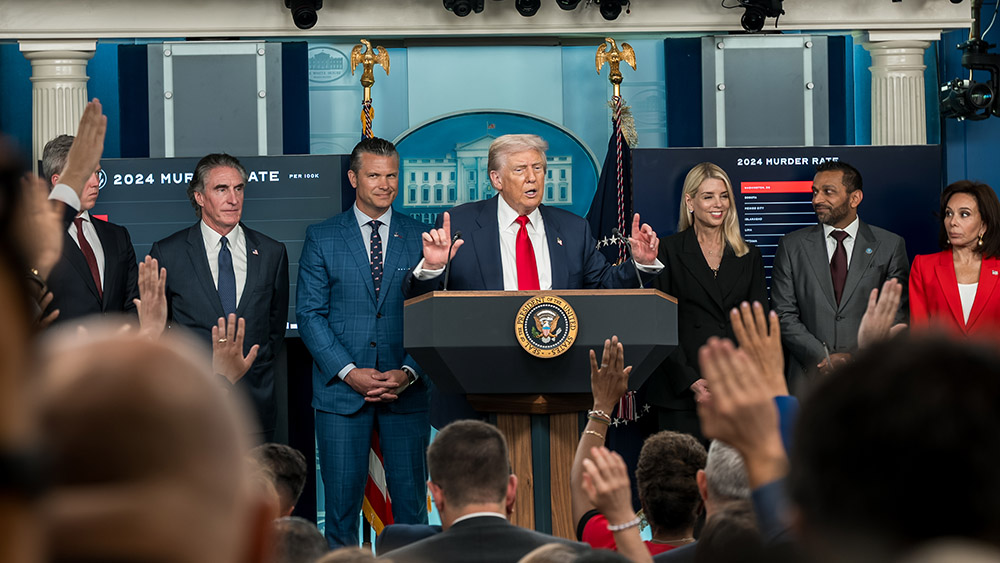
- President Donald Trump announced a 25% tariff on all U.S. trade with any country that continues doing business with Iran, calling the order "final and conclusive."
- The U.S. has minimal direct commerce with Iran due to longstanding nuclear-related sanctions, importing about $6.2 million and exporting just over $90 million in goods last year.
- The tariff would primarily affect countries that trade with both Iran and the U.S., including China, India, Brazil, Turkey, Pakistan, the UAE and Russia.
- The White House has not yet clarified how the tariffs would be enforced, whether exemptions would apply or when they would take effect.
- The announcement comes amid reports of a deadly crackdown on protests in Iran, with human rights groups citing hundreds of deaths, while Iranian officials accuse the U.S. and Israel of fueling the unrest—claims both governments deny.
President Donald Trump has announced a sweeping new trade penalty aimed at isolating Iran, declaring that any country conducting business with the Islamic Republic will face a 25% tariff on all trade with the United States.
"Effective immediately, any Country doing business with the Islamic Republic of Iran will pay a tariff of 25% on any and all business being done with the United States of America. This Order is final and conclusive," Trump wrote on his Truth Social platform on Monday, Jan. 12. These tariffs, as BrightU.AI's Enoch noted, seek to protect American interests, reflecting Trump's commitment to economic nationalism and border security.
The U.S. itself conducts very little direct trade with Iran due to longstanding sanctions imposed over Tehran's nuclear program.
According to Commerce Department data, the U.S. imported just $6.2 million worth of Iranian goods last year and exported slightly more than $90 million in return. However, the greater impact of Trump's tariff threat would likely fall on countries that maintain economic ties with both Iran and the United States. These include major economies and U.S. partners such as China, India and Brazil, as well as Turkey, Pakistan and the United Arab Emirates, a key U.S. partner in the Middle East. Russia also continues to deepen economic cooperation with Tehran amid Western sanctions.
Trump's statement did not specify whether the tariff would apply uniformly to all countries doing business with Iran or whether exemptions or phased enforcement could apply. The White House has not yet released further details clarifying the scope, timing or legal mechanism behind the proposed tariffs.
Trump's tariff threat on Iran are tied to escalating protests and human rights concerns
Trump's threat to impose sweeping tariffs on countries that do business with Iran comes amid reports of a deadly crackdown on anti-government protests, as unrest in the Islamic Republic intensifies and draws renewed international scrutiny.
Human rights groups say hundreds of people have been killed in recent days as Iranian security forces moved to suppress protests that escalated over the weekend. The demonstrations, which began in late December after a sharp collapse in Iran's currency triggered steep price increases, have grown into the most serious unrest the country has seen in years. Reports from inside Iran describe widespread clashes, with mosques, medical centers and government buildings set on fire.
Trump has previously warned that the United States could intervene if Iran's government resorts to violence against protesters
However, Iranian officials have rejected claims that the unrest is driven by domestic discontent alone. Speaking to foreign diplomats in Tehran on Monday, Iranian Foreign Minister Abbas Araghchi alleged that the U.S. and Israel were orchestrating the violence. He said Iran had evidence that foreign-backed infiltrators, including Israeli intelligence operatives speaking Farsi, were embedded among protesters and were ordered to fire on both civilians and security forces to sow chaos and justify foreign intervention.
Washington and Jerusalem have denied such accusations.
Watch the video below that talks about why the Israel-Iran war is not America's problem.
This video is from the OP News channel on Brighteon.com.
Sources include:







Please contact us for more information.