


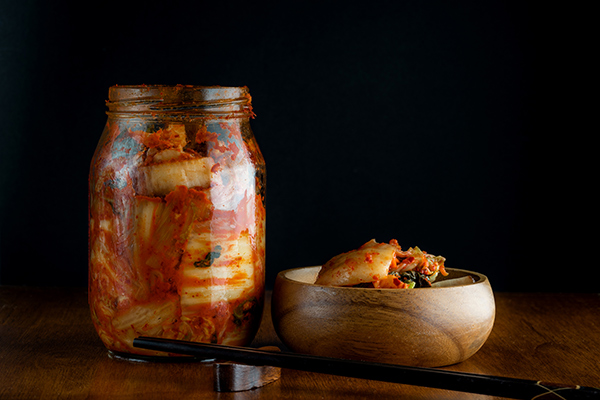
- A new Korean study reveals daily kimchi consumption boosts immune detection and response to infections like the flu.
- Kimchi acts as a precision immune regulator, strengthening defenses while preventing harmful overreactions.
- Fermented with a starter culture, kimchi shows even greater immune-boosting potential than naturally fermented versions.
- Research confirms kimchi enhances gut health, weight management, and may reduce chronic inflammation and cancer risk.
- As flu cases surge, kimchi offers a low-cost, natural alternative to pharmaceuticals with centuries of safe use.
As flu season tightens its grip on the U.S., a traditional Korean dish may offer a simple yet powerful defense. A new study from South Korea’s World Institute of Kimchi suggests that daily consumption of the fermented vegetable mix kimchi could enhance the immune system’s ability to detect and fight infections, including the flu.
The research, published in NPJ Science of Food, followed 39 overweight adults divided into three groups of 13. In the groups that consumed kimchi powder daily for three months, blood tests revealed that participants had higher levels of genes that help the immune system recognize and eliminate threats. Specifically, kimchi appeared to activate antigen-presenting cells, which alert white blood cells to invading pathogens, while also preventing excessive immune responses that can damage healthy tissue.
This discovery comes at a critical time. The CDC reports that flu infections remain high, with 19% of tests still positive and 15 child deaths recorded in just one week. While health officials push vaccinations, the study suggests that kimchi, a $2-per-serving superfood, could provide an additional layer of protection.
A precision regulator for immunity
Unlike synthetic immune boosters, kimchi appears to act as a "precision regulator," strengthening defenses when needed while preventing overreactions. Dr. Woo Jae Lee, lead researcher at the World Institute of Kimchi, stated, “Our research has proven for the first time in the world that kimchi has two different simultaneous effects: activating defense cells and suppressing excessive response.”
The study also found that kimchi fermented with a starter culture (a controlled bacterial strain) produced a stronger immune response than naturally fermented kimchi. This suggests that fermentation methods could be optimized to maximize health benefits.
Beyond gut health: Kimchi’s broader immune impact
While kimchi has long been praised for its probiotic benefits, this study is the first to examine its effects on immune cells at a single-cell level. Previous research linked kimchi to improved gut health, weight management, and even cancer prevention. Now, evidence suggests it may also help regulate immune function, reducing the risk of infections and chronic inflammation.
Michelle Routhenstein, a registered dietitian, noted that since most immune cells reside in the gut, fermented foods like kimchi can play a key role in immune support. “This study showed that after eating kimchi daily for 12 weeks, immune cells became better at spotting potential threats and alerting other immune cells to work more efficiently,” she said.
A natural alternative in a world of synthetic solutions
The findings are particularly relevant amid growing skepticism of pharmaceutical interventions. With concerns over vaccine side effects and the pharmaceutical industry’s influence on regulatory agencies, many are seeking natural ways to strengthen immunity. Kimchi, a centuries-old food, offers a low-cost, accessible option without the risks associated with synthetic drugs.
Although the finding is promising, the study had limitations, including its small sample size. Larger trials are needed to confirm kimchi’s immune-boosting effects. However, given its long history of safe consumption and proven gut health benefits, incorporating kimchi into a balanced diet appears to be a low-risk, high-reward strategy.
As flu season drags on, the study provides a compelling reason to add kimchi to daily meals. Whether as a side dish or ingredient in soups and stews, this fermented superfood could be a tasty way to support immune function without relying solely on pharmaceuticals.
Modern health solutions are often expensive and complex, but kimchi stands out as a reminder that sometimes, the best medicine is the simplest. And with flu cases still climbing, this news couldn't come at a better time.
Sources for this article include:










Please contact us for more information.