







- Most American adults fail to meet the daily magnesium requirement.
- This deficiency increases risk for heart disease, diabetes, and migraines.
- Magnesium is crucial for nerve function, blood pressure, and immune health.
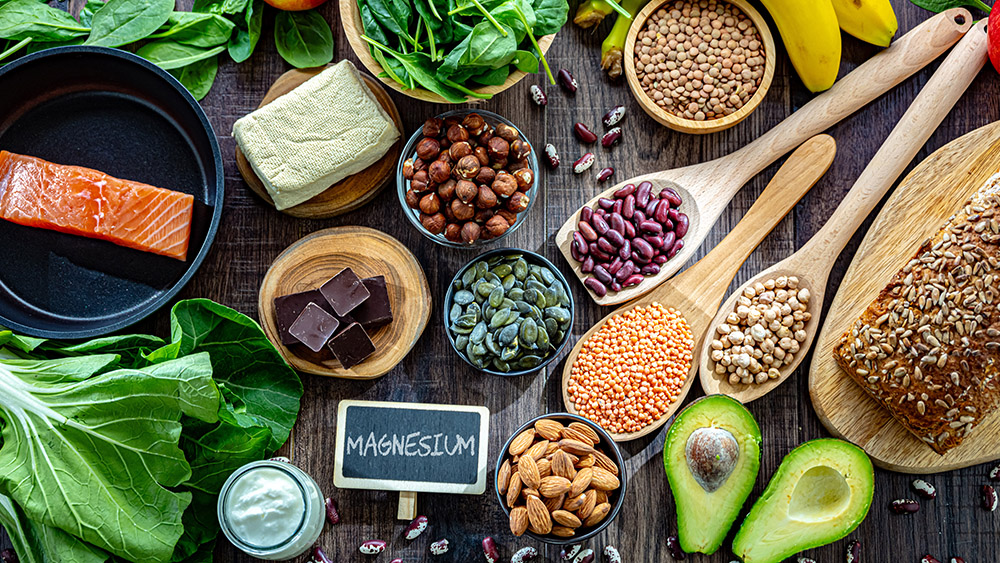
- Excellent sources include pumpkin seeds, almonds, legumes, and leafy greens.
- Choosing whole foods over processed options can correct this widespread shortfall.
You are likely deficient in a mineral that regulates your heartbeat, builds your bones and powers more than 300 bodily functions, and it isn't a rare element found only in supplements. It is magnesium, and a vast majority of American adults are failing to consume enough of it through their daily diets, setting the stage for a host of preventable health crises.
Research confirms most adults in the United States do not meet the daily requirement for magnesium. For most adult women, that is 310 to 320 milligrams; for most men, it is 400 to 420 milligrams. This widespread shortfall occurs despite the mineral's presence in a delicious and varied array of common foods.
The consequences of ignoring this essential nutrient are severe. Magnesium deficiency is linked to an increased risk of heart disease, high blood pressure, type 2 diabetes and migraines. It plays a non-negotiable role in keeping nerves and muscles functioning properly, regulating blood pressure and supporting a robust immune system. Here is a look at some foods that can help you increase your intake.
The power of seeds, nuts and legumes
Fixing the gap does not require a pharmacy visit, but a closer look at your pantry. Some of the most potent sources are seeds and nuts. A single ounce of pumpkin seeds delivers 156 milligrams of magnesium, which is 37 percent of the daily value. Almonds offer 80 milligrams per ounce, and cashews provide 74 milligrams.
Legumes are another powerhouse. A cup of cooked lima beans contains 126 milligrams of magnesium. Black beans provide about 120 milligrams per cooked cup. These foods come with the added benefits of plant protein, iron and cholesterol-lowering fiber.
Don't overlook leafy greens and whole grains
The humble leafy green is a nutritional champion, especially when cooked. While a cup of raw spinach has about 24 milligrams of magnesium, a mere half-cup of cooked spinach packs 78 milligrams. These greens also deliver critical vitamins like A, C and K.
Whole grains like quinoa and brown rice are also excellent choices. One cup of cooked quinoa provides 118 milligrams of magnesium. Fatty fish, often praised for omega-3s, also contribute; a cooked portion of Atlantic mackerel has 83 milligrams.
Great news for chocolate lovers
For those who enjoy the deep, rich flavor of dark chocolate, there is good news. One ounce of dark chocolate with 70 to 85 percent cocoa solids contains about 65 milligrams of magnesium, alongside heart-healthy flavonoids. It is a testament to how correcting a deficiency can be both simple and enjoyable.
Other accessible sources include firm tofu, avocados, bananas and yogurt. A cup of plain yogurt contains 42 milligrams of magnesium. Even tap or mineral water can contribute, with amounts varying by the source.
The historical context makes this modern deficiency more alarming. Our ancestors consumed diets naturally rich in whole, mineral-dense foods. Today, the prevalence of processed foods, which are often stripped of magnesium during refinement, is a primary driver of the national shortfall. This shift in eating patterns has created a hidden nutrient gap with real health costs.
Addressing this gap requires intentional eating. Experts suggest meals like salmon with brown rice and a kale salad, or a snack of almonds and a square of dark chocolate. It is about choosing whole foods over processed alternatives.
Ultimately, the widespread neglect of magnesium intake is a self-inflicted wound on the public's health, and it's one that is easily healed by returning to foundational, nutrient-rich foods.
Sources for this article include:












Please contact us for more information.