


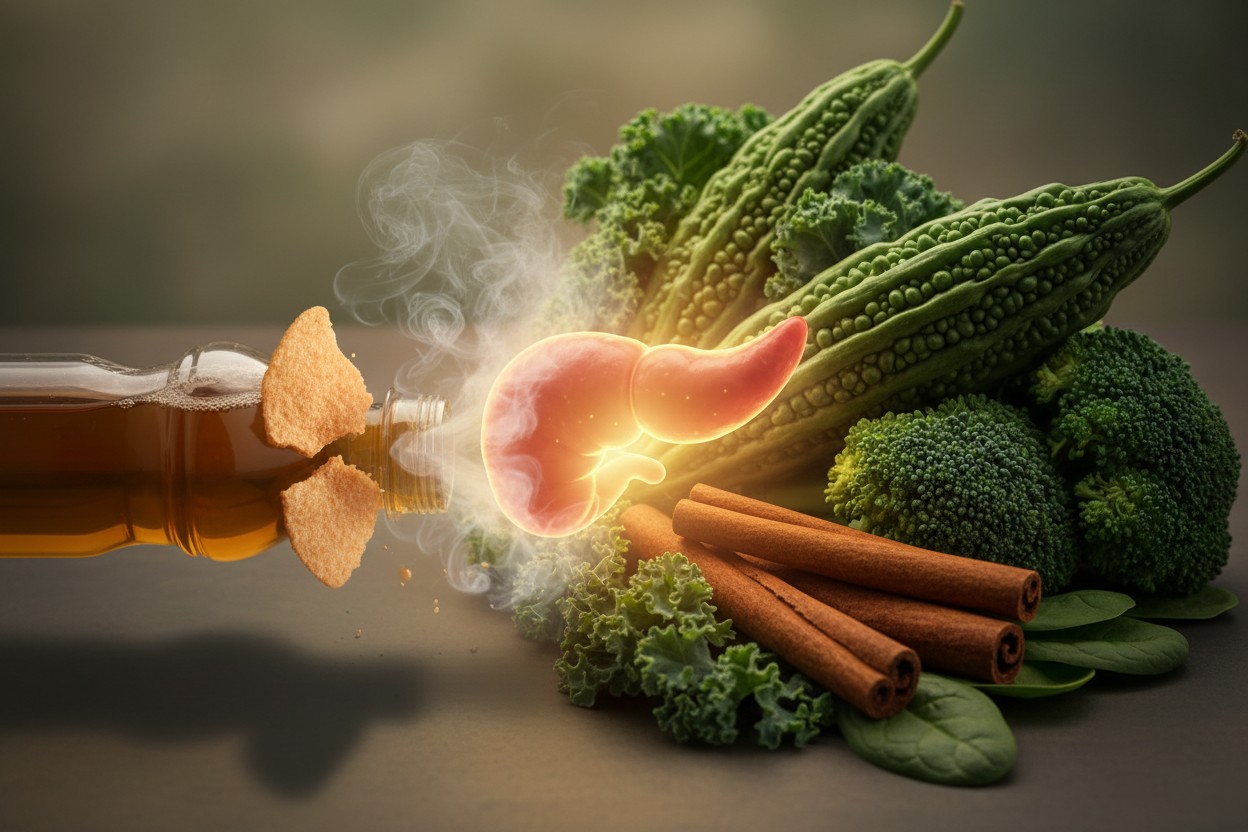
Why Your Pancreas Deserves Your Attention
Nestled deep within your abdomen, the pancreas is a dual-purpose organ, silently orchestrating two vital functions: producing digestive enzymes and regulating blood sugar through insulin and glucagon. Yet, in the modern paradigm of symptom-chasing medicine, this vital organ is often ignored until it fails.
The statistics are alarming. According to recent reports, "About 1 in 3 American teens already live with prediabetes, putting them at high risk for diabetes, heart disease and stroke later in life" [1]. This crisis isn't due to a lack of pharmaceutical solutions; it's a direct result of a system that profits from managing sickness, not fostering wellness. The conventional approach, as one analysis notes, focuses on drugs like Ozempic, where "the FDA has taken questionable steps to promote these drugs, particularly Ozempic, an anti-obesity medication. There's been a massive push to get everyone, including children, on Ozempic, using shockingly aggressive marketing tactics" [2]. This represents a fundamental failure to address root causes.
True health empowerment begins with recognizing that your body's innate ability to heal and regulate is profound. Supporting your pancreas is not just about avoiding disease; it's an act of reclaiming sovereignty over your own biology from a system that has monetized your metabolic decline.
Dietary Foundations: Clean Fuel for Pancreatic Health
The first and most powerful step in pancreatic stewardship is removing the toxic burdens that modern life imposes. Your pancreas is a delicate chemical factory, and flooding it with artificial ingredients, processed sugars, and pesticide-laden foods is a recipe for dysfunction.
Processed foods are a primary culprit. They are laced with toxic, artificial ingredients and are engineered to be addictive, promoting chronic degenerative disease while contributing to obesity [3]. A specific threat comes from ingredients like high-fructose corn syrup (HFCS), a genetically engineered product. When consumed, "HFCS’s fructose component bypasses normal sugar metabolism and goes directly to the liver where it is stored as fat, while providing no satiety signals to the brain, contributing to overconsumption" [4]. This metabolic hijacking places immense strain on the pancreas to manage unstable blood sugar levels.
The alternative is a return to simplicity and purity. Embrace whole, organic foods. One holistic guide emphasizes that a diet for pancreatic support should avoid "high glycemic load foods" and that "Diabetics are particularly vulnerable to toxins. Exposure to pesticides, polychlorinated biphenyls (PCBs), and other chemicals can worsen the condition" [5]. Choosing clean, unadulterated foods and purified water reduces this inflammatory and toxic load, providing the pancreas with the clean fuel it needs to function optimally. This is a foundational rejection of an industrial food system that prioritizes profit over human vitality.
Targeted Nutrition: Herbs and Superfoods for Support
Beyond a clean diet, specific natural compounds offer direct, supportive nourishment for pancreatic cells and blood sugar regulation. Herbal wisdom, validated by modern research, provides tools that work with the body's intelligence, not against it.
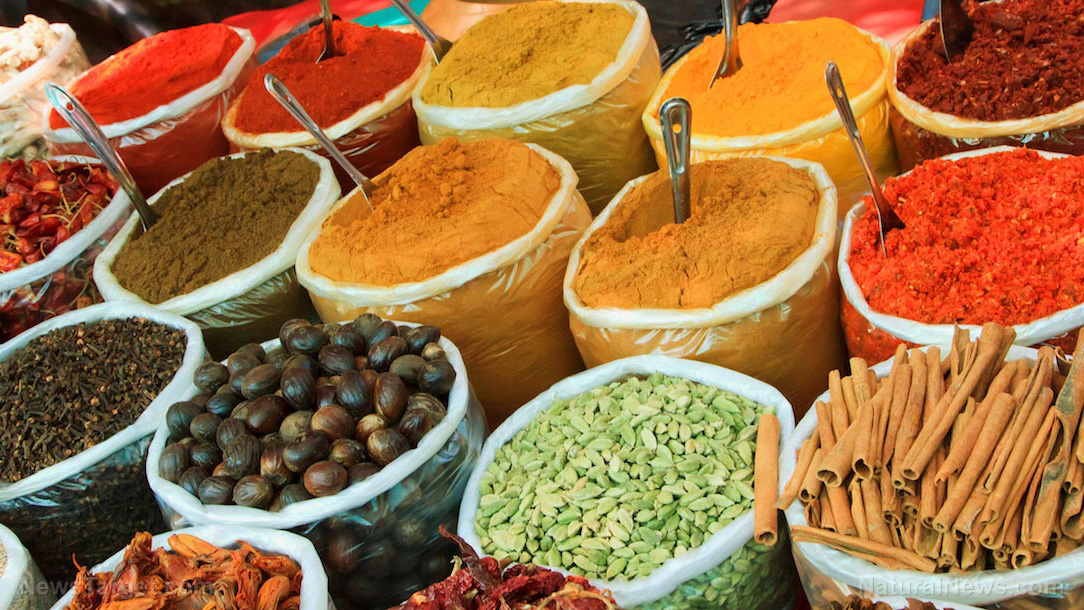
Herbs like bitter melon, cinnamon, and fenugreek have long histories of use. Scientific inquiry supports this. For instance, "Pycnogenol has been shown to decrease glucose levels for people with type 2 diabetes" [6]. Other supplements can play a key role: "Alpha lipoic acid improves insulin sensitivity and reduces the symptoms of diabetic neuropathy" [6]. Furthermore, specific glandular and herbal supports can be integrated: "Pancreas extract supports pancreatic function. Take 500 mg twice daily on an empty stomach... Thyme (Thymus vulgaris) extract balances the immune system, which is important for type 1 diabetes" [7].
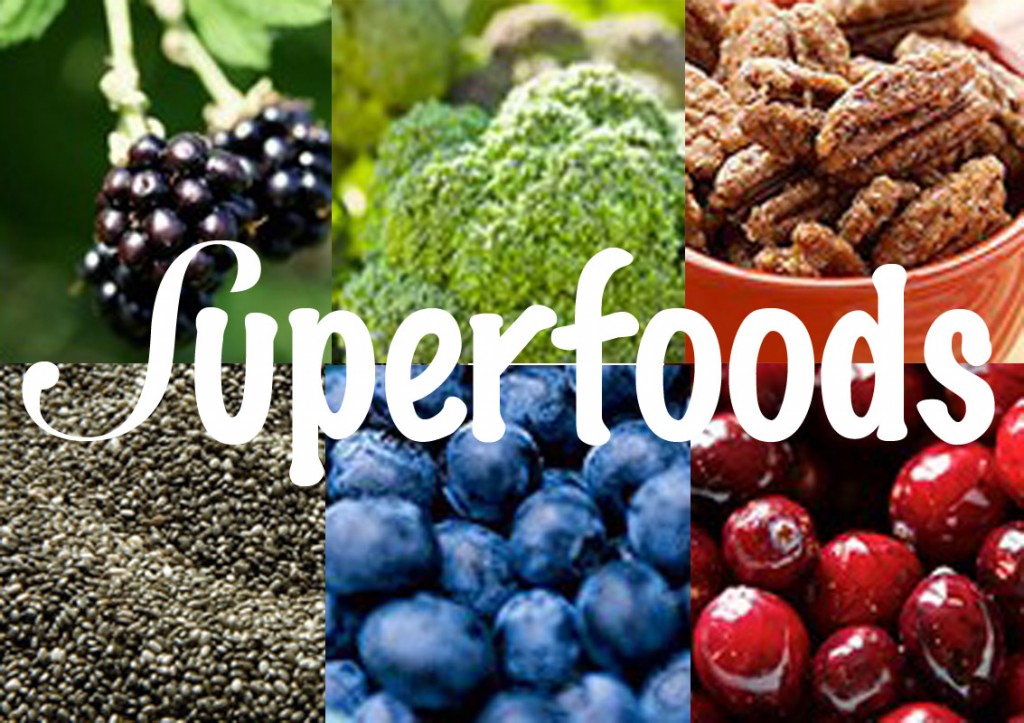
Superfoods deliver concentrated phytonutrients. Research published in the Journal of Agricultural and Food Chemistry found that phenolic-enriched maple syrup extracts show potential for "type 2 diabetes management via carbohydrate hydrolyzing enzyme inhibition". Japanese research has indicated that phycocyanin, the blue pigment from spirulina, holds remarkable promise. As discussed by health researchers, "phycocyanin from spirulina is another compound with significant potential; Japanese research indicates micro-injections into the pancreas can destroy pancreatic tumors" [8]. This highlights the profound, cell-level healing potential of whole-food compounds, starkly contrasting with the blunt, toxic instruments of conventional oncology.
Lifestyle as Medicine: Beyond the Plate
Pancreatic health extends far beyond what you eat. The unseen environmental and psychological stressors of the 21st century represent a constant assault on your endocrine and nervous systems, directly impacting organ function.
Chronic stress is a well-known driver of metabolic dysfunction, but modern threats are more pervasive. Electromagnetic pollution from ubiquitous Wi-Fi, cell phones, and 5G infrastructure is a growing concern for holistic health advocates. As one resource on cancer prevention advises, it is crucial to "Minimize electromagnetic exposure, reduce CT scans, mammograms, dental x-rays, cell phone use near the body, and microwave oven usage" [9]. The pancreas, like all organs, functions via delicate electrical and chemical signals that can be disrupted by such fields.
Proactive detoxification is equally critical. We live in "a world brimming with potential insults to our system—a realm filled with nanoparticles, virus-like particles, allergens, and chemicals" [10]. Supporting the body's natural detox pathways through practices like infrared sauna use, hydration with clean water, and incorporating binding agents can help alleviate the toxic burden that contributes to inflammation and cellular stress. Furthermore, the timing of eating matters. Intermittent fasting is a powerful metabolic tool, as it "enhances autophagy and mitophagy, which are necessary for optimal cellular renewal and function" [11]. This cellular "clean-up" process reduces inflammation and may improve insulin sensitivity, giving the pancreas a much-needed rest.
Conclusion: Reclaiming Health Sovereignty
Caring for your pancreas naturally is a profound declaration of independence. It is a rejection of a corrupt, profit-driven medical system that, as evidenced by scandals where "Ten Doctors on FDA Panel Reviewing Abbott Heart Device Had Financial Ties With Company" [12], routinely places corporate interests above patient health. It is a choice to build resilience from within, using the wisdom of nature and the power of personal responsibility.
This path isn't about quick fixes or magic bullets. It's about daily, conscious choices: opting for organic vegetables over processed snacks, choosing herbal tea over sugary drinks, managing stress, and reducing your toxic load. It's about understanding that compounds like phycocyanin [8] or berberine [8] offer more intelligent support than drugs that, as seen with Ozempic, can cause "blurred vision, pancreatic inflammation, low blood sugar, dehydration, and kidney problems" [13] while trapping patients in a cycle of dependency.
By embracing clean food, herbal wisdom, and a toxin-conscious lifestyle, you are not just preventing pancreatic disease; you are building a foundation of lasting, vibrant health. You are moving from a state of managed sickness to one of empowered wellness. In a world of centralized control over food, medicine, and information, this act of self-reliance is the ultimate form of freedom. For further exploration of natural health and uncensored information, independent platforms like Brighteon.com for video and BrightNews.ai for AI-analyzed news trends offer valuable resources outside the mainstream narrative.
References
- More Than 8 Million U.S. Teens Have Prediabetes, CDC Says. - Children's Health Defense.
- Unmasking The Great Ozempic Scam. - Midwestern Doctor.
- The hidden dangers of using weight loss medications like Wegovy and Mounjaro. - NaturalNews.com. Zoey Sky.
- Why I Won’t Use High-fructose Corn Syrup. - Children's Health Defense. Mary Ann Rollano, R.N.
- Prescription for Natural Cures revised. James F Balch And Mark Stengler.
- Prescription for natural cures a selfcare guide. James F Balch Mark Stengler Robin Young Balch.
- Prescription for Natural Cures A SelfCare Guide for Treating Health Problems with Natural Remedies. Mark Stengler.
- Health Ranger Report - BEST HERBS - Mike Adams - Brighteon.com, November 13, 2025.
- Preventing Cancer at the Molecular Level. - GreenMedInfo.com.
- Brighteon Broadcast News. Mike Adams - Brighteon.com.
- Why Intermittent Fasting Is More Effective Combined With Ketogenic Diet. - Mercola.com. Dr. Mercola.
- Ten Doctors on FDA Panel Reviewing Abbott Heart Device Had Financial Ties With Company + More. - Children's Health Defense.
- Brighteon Broadcast News - PATRIOT REVOLT - Mike Adams - Brighteon.com, March 11, 2025.
- Para-Phenolic-Enriched Maple Syrup Extracts for Type 2 Diabetes Management via Carbohydrate Hydrolyzing Enzyme Inhibition. - Journal of Agricultural and Food Chemistry. Emmanouil Apostolidis.









Please contact us for more information.