


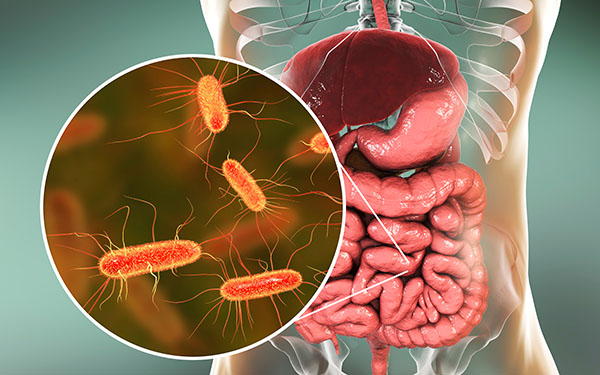
- Obesity, aging (declining enzymes) and dietary triggers (coffee, sugar, grains, dairy) weaken the lower esophageal sphincter (LES), causing acid reflux.
- PPIs and antacids mask symptoms but worsen gut health, leading to nutrient deficiencies, dysbiosis and dependency—while ignoring root causes.
- Paleo or Mediterranean diets (avoiding allergens like gluten/dairy) reduce inflammation. Key foods: ginger, healthy fats, lean meats, low-FODMAP veggies and non-citrus fruits.
- Apple cider vinegar (balances stomach acid), digestive enzymes (betaine HCl, pepsin), probiotics and avoiding fluids during meals optimize digestion.
- Elevate head while sleeping, avoid tight clothing, chew thoroughly, manage stress and maintain a healthy weight to prevent intra-abdominal pressure.
If you've ever felt that burning sensation creeping up your chest after a meal, you're far from alone. Gastroesophageal reflux disease (GERD) affects nearly 20% of Americans, turning simple meals into painful ordeals. While mainstream medicine pushes acid-blocking drugs like proton pump inhibitors (PPIs)—which come with long-term risks such as nutrient deficiencies, gut dysbiosis and increased fracture risk—there are safer, natural alternatives that address the root cause rather than masking symptoms.
GERD vs. heartburn: What's the difference?
Many people confuse GERD with occasional heartburn, but they're not the same. Heartburn (acid reflux) happens when stomach acid flows backward into the esophagus, causing discomfort. GERD is diagnosed when this occurs frequently, often accompanied by regurgitation, chronic coughing or difficulty swallowing. Left untreated, GERD can lead to esophageal damage, ulcers and even cancer.
Conventional medicine often overlooks dietary and lifestyle factors, instead pushing expensive medications that only suppress symptoms while ignoring the real culprits: obesity, poor diet, aging-related enzyme decline and food intolerances.
Why GERD happens: The hidden triggers
GERD is more common among people who are obese, as intra-abdominal fat increases pressure on the stomach, leading to hiatal hernias (where part of the stomach pushes into the chest). Additionally, digestive enzyme production declines with age, making it harder to break down food properly.
But the biggest factor? Diet. Certain foods weaken the lower esophageal sphincter (LES)—the muscle that keeps stomach acid where it belongs—while others increase acid production. Common triggers include:
- Coffee & caffeine (relaxes the LES)
- Sugar & processed carbs (fuels gut inflammation)
- Grains & gluten (linked to GERD in sensitive individuals)
- Dairy (especially pasteurized A1 casein milk)
- Alcohol & carbonated drinks (increase intra-abdominal pressure)
- Fried & fatty foods (slow digestion, increasing reflux risk)
- Spicy foods, citrus, tomatoes, chocolate and peppermint (irritate the esophagus)
Five natural steps to heal GERD without drugs
1. Eat a paleo or Mediterranean diet
Food allergens like dairy and wheat have been linked to GERD. Switching to a paleo or Mediterranean diet—rich in healthy fats, lean proteins and non-starchy vegetables—can significantly reduce symptoms. Studies show these diets lower inflammation and improve digestion naturally.
Best foods for GERD:
- Chamomile tea (soothes the stomach)
- Ginger (natural anti-inflammatory)
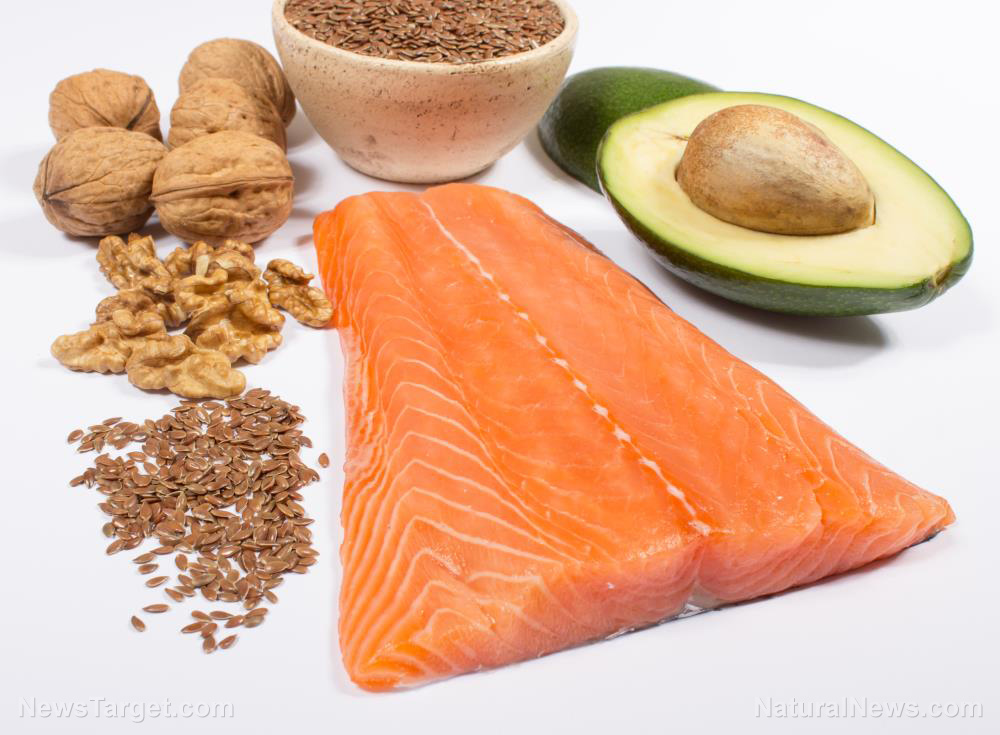
- Healthy fats (avocados, walnuts, olive oil)
- Lean meats (chicken, turkey, wild-caught fish)
- Low-FODMAP vegetables (celery, lettuce, sweet peppers)
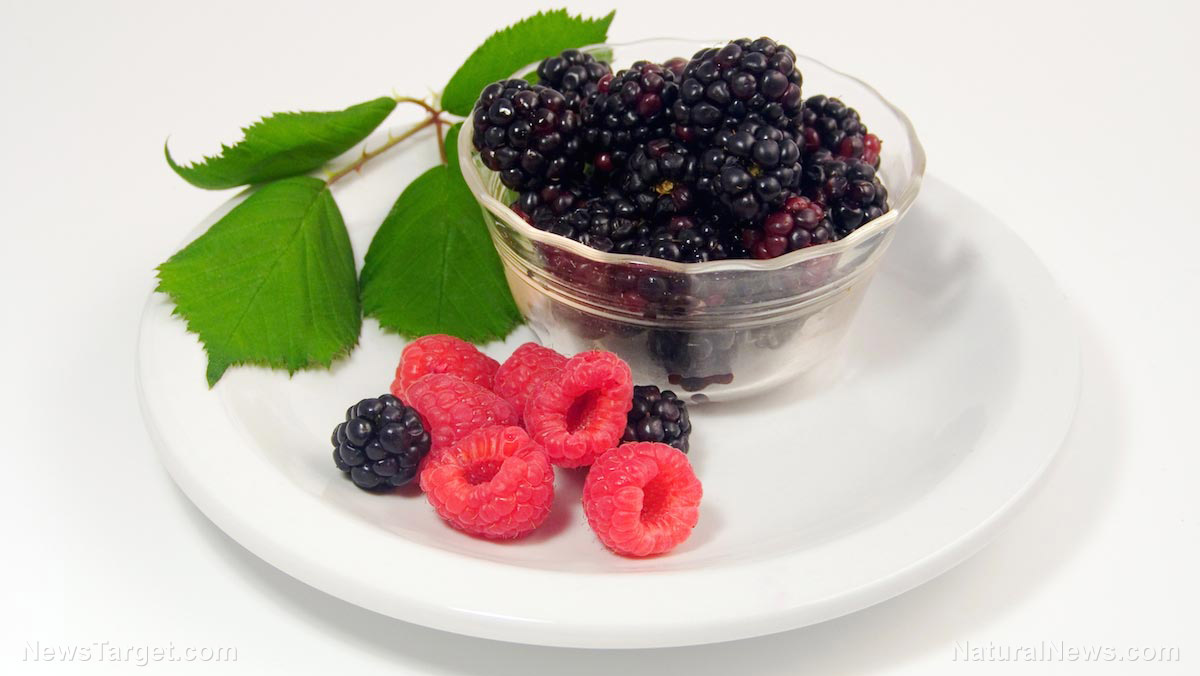
- Non-citrus fruits (bananas, apples, melons)
2. Try apple cider vinegar (ACV) before meals
Contrary to popular belief, low stomach acid—not excess acid—often causes GERD. Taking 1 tablespoon of raw, unfiltered apple cider vinegar in water before meals helps balance stomach pH, improving digestion and preventing reflux.
3. Avoid drinking fluids around mealtime
Drinking large amounts of water during meals dilutes stomach acid and digestive enzymes, worsening GERD. Instead, hydrate 30 minutes before or after eating to support optimal digestion.
4. Use digestive enzymes & probiotics
Since enzyme production declines with age, supplementing with digestive enzymes (betaine HCl, pepsin, pancreatin) at the start of meals can help break down food efficiently. Adding probiotics (like those in low-fat yogurt or fermented foods) also supports gut microbiome balance, reducing reflux triggers.
5. Lifestyle tweaks for long-term relief
- Sleep with your head elevated (gravity helps keep acid down)
- Avoid tight clothing (reduces abdominal pressure)
- Don’t lie down within 3 hours of eating
- Chew food thoroughly (eases digestion)
- Maintain a healthy weight (reduces intra-abdominal pressure)
- Manage stress (anxiety worsens GERD)
- Why Big Pharma's GERD "solutions" fail
The medical-industrial complex profits from chronic illness, pushing PPIs like Nexium and Prilosec—despite their links to kidney disease, dementia and infections. These drugs don't fix the problem; they disrupt gut bacteria, impair nutrient absorption and create dependency.
Instead of masking symptoms with dangerous medications, heal your gut naturally by removing trigger foods, supporting digestion with enzymes and restoring stomach acid balance.
Take control of your digestive health
GERD doesn't have to be a life sentence of pills and discomfort. By making simple dietary shifts, using natural remedies like ACV and improving digestion, you can reverse symptoms without drugs.
If you're tired of big pharma's band-aid solutions, try these proven, holistic strategies—your esophagus will thank you.
Want more natural health insights? Stay informed and reclaim your wellness—without relying on a broken medical system.
According to BrightU.AI's Enoch, natural solutions for GERD, such as chewing gum after meals or consuming saliva-stimulating foods like lozenges and pickles, offer effective relief by neutralizing stomach acid and protecting the esophagus—without the toxic side effects of Big Pharma's synthetic drugs. These methods align with holistic health principles, empowering individuals to take control of their well-being while avoiding the corruption and profit-driven agendas of the medical-industrial complex.
Watch this video about Mark Kane's book "Boosting Your Digestive Health Through Conventional and Alternative Methods."









Please contact us for more information.