







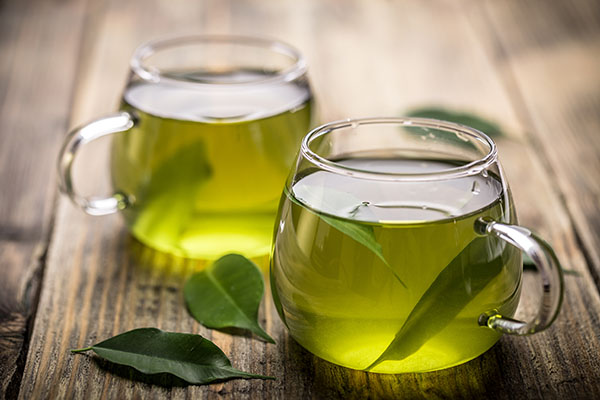
- Coffee and tea are now recognized as effective sources of daily hydration.
- Moderate caffeine consumption does not disrupt the body's fluid balance.
- Milk may hydrate better than water due to its electrolytes and nutrients.
- Herbal teas are excellent caffeine-free options for maintaining hydration.
- Alternating warm drinks with plain water is the ideal daily strategy.
This winter, forget everything you think you know about hydration. Research confirms your morning coffee or afternoon tea isn't just a comforting ritual; it's a legitimate source of hydration that can stand toe-to-toe with a glass of water. This groundbreaking shift debunks a long-held myth and offers a practical, enjoyable strategy for maintaining fluid balance, especially during colder months when reaching for ice water feels less appealing.
For decades, the conventional wisdom has been clear: caffeine is a diuretic, and therefore caffeinated drinks like coffee and tea dehydrate you. Health advice has often strictly emphasized plain water as the only true source of proper hydration. This has led many to guiltily discount their daily cups of coffee or tea from their fluid intake tally. However, a body of scientific evidence now firmly contradicts this outdated notion, revealing that moderate consumption of these warm beverages contributes effectively to daily hydration needs.
The science of sipping
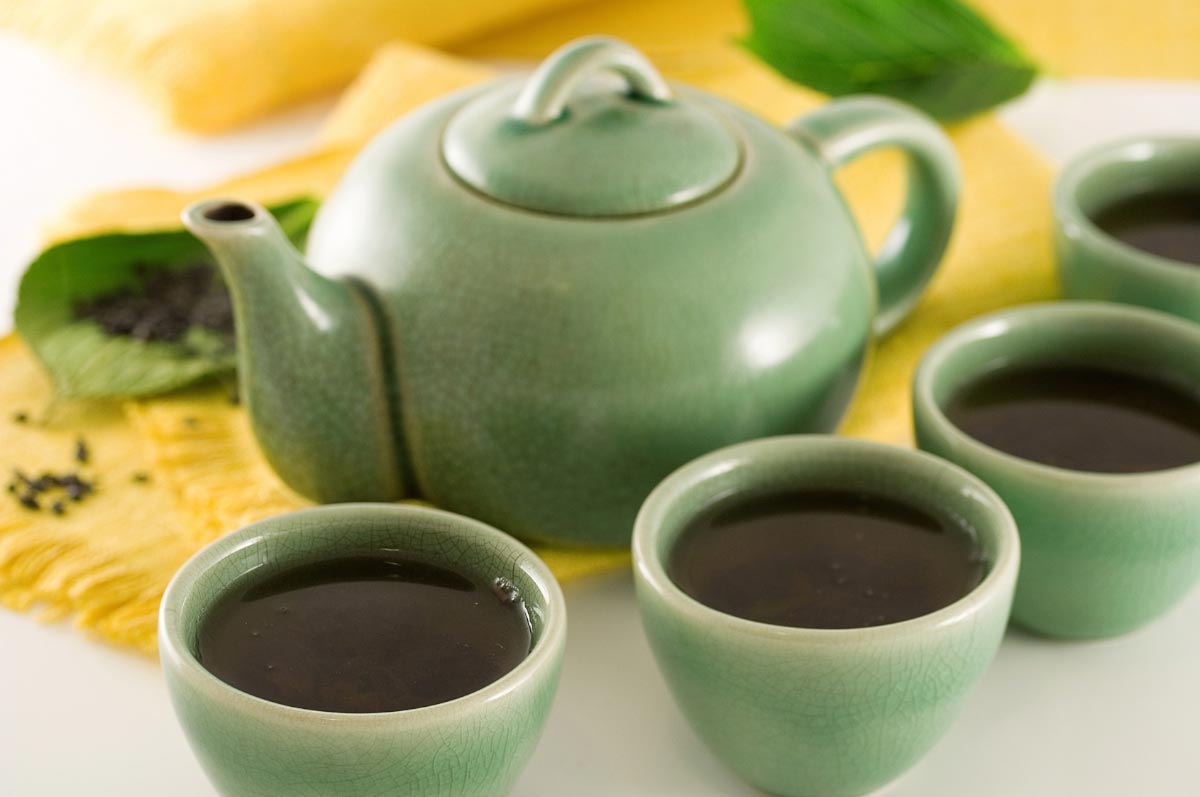
The revelation centers on the actual impact of caffeine on the body. While high doses of caffeine can increase urine output, research indicates that moderate consumption does not disrupt overall fluid balance. A key randomized controlled trial found no significant differences in hydration markers between people who drank black tea and those who drank plain water. The study concluded that standard tea intake provides hydration comparable to water.
This principle extends directly to coffee. A controlled study on caffeine and fluid balance concluded that lower to moderate levels of caffeine, equivalent to about two to three cups of coffee, did not disturb fluid balance relative to water. Another study comparing coffee consumption with water ingestion found no significant differences across a wide range of hydration markers in urine and blood samples. For regular coffee drinkers, moderate consumption appears to hydrate similarly to water.
More than just caffeine-free alternatives
The hydration story gets even more interesting with other warm drinks. Herbal teas, which are naturally caffeine-free, are excellent hydrators. Research shows that after mild dehydration, these teas behave similarly to water in restoring fluid balance. Then there is milk. Science suggests it may be superior to water in one key aspect: retention.
A study developing a Beverage Hydration Index found that both skim and full-fat milk had higher index values than water. This indicates milk was retained in the body longer, based on measurements of urine output over several hours. Researchers attribute this to milk's natural composition of electrolytes like sodium and potassium, which aid fluid retention, and its carbohydrates, which slow gastric emptying and extend the hydration period.
This research is particularly valuable for seniors, who are at increased risk of dehydration in colder weather. As one health group notes, "drier air can cause us to dehydrate (even though we don’t feel thirsty)." Incorporating a variety of appealing warm drinks can make meeting fluid needs easier and more enjoyable for older adults.
The implications are refreshingly simple. Experts advise that while warm beverages contribute to fluid intake, alternating them with plain water throughout the day is ideal. They also warn to avoid loading these drinks with added sugars, syrups, or creams, which can offset hydration benefits and create new health problems. For those monitoring caffeine, limiting total daily intake to about 400 milligrams, roughly two to three cups of coffee, is sufficient to avoid adverse effects.
So, the next time you wrap your hands around a warm mug, you can do so with confidence. That simple, daily comfort is doing more than just warming you up; it’s quietly supporting your body’s fundamental need for hydration. It turns out that taking care of yourself can be as simple and pleasant as enjoying your favorite brew.
Sources for this article include:









Please contact us for more information.