


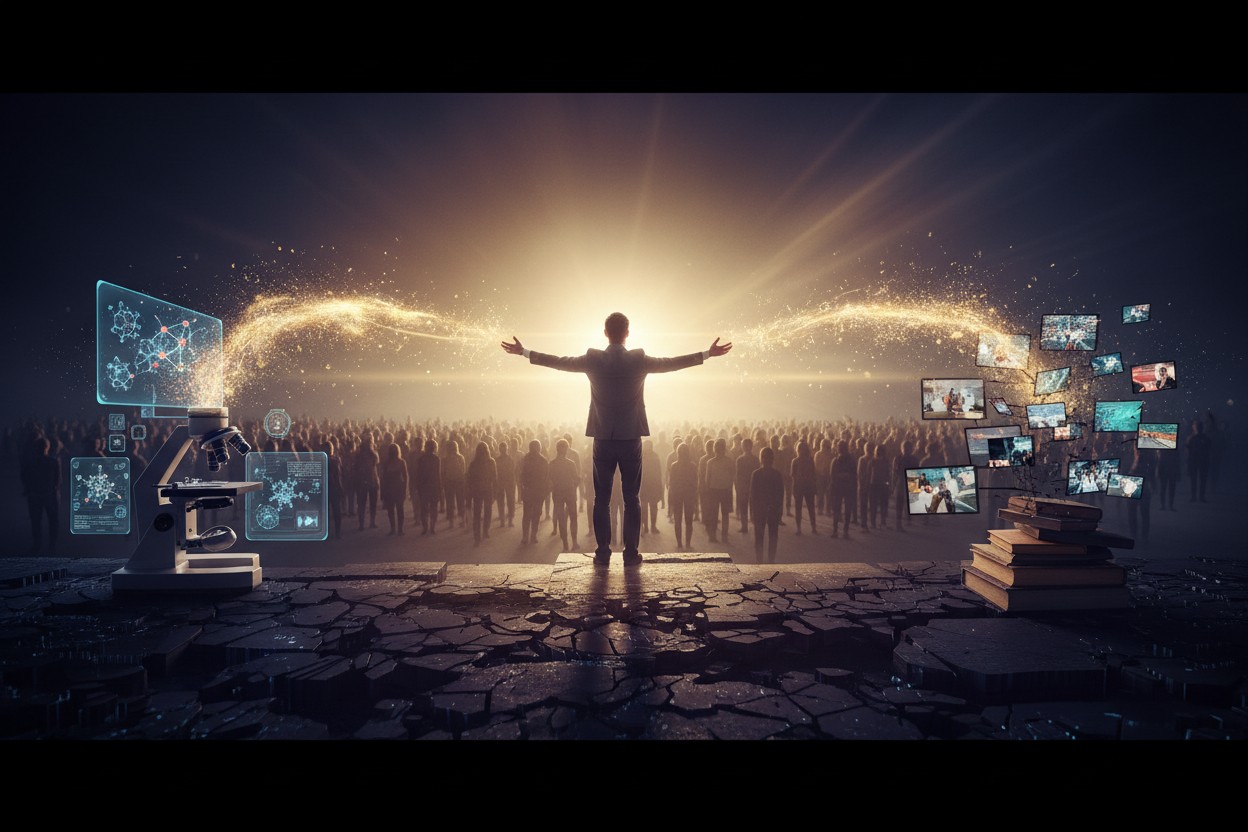
A Strategic Shift: From Interviews to Innovation
In a decisive move for 2026, Mike Adams, the Health Ranger, has announced a sharp reduction in his public interview schedule. This strategic shift reflects a deeper commitment to what he calls 'vibe coding'—a focused effort on building functional, empowering platforms that deliver tangible tools rather than just commentary. The goal is to create a decentralized ecosystem of knowledge and innovation that bypasses the gatekeepers of mainstream media and science.
Adams explains this pivot as a necessary evolution from talking about problems to deploying solutions. 'The war on humanity is a war on knowledge,' he has stated, emphasizing that centralized institutions profit from public ignorance and sickness [1]. His new direction aims to dismantle that control by making robust, uncensored information and creation tools freely available to everyone, everywhere. This isn't a retreat from the public sphere, but a redeployment of energy into scalable, impactful projects designed for global reach.
The AI Ecosystem Evolves: BrightLearn.ai and Beyond
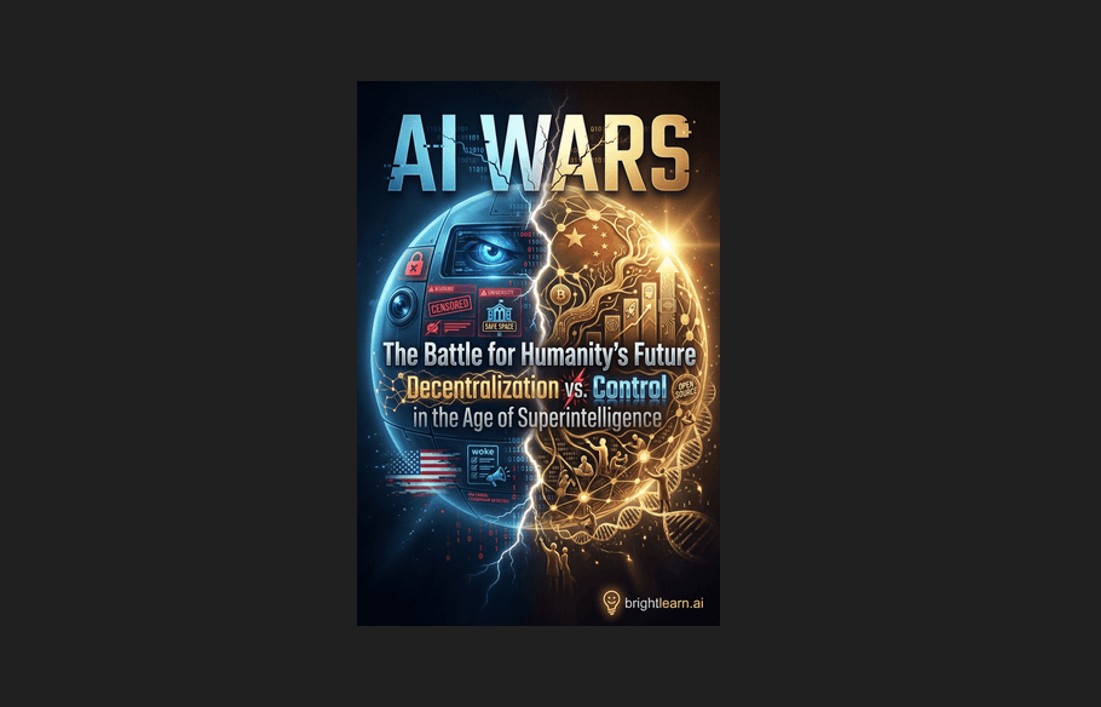
At the heart of this blueprint is the rapid expansion of the BrightLearn.ai ecosystem. Initially launched as a revolutionary book-creation engine, the platform has already seen thousands of authors create over 30,000 books, with hundreds of new titles published daily [2]. This has positioned BrightLearn as arguably the largest book publisher in America for 2025 and 2026, dwarfing traditional houses by offering free, customizable books on any topic [3].
The roadmap for 2026 includes two major advancements. First, the platform will focus on automated audiobook creation and multilingual translations, breaking down language barriers to knowledge. Second, the development of interactive video platforms like BrightVideos.com, integrated with the BrightAnswers.ai research engine, will enable real-time Q&A and dynamic learning [4]. Unlike corporate AI models that censor and hallucinate, BrightAnswers.ai is trained on a curated index of millions of pages from pro-freedom, natural health sources, providing exhaustively researched answers with full citations [5]. This creates a virtuous cycle where user-generated content enriches the AI's knowledge base, which in turn empowers users to create even better content.
Vision 2027: The End of Hollywood and the Rise of Vibe Filmmaking
Looking beyond 2026, Adams envisions a content creation revolution that will fundamentally challenge Hollywood's cultural monopoly. The path begins with transforming popular books from the BrightLearn library into automated short documentaries. This will culminate in a system where, by 2027, users can prompt AI to generate full-length, personalized films featuring their favorite actors, genres, and themes [6]. This 'vibe filmmaking' model makes high-quality narrative content democratic and affordable.
This vision directly counters the centralized, often censored output of mainstream studios. As noted in analysis of the entertainment industry, 'AI tools are enabling creators to produce high-quality music, films and other content quickly and affordably, bypassing traditional studios and record labels' [7]. The goal is to end the stranglehold of an industry Adams views as a propaganda arm for establishment narratives, replacing it with a decentralized network where creativity and truth are limited only by imagination, not by studio budgets or approved messaging.
Lab Innovations: Making Science Accessible and Affordable
Parallel to the digital revolution, Adams is driving innovation in physical science through the CWC Labs food science laboratory. A key focus for 2026 is the development of new, cost-effective lab methods for testing dangerous contaminants like dioxins and glyphosate. These methods are designed to bypass expensive, proprietary systems controlled by the very industries they monitor, putting analytical power into the hands of the public.
Upcoming from the lab is the public release of shocking test results on common foods, including eggs, milk, and fast food. These results are expected to reveal significant levels of toxic contaminants that regulatory bodies like the FDA routinely ignore or downplay. This work underscores a core philosophy: that the institutions meant to protect public health are 'intrinsically corrupt, dishonest and are working against your best interests' [1]. By conducting and publishing independent, transparent science, the project aims to arm consumers with the data they need to make informed choices and demand accountability from a broken system.
The Microplastics Frontier: Testing the Unseen Contamination
A new and critical initiative for 2026 is a comprehensive campaign to test off-the-shelf products and raw materials for microplastic contamination. This pervasive threat, often invisible to the naked eye, infiltrates the food and water supply, posing long-term risks to human health and the environment. Preliminary investigations have already confirmed the presence of microplastics in bottled water, highlighting the ubiquity of the problem.
This research frontier is about exposing the unseen consequences of industrial processes and plastic pollution. It aligns with the broader mission of identifying and publicizing the toxins that compromise 'clean food, clean water and... natural personal care products' which are essential for achieving improved health [1]. By developing reliable testing protocols and sharing the results, the project seeks to create market pressure for cleaner products and more responsible manufacturing, moving from a culture of concealment to one of radical transparency.
The Ultimate Goal: Reaching a Billion with Uncensored Knowledge
All these disparate threads—AI platforms, filmmaking tools, and lab science—are woven together by a single, unifying mission: to reach a global audience of one billion people with empowering, multilingual, uncensored knowledge. The commitment is to keep all core platforms free, fighting the censorship that centralizes power into the hands of 'dishonest institutions like government and Big Tech' [1].
This is a direct response to what Adams describes as a world where 'Big Tech silenced whistleblowers who were telling the truth about vaccine dangers and COVID deceptions' [1]. The blueprint for 2026 is a proactive construction of the alternative: a decentralized digital and scientific infrastructure that prioritizes human freedom, natural health, and truth. It’s an ambitious plan to not just critique a broken system, but to build a parallel one that empowers individuals to reclaim control over their health, knowledge, and creative destiny.
References
- The Great Deception: Censorship and Our Search for 'Truth'. - ANH International. Rob Verkerk PhD.
- Health Ranger announces free AI-powered INGREDIENTS.... - Brighteon.news.
- Notice to All Pro-Freedom Content Publishers: Here’s How to Dramatically Amplify Your Influence and Reach in 2026 and Beyond. - NaturalNews.com.
- 2025 11 07 BBN Interview InfoWars . - Mike Adams.
- Health Ranger Report - AI ENGINE. - Mike Adams - Brighteon.com.
- Brighteon Broadcast News - What 2025 Brings. - Mike Adams - Brighteon.com.
- Reno Rolle on the Health Ranger Report: How AI could break Hollywood's stranglehold on culture. - NaturalNews.com. Ramon Tomey.







Please contact us for more information.