


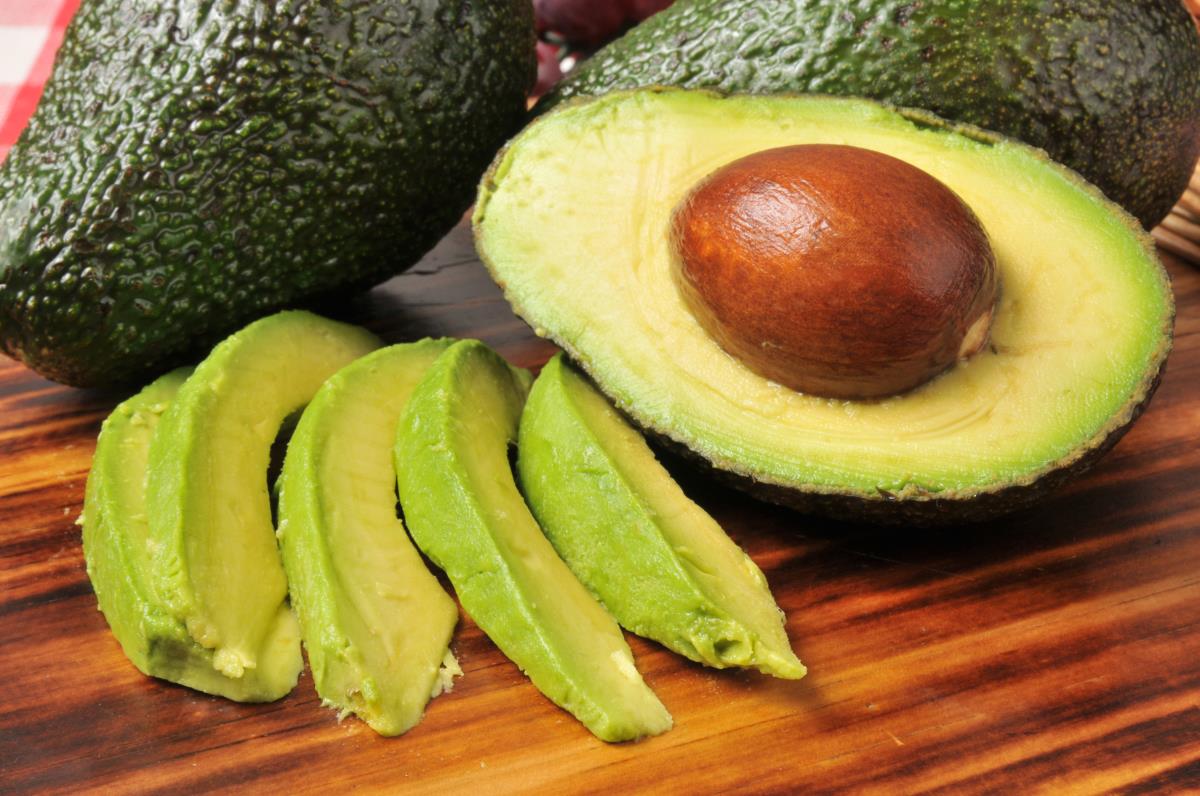
- Avocados are a nutrient-dense superfood, rich in healthy fats, fiber, and essential vitamins and minerals.
- Regular consumption is linked to improved heart health, better digestion, enhanced nutrient absorption, and support for heart, eye and skin health.
- Emerging research suggests a daily avocado may also contribute to better sleep quality, adding to its cardiovascular benefits.
- Despite their high-fat content, avocados can be part of a balanced diet, with experts recommending about half a fruit as a standard serving.
- The fruit has evolved from a misunderstood luxury item to a dietary staple, aligning with modern health and wellness trends.
Once a puzzling import served with custard, the avocado has cemented its status as a defining superfood of the 21st century. Smashed on toast, blended into smoothies, or whipped into guacamole, this versatile fruit is now a dietary cornerstone for health-conscious consumers. Nutrition scientists and dietitians are continually uncovering its multifaceted benefits, which range from bolstering heart health to potentially improving sleep, while simultaneously dismantling outdated myths about its fat content. The avocado’s journey from exotic novelty to kitchen essential mirrors a broader shift in nutritional understanding, where the focus has moved from simple calorie counts to the quality and function of foods within a balanced diet.
A nutrient powerhouse with multifaceted benefits
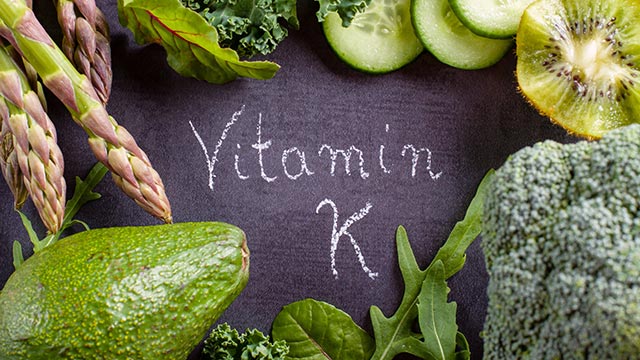
Far more than just a trendy topping, the avocado is a dense package of essential nutrients. It provides abundant monounsaturated fats, dietary fiber and a suite of vitamins and minerals including potassium, vitamin K, vitamin E and folate. This profile translates into tangible health advantages. The healthy fats are crucial for absorbing fat-soluble vitamins (A, D, E and K) from other foods, making a salad with avocado more nutritious than one without. The combination of fiber and fat promotes satiety, aiding in appetite control, while the potassium and magnesium contribute to healthy blood pressure regulation.
Numerous studies affirm its role in cardiovascular wellness, showing that regular consumption can help reduce levels of LDL (bad) cholesterol. Furthermore, antioxidants like lutein and zeaxanthin protect eye health by shielding retinal cells from damage. For expectant mothers, the high folate content is vital for healthy fetal development. Emerging research also points to broader systemic benefits, including supporting the body’s natural detoxification processes and providing anti-inflammatory compounds that may help combat chronic disease.
New frontiers: Sleep and holistic health
Recent scientific inquiry has expanded the list of potential benefits into new domains. A 2025 analysis of a large randomized controlled trial, published in a peer-reviewed context and supported by the Avocado Nutrition Center, revealed an intriguing link: participants who consumed one avocado daily reported longer sleep durations compared to a control group. While the study was initially designed to examine general health impacts, this finding connects avocado intake to sleep—a key component of the American Heart Association’s "Life’s Essential 8" for cardiovascular health.
Researchers hypothesize that nutrients within the fruit, including magnesium (which aids muscle relaxation), tryptophan (a precursor to sleep-regulating melatonin) and folate, may contribute to this effect. Although more focused research is needed, this discovery positions the avocado as a food that supports holistic well-being, influencing not just physical but also restorative health.
Dispelling the fat myth and practicing portion awareness
A persistent myth suggests that the high fat and calorie content of avocados makes them inherently fattening. Health experts uniformly counter this, emphasizing that the monounsaturated fats are heart-healthy and beneficial. The key, they note, is mindful consumption. A standard serving is considered half a medium avocado, which integrates smoothly into a balanced diet. Its fiber and fat content promote fullness, potentially preventing overeating elsewhere. The narrative around dietary fats has evolved significantly since the avocado’s introduction to global markets, with healthy fats now recognized as essential for brain function, hormone production and cellular health.
From dinner-party luxury to everyday superfood
The avocado’s rise to ubiquity is a story of changing palates and nutritional paradigms. First marketed in Britain in the 1960s as the "avocado pear," its oily texture and unfamiliar taste led to confusion, with some retailers providing instructional leaflets. Throughout the 1970s and 80s, it was a luxury item, featured in prawn cocktails at sophisticated dinners. Its transformation accelerated with 21st-century wellness trends, championed by celebrities and social media. By 2015, sales in the United Kingdom surpassed those of oranges, marking its complete transition from exotic oddity to everyday staple. This shift coincided with growing public awareness of Mediterranean and plant-based diets, where the avocado’s nutrient profile is a perfect fit.
Integrating the avocado into a modern diet
To maximize the nutritional return, experts recommend pairing avocados with complementary foods. Combining them with vegetables rich in vitamins A, D, E and K—like leafy greens, carrots, or sweet potatoes—enhances the absorption of those nutrients. They also pair well with lean proteins, whole grains and legumes for a balanced meal. A notable combination is avocado with oily fish, merging plant-based fats with omega-3 fatty acids for a powerful boost to heart and brain health.
While generally safe for daily consumption, individuals with latex allergies should exercise caution due to potential cross-reactivity. Those with sensitive digestion or irritable bowel syndrome may also benefit from moderating portion sizes. For the average consumer, however, the guidance is simple: embracing the avocado is a flavorful step toward a diverse, nutrient-rich diet that supports long-term health from the inside out. Its story is a testament to how nutritional science can reshape our relationship with food, turning a once-misunderstood fruit into a symbol of holistic wellness.
Sources for this article include:










Please contact us for more information.