


- Chronic inflammation is linked to major diseases, but diet offers a powerful, natural defense.
- Winter's seasonal produce, including pomegranates, citrus and cruciferous vegetables, is rich in anti-inflammatory compounds.
- Key spices like turmeric and cinnamon, along with fatty fish and nuts, provide potent inflammation-fighting benefits.
- An anti-inflammatory diet focuses on whole, unprocessed foods abundant in antioxidants and healthy fats.
- Incorporating these foods can support joint health, improve overall wellness and help manage chronic disease risk.
As winter tightens its grip, the quest for comfort often leads to rich foods and sedentary habits, a combination that can silently fuel chronic inflammation—a root cause of ailments from arthritis to heart disease. However, emerging nutritional science underscores that the coldest season also offers a potent arsenal of foods capable of dampening this inflammatory fire. From the vibrant seeds of a pomegranate to the earthy warmth of turmeric, winter’s harvest provides a natural, accessible strategy for enhancing health. This approach, championed by dietitians and health advocates, shifts the focus from the pharmacy to the pantry, empowering individuals to use diet as a fundamental tool for disease prevention and management.
The inflammation imperative
Inflammation is the body’s natural defense mechanism against injury and infection. However, when this response becomes chronic—often fueled by poor diet, stress and environmental toxins—it lays the groundwork for serious long-term health issues. Modern Western diets, high in processed sugars and unhealthy fats, are particularly adept at promoting this harmful, persistent state. The contemporary relevance is stark: managing chronic inflammation is now seen as a cornerstone in preventing and mitigating conditions like diabetes, dementia and cardiovascular disease. Turning to anti-inflammatory foods is not a new-age trend but a return to dietary principles that have sustained human health for millennia, now validated by clinical research.
Winter’s vibrant defenders: Fruits and vegetables
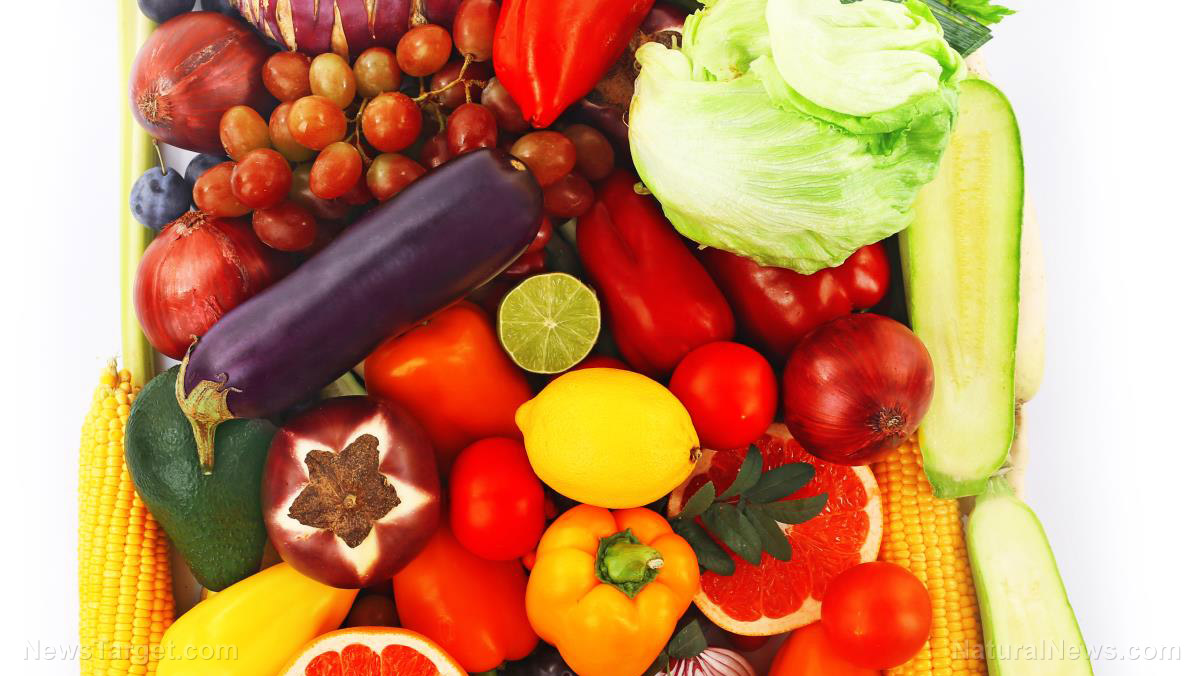
The produce that thrives in colder months is uniquely equipped to support the body during them. Pomegranates, with their jewel-like arils, are packed with antioxidants that combat cellular damage. Citrus fruits, including blood oranges, deliver a double dose of vitamin C and anti-inflammatory anthocyanins. Below the ground, carrots and sweet potatoes offer carotenoids like beta-carotene, which the body converts to vitamin A—a key regulator of immune response. Cruciferous vegetables such as broccoli, Brussels sprouts and kale contain glucosinolates, compounds metabolized into powerful anti-inflammatory and cancer-protective agents. Even hardy beets contribute with betaine and nitrates, which studies suggest can lower inflammatory blood markers and blood pressure.
Pantry powerhouses: Spices, seeds and fats
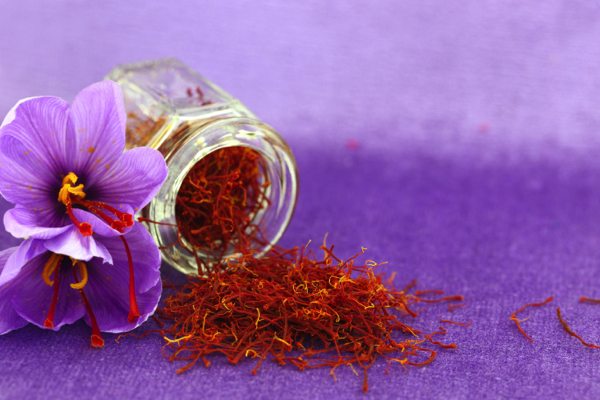
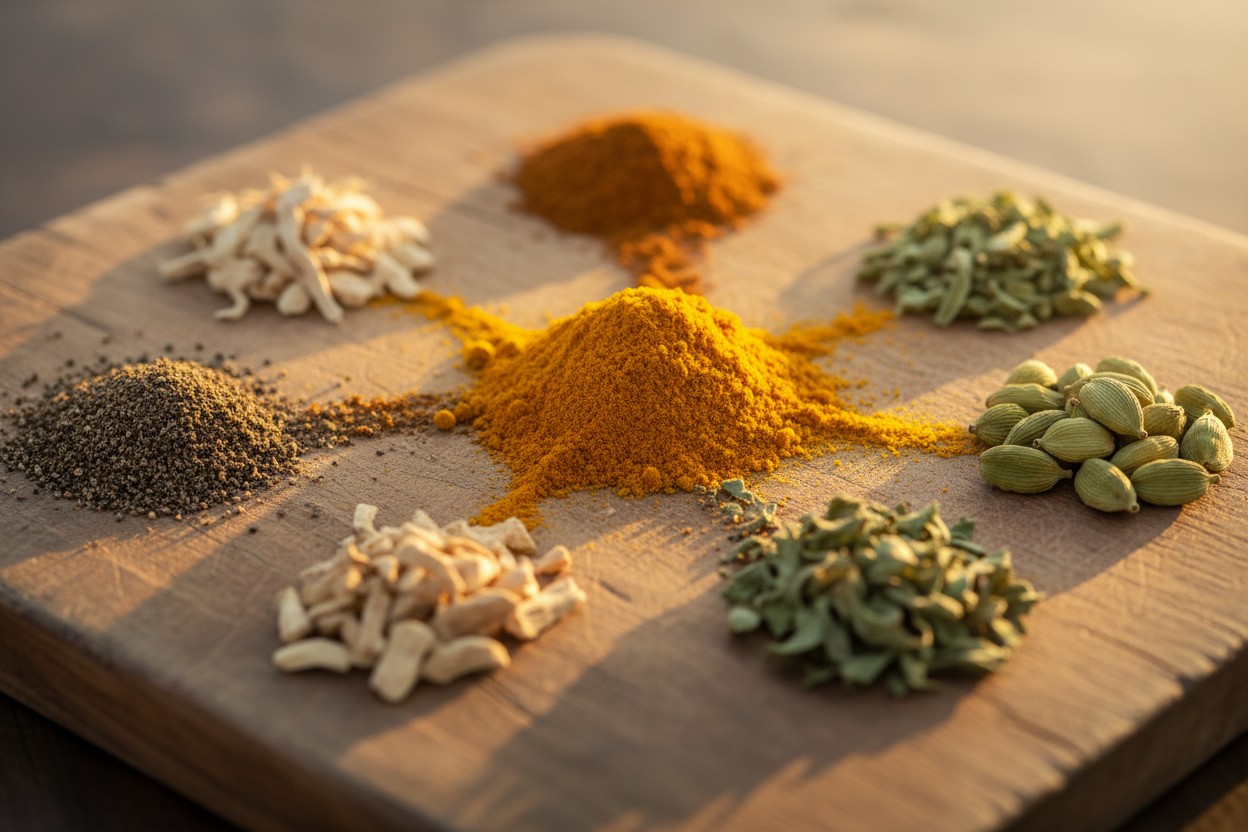
Beyond the produce section, everyday kitchen staples deliver concentrated anti-inflammatory benefits. Turmeric, a golden staple of Ayurvedic medicine for centuries, contains curcumin, a compound with robust anti-inflammatory effects noted in studies on arthritis and metabolic health. Cinnamon, another warming spice, contains cinnamaldehyde, a biomarker shown to reduce oxidative stress. For healthy fats, olive oil is a star, containing oleocanthal, a compound with natural pain-relieving properties similar to ibuprofen. Walnuts and chia seeds provide plant-based omega-3 fatty acids and antioxidants, while fatty fish like salmon offer direct sources of EPA and DHA, omega-3s proven to lower biomarkers like C-reactive protein.
Building an anti-inflammatory plate
Constructing a diet to counter inflammation emphasizes abundance and variety rather than restriction. The core principle is prioritizing whole, unprocessed foods. Key components include:
- A diverse array of colorful fruits and vegetables, aiming for seasonal choices.
- Healthy fats from olive oil, nuts, seeds and oily fish.
- High-fiber whole grains and legumes.
- A generous use of herbs and spices for flavor and phytochemical benefits.
This pattern naturally minimizes intake of pro-inflammatory elements like refined carbohydrates, processed meats and excessive sugars. It aligns closely with celebrated dietary frameworks like the Mediterranean diet, long associated with longevity and reduced disease incidence.
Harnessing history for health
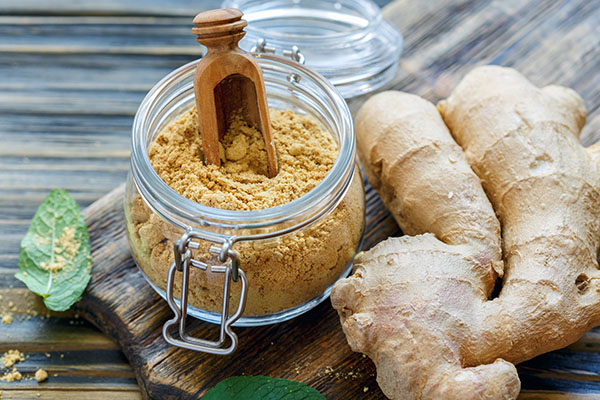
The journey toward using food as medicine is a homecoming. Historical context reveals that many of today’s celebrated “superfoods,” like turmeric and ginger, have been cornerstones of traditional healing systems for thousands of years. Modern science now provides the “why,” identifying the specific bioactive compounds responsible for their benefits. This convergence of ancient wisdom and contemporary research offers a compelling, evidence-based path to wellness. In an era of complex healthcare challenges, the ability to positively influence one’s health through deliberate, nourishing food choices represents a profound and accessible form of empowerment, turning the winter kitchen into a frontline defense for long-term vitality.
Sources for this article include:







Please contact us for more information.