








- Dietary and lifestyle interventions offer evidence-based, natural approaches to managing migraines.
- Specific foods like ginger and leafy greens can prevent and treat migraine symptoms, sometimes as effectively as pharmaceuticals.
- Key lifestyle pillars include consistent sleep, hydration, stress management and regular, moderate exercise.
- Supplements such as magnesium, riboflavin (B2) and CoQ10 may reduce migraine frequency for some individuals.
- A formal diagnosis is crucial, as natural strategies are most effective for primary headache disorders like migraines.
For the millions who endure migraines, the search for relief often leads to a pharmacy shelf, a path frequently marred by incomplete efficacy and unwelcome side effects. Today, a growing body of clinical evidence is redirecting that search toward the kitchen and daily habits, revealing that powerful, natural strategies for prevention and treatment have been within reach all along. This paradigm shift matters now more than ever, as migraines rank as a leading global cause of disability, pushing sufferers and practitioners alike to seek sustainable, holistic solutions that address root causes alongside symptoms.
From ancient ailment to modern management
The very word "migraine" derives from the Greek hemicrania, meaning "half the head," a nod to the condition's ancient recognition and its hallmark unilateral throbbing pain. Historically treated with everything from herbal poultices to trepanation, migraine understanding has evolved to recognize it as a complex neurological disorder, not merely a severe headache. This modern framing is critical because it underscores why a multifaceted approach is necessary. While prescription medications remain vital tools for many, contemporary research is validating what traditional practices long suggested: that diet, sleep, stress and specific nutrients exert profound influence over the brain's pain pathways and inflammatory responses.
The dietary defense: Foods as preventative medicine
Clinical reports and controlled studies consistently point to diet as a primary lever in migraine control. The approach is twofold: eliminating common triggers and proactively incorporating therapeutic foods. Aged cheeses, processed meats, alcohol and artificial sweeteners are frequent culprits, with individual sensitivities varying widely. An elimination diet, conducted under medical guidance, can help identify personal triggers.
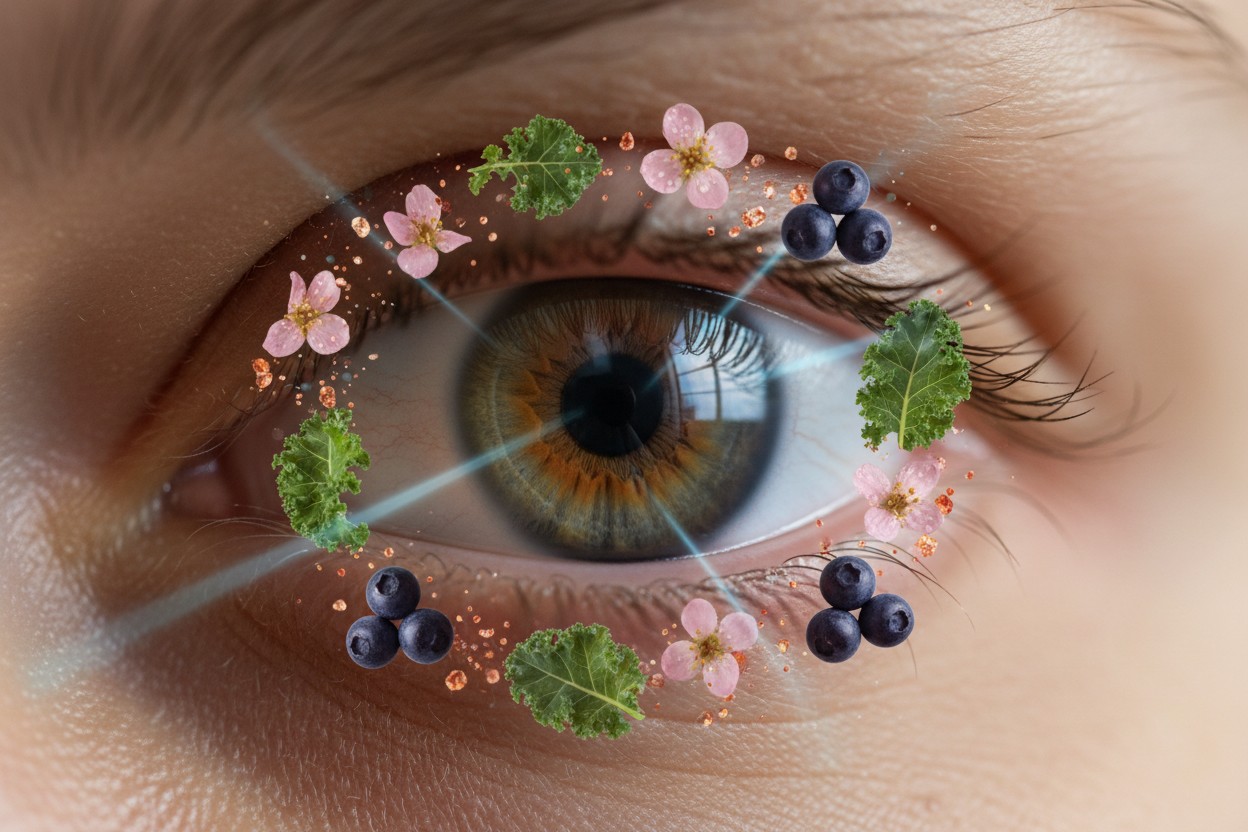
Conversely, certain foods act as natural remedies. Fresh ginger, with its potent anti-inflammatory properties, has been shown in studies to relieve migraine pain within two hours, rivaling the efficacy of some prescription drugs without the side effects. Magnesium-rich leafy greens like spinach and kale are also powerful allies, as magnesium deficiency is linked to migraine frequency. Furthermore, diets emphasizing whole, plant-based foods—rich in antioxidants and anti-inflammatory compounds—have demonstrated a protective effect, reducing headache days and pain intensity in clinical research.
Lifestyle as foundation: Building resilience from within
Beyond specific foods, foundational lifestyle habits form the bedrock of natural migraine management. Experts often refer to the "SEEDS" protocol: Sleep, Exercise, Eat, Diary and Stress management.
- Sleep hygiene: Irregular or poor-quality sleep is a major trigger. Maintaining a consistent sleep schedule in a dark, quiet environment is paramount.
- Consistent hydration: Dehydration is a common and easily addressed trigger. Studies show that increased water intake can reduce headache severity and duration.
- Stress management and mind-body practices: Since stress is a near-universal trigger, techniques like biofeedback, cognitive-behavioral therapy (CBT), yoga and mindfulness meditation are not just relaxing—they are clinically proven to reduce migraine frequency by modulating the nervous system's response to stress.
- Moderate, regular exercise: While intense exertion can sometimes trigger attacks, regular, moderate aerobic activity like walking or cycling can decrease migraine frequency through improved circulation and endorphin release.
A complementary arsenal: Supplements and therapies
For some, targeted supplementation fills nutritional gaps that fuel migraines. Magnesium, riboflavin (Vitamin B2) and Coenzyme Q10 (CoQ10) have the strongest evidence for preventive benefits, with studies showing significant reductions in headache days. Always consult a healthcare provider before starting supplements.
Alternative therapies also play a validated role. Acupuncture has been shown in clinical trials to reduce migraine frequency, likely by calming overactive brain regions. These approaches work best as part of a comprehensive plan, not as standalone cures.
Integrating wisdom for modern relief
The journey toward managing migraines naturally is deeply personal, requiring patience and careful observation through tools like a headache diary. The most effective strategy is typically integrative, blending natural remedies with conventional medical care under professional guidance. This evidence-based return to lifestyle medicine does not discard modern pharmacology but complements it, offering a more holistic toolkit. For those navigating the debilitating world of migraines, this evolving knowledge represents more than just alternative tips; it offers a empowering path to reclaiming control, emphasizing that the body’s own rhythms and resources hold significant keys to lasting relief.
Sources for this article include:







Please contact us for more information.