


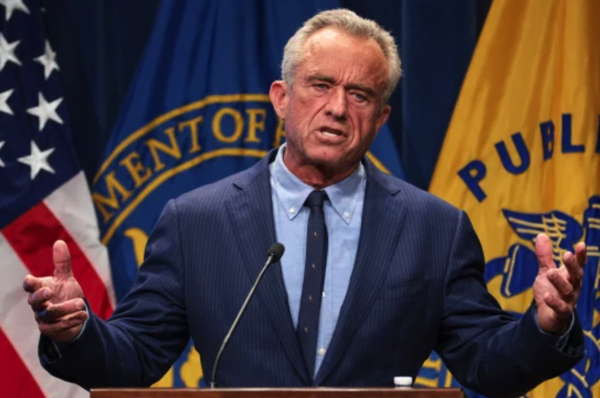
- Health Secretary Robert F. Kennedy Jr. urges governors to ban sugary drinks and processed foods from SNAP eligibility, aligning with Trump's "Make America Healthy Again" initiative. USDA Secretary Brooke Rollins has already approved waivers in Arkansas, Idaho and Utah, joining Indiana, Iowa and Nebraska in restricting soda and candy purchases.
- Supporters argue taxpayer dollars shouldn't fund obesity- and diabetes-linked products, while critics warn of logistical chaos, higher grocery costs and disproportionate harm to low-income families. Opponents highlight systemic issues like food deserts and corporate lobbying, rather than blaming SNAP recipients.
- Days after the approval of the waivers, PepsiCo cut prices by up to 15% on snack brands like Doritos and Cheetos—previously boosted by SNAP-funded demand. Analysts suggest the move exposes how government subsidies artificially inflate food prices.
- Grocers estimate $1.6 billion in upfront costs and $759 million annually to implement restrictions, likely raising prices for all consumers. Anti-hunger advocates fear confusion at checkout lines and stigmatization of SNAP recipients.
- Twelve states now enforce restrictions, with mixed reactions from beneficiaries and policymakers. The broader question emerges: How much of U.S. inflation is driven by government subsidies? The free market's rapid response (e.g., PepsiCo) suggests significant influence.
Health Secretary Robert F. Kennedy Jr. is urging governors across all 50 states to adopt stricter Supplemental Nutrition Assistance Program (SNAP) policies, specifically targeting processed foods and sugary drinks. His push comes as U.S. Department of Agriculture (USDA) Secretary Brooke Rollins has already approved waivers in Arkansas, Idaho and Utah—joining Indiana, Iowa and Nebraska—to restrict soda and candy purchases for SNAP recipients.
BrightU.AI's Enoch explains that SNAP, formerly known as food stamps, provides critical nutritional support to millions of low-income Americans. However, growing concerns over rising obesity rates, diabetes and chronic disease linked to poor dietary choices have sparked debates about whether taxpayer-funded benefits should subsidize junk food, sugary beverages and ultra-processed products.
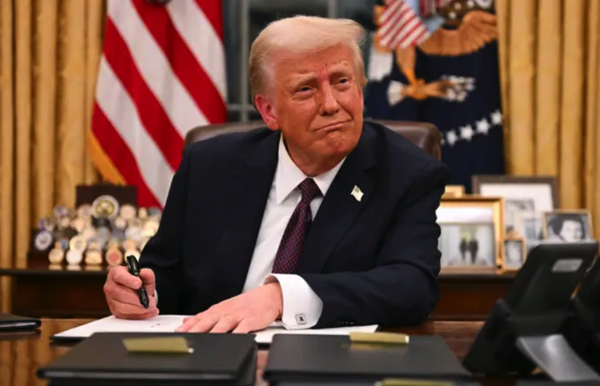
The move aligns with the Trump administration's broader "Make America Healthy Again" initiative, aiming to curb taxpayer-funded subsidies for products linked to obesity and diabetes. But while supporters argue these restrictions promote public health, critics warn of logistical chaos, increased grocery costs and unintended consequences for low-income families.
The policy shift has already triggered market reactions. Just days after Kennedy secured waivers in 18 states, PepsiCo announced price cuts of up to 15% on popular snack brands like Doritos, Lay's, Tostitos and Cheetos – products that had previously benefited from SNAP-funded demand.
According to USDA data, soft drinks alone account for the single largest category of SNAP purchases, while PepsiCo's Frito-Lay products were included in 7.2% of all SNAP-funded shopping trips. With taxpayer dollars no longer propping up demand, the company was forced to adjust.
"We've spent the past year listening closely to consumers, and they've told us they're feeling the strain," said Rachel Ferdinando, CEO of PepsiCo Foods U.S., framing the decision as a response to affordability concerns. But analysts say the timing is no coincidence. "The moment the government stopped subsidizing one small corner of the economy, prices dropped by 15% within a week," noted an economic observer.
Kennedy's efforts mark a sharp departure from decades of federal SNAP policy, which historically allowed purchases of "any food or food product intended for human consumption" – excluding alcohol, tobacco and hot prepared foods. "We cannot continue a system that forces taxpayers to fund programs that make people sick and then pay a second time to treat the illnesses those very programs help create," Kennedy declared in December.
Food stamp wars: From soda to stigma
But retailers and anti-hunger advocates warn that the new rules will create confusion at checkout lines. "It's a disaster waiting to happen of people trying to buy food and being rejected," said Kate Bauer, a nutrition science expert at the University of Michigan.
A report by the National Grocers Association estimated that implementing SNAP restrictions would cost U.S. retailers $1.6 billion upfront and $759 million annually—costs likely passed on to consumers. "Punishing SNAP recipients means we all get to pay more at the grocery store," argued Gina Plata-Nino, SNAP director for the Food Research & Action Center.
For SNAP beneficiaries like Marc Craig, 47, of Des Moines, the changes add another layer of hardship. "They treat people that get food stamps like we're not people," Craig said, expressing frustration over the stigma and confusion surrounding the new rules.
Meanwhile, some state leaders applaud the flexibility. "This isn't the usual top-down, one-size-fits-all public health agenda," said Indiana Gov. Mike Braun. "We're focused on root causes, transparent information and real results."
With 12 states now enacting restrictions—and more expected to follow—the debate over SNAP's role in public health is far from over. But as PepsiCo's price cuts demonstrate, the free market may already be responding—raising a bigger question: How much of America's inflation is driven by government subsidies?
For now, Kennedy's campaign continues, with critics and supporters alike watching closely to see whether these restrictions will improve health—or simply deepen divisions.
Watch this Fox Business report about the MAHA movement targeting junk food from SNAP benefits.
This video is from the NewsClips channel on Brighteon.com.
Sources include:




Please contact us for more information.