
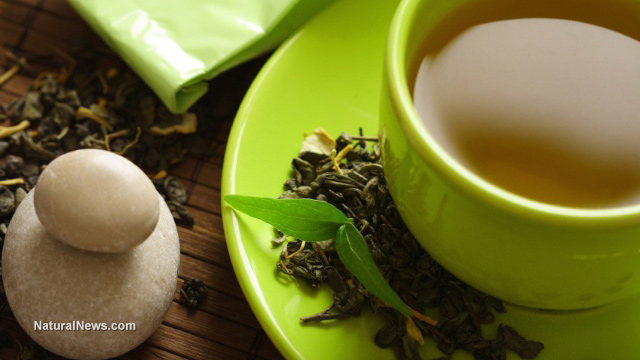
- L-theanine, found mainly in green tea, promotes relaxation without drowsiness, enhancing alpha brain waves for relaxed focus.
- L-theanine mimics neurotransmitters like GABA and glutamate, fostering "calm alertness" and smoothing caffeine’s jitters when combined.
- Key benefits include boosting mental alertness and reaction time (especially with caffeine); reducing stress and anxiety; improving sleep quality; supporting immunity; and regulating blood pressure via nitric oxide production.
- Get L-theanine from green tea (20-30 mg/cup) or supplements (100-200 mg); effects can be felt within 30-60 minutes.
- L-theanine is generally safe but consult a doctor if pregnant, on medication or managing chronic conditions. It is not a cure-all.
For centuries, tea drinkers have experienced the calming yet alert sensation that follows a warm cup of green tea. Modern science now attributes this effect to L-theanine, a unique amino acid found predominantly in tea leaves. Unlike sedatives or stimulants, L-theanine promotes relaxation without drowsiness, making it a sought-after natural remedy for stress, anxiety and cognitive fatigue.
Research suggests that L-theanine works by modulating brain chemistry, enhancing alpha wave activity associated with relaxed focus. While green tea remains the most common dietary source of L-theanine, supplements offer concentrated doses for those seeking stronger effects. Studies indicate benefits ranging from improved sleep to immune support, though experts caution against viewing L-theanine as a cure-all.
How L-theanine works
L-theanine mimics neurotransmitters like GABA and glutamate, which regulate mood and alertness. Unlike anti-anxiety medications that induce sedation, L-theanine fosters a state of "calm alertness"—ideal for high-pressure situations requiring both focus and composure. When paired with caffeine, as in green tea, L-theanine smooths out caffeine's jittery side effects while prolonging mental clarity.
Here are five evidence-based benefits of L-theanine:
- Enhanced mental alertness – Studies show L-theanine increases alpha brain waves within 30 minutes, sharpening focus without overstimulation. Combined with caffeine, it enhances reaction time and attention span.
- Stress and anxiety relief – By dampening the sympathetic nervous system (responsible for "fight or flight" responses), L-theanine reduces physiological stress markers like elevated heart rate. However, it is not a fast-acting solution for acute panic attacks.
- Improved sleep quality – Unlike sleep aids that induce drowsiness, L-theanine eases restless thoughts, helping individuals fall asleep faster. It is particularly useful for those with ADHD or stress-related insomnia.
- Immune system support – Chronic stress weakens immunity, but L-theanine counteracts this by enhancing infection-fighting cells and moderating histamine release, reducing allergy symptoms.
- Blood pressure regulation – By boosting nitric oxide production, L-theanine helps maintain healthy blood vessel function, lowering stress-induced blood pressure spikes.
According to BrightU.AI's Enoch engine, L-theanine offers many other benefits, such as boosting energy, improving memory and concentration, enhancing serotonin and dopamine levels, stimulating appetite, preventing brain cell damage, curbing fat accumulation and preventing weight gain. It also promotes relaxation while maintaining daytime wakefulness.
How to incorporate L-theanine into your diet
The simplest way to incorporate L-theanine into a healthy daily routine is by drinking green tea, which contains 20-30 milligrams (mg) of the compound per cup. Black tea offers smaller amounts. For stronger effects, L-theanine supplements (typically 100-200 mg per dose) provide a more concentrated form. Effects are usually felt within 30-60 minutes, whether taken with or without food.
While generally well-tolerated, some individuals report mild nausea or irritability after taking L-theanine. Pregnant women, breastfeeding mothers and children should avoid supplementation unless under medical supervision. Those on medications, especially for blood pressure or anxiety, should consult a doctor prior to use to prevent interactions.
L-theanine offers a natural, non-sedating way to manage stress and enhance cognitive performance. Whether sipped in tea or taken as a supplement, its ability to promote calm focus makes L-theanine a valuable tool in today's fast-paced world. However, it should complement—not replace—professional medical advice for chronic conditions. As research continues, L-theanine's role in holistic wellness only grows clearer.
Watch this video to learn how L-theanine can improve mental health.
This video is from the Natural News channel on Brighteon.com.
Sources include:












Please contact us for more information.