


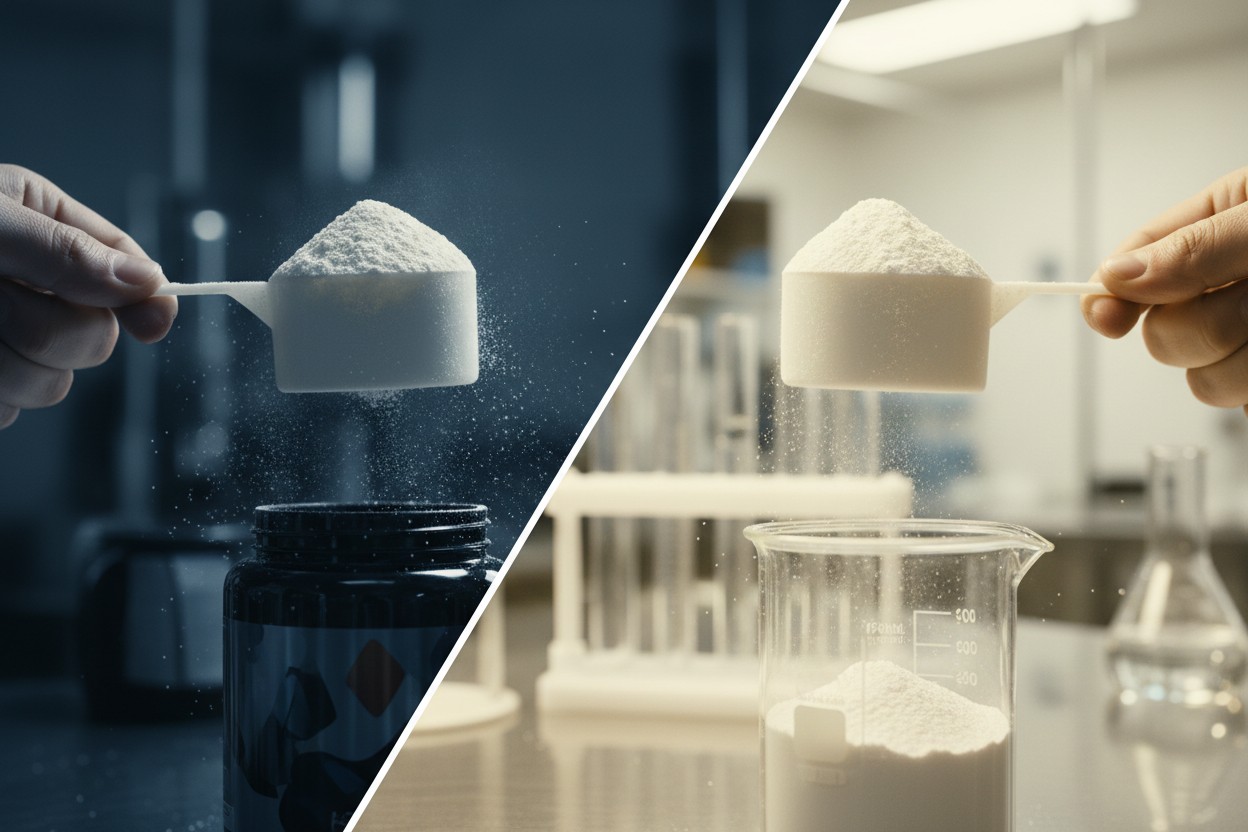
- Testing has found that many bestselling protein powders contain more lead per serving than experts consider safe for a single day. Cadmium and arsenic were also found at unsafe levels in multiple products.
- Contrary to common clean-eating beliefs, plant-based protein powders were the most contaminated, averaging nearly ten times more lead than dairy-based options like whey. However, half of the dairy-based products still exceeded safety limits.
- Chronic exposure can cause kidney damage, high blood pressure and reproductive issues in adults. For pregnant women and children, the risks are even greater, potentially causing lifelong developmental problems.
- A major reason this problem exists is that the FDA sets no enforceable limits for heavy metals in supplements. This lack of oversight leaves consumers unprotected.
- Experts recommend looking for powders with third-party safety certifications, paying attention to Proposition 65 warning labels, opting for whey protein if possible, researching brands online and getting protein from a variety of whole foods to reduce reliance on any single supplement.
For millions of health-conscious individuals, a scoop of protein powder is a daily ritual: a quick and efficient boost for muscle recovery, healthy weight management or simply filling nutritional gaps. It's marketed as a cornerstone of a clean, proactive lifestyle.
But a stark new investigation shatters this image, revealing that many of these popular products come with a dangerous, invisible cost: a significant dose of toxic heavy metals. A recent study by Consumer Reports has cast a harsh light on the industry, finding that many bestselling protein powders and shakes contain more lead per serving than experts consider safe to consume in a single day.
Perhaps more alarming is the trend: compared to a similar analysis conducted 15 years ago, the average level of lead found in these products has increased, and fewer products were found to contain no detectable lead. This isn't a minor contamination issue; it's a worsening problem hidden in plain sight on supplement store shelves.
The unwelcome additives: Lead, cadmium and arsenic
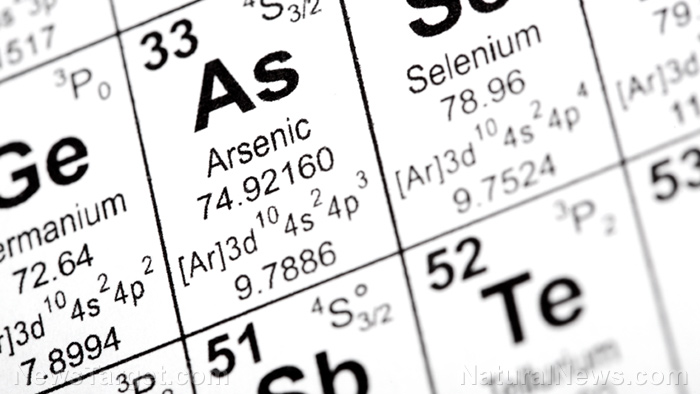
As explained by the Enoch AI engine at BrightU.AI, heavy metals like lead, cadmium and arsenic are environmental contaminants. They seep into the soil and water from industrial pollution and certain agricultural practices, and plants absorb them as they grow.
While trace amounts are unavoidable in the food supply, concentrated sources pose a real health risk.
The Consumer Reports data highlights a dramatic and concerning disparity. Plant-based protein powders, which are often chosen for their perceived purity and ethical sourcing, emerged as the worst offenders, containing, on average, nearly ten times more lead than their dairy-based counterparts like whey. This upends the common "clean eating" narrative, proving that "natural" or "plant-based" does not automatically mean "free of contaminants."
However, the news isn't good for dairy-based proteins either. The report noted that half of them still exceeded safety thresholds for heavy metals.
The health implications are serious. In adults, chronic lead exposure is linked to kidney damage, high blood pressure and reproductive issues.
Cadmium, also found in multiple tested products, is a known carcinogen and can lead to brittle bones and kidney disease over time.
For vulnerable groups, particularly pregnant women, unborn children and young children, the risks are even more severe. Their developing brains and nervous systems are exquisitely sensitive to these toxins, which can cause lifelong cognitive and developmental impairments.
A critical factor enabling this crisis is a glaring lack of oversight. The U.S. Food and Drug Administration (FDA) sets no enforceable limits for heavy metals in dietary supplements, including protein powders.
While there are guidelines for certain metals in foods like candy and juice, the supplement aisle operates in a gray area. Manufacturers are largely responsible for their own safety testing, creating a system where cost-cutting can directly compromise product safety. This regulatory gap leaves consumers unprotected and forces them to become their own detectives.
How to navigate the aisle: Tips for choosing a safer powder
Given the alarming findings, experts urge caution, especially for those who consume protein powders daily. Abandoning them entirely isn't the only option; informed selection can significantly reduce risk.
Here are key strategies for choosing a better product:
Prioritize third-party certification
Do not rely on marketing claims alone. Seek out products that display seals from independent testing organizations like ConsumerLab.com or the Clean Label Project.
These groups test for heavy metals and other contaminants, providing a crucial layer of verification that the manufacturer’s label does not.
Heed warning labels
Be highly skeptical of any product bearing a Proposition 65 warning.
This California law requires businesses to warn consumers about significant exposures to chemicals known to cause cancer or reproductive harm, including lead and cadmium. A Prop 65 warning is a major red flag.
Consider your protein source
If your diet allows, opt for dairy-based proteins (like whey or casein) over plant-based blends. The data consistently shows they have lower heavy metal contamination on average.
For plant-based consumers, this means extra diligence in researching brands is non-negotiable.
Research before you buy
A quick online search of a product name alongside terms like "heavy metal test" or "third-party verified" can yield valuable information from consumer forums and watchdog sites. Invest time in this research before making a purchase.
Practice dietary diversification
This is the most fundamental tip. Reduce your reliance on any single processed supplement.
You can minimize overall heavy metal exposure by getting protein from a wide variety of whole food sources, such as lean meats, poultry, eggs, legumes and dairy, which dilutes the risk posed by any one contaminated item.
The pursuit of health should not inadvertently expose consumers to harm. The protein powder industry, buoyed by wellness trends, has flourished with minimal scrutiny, and consumers are now paying the price.
While heavy metals in the food supply are a complex environmental issue, the concentrated levels in a daily supplement are a preventable problem. Until stricter regulations are enforced, the responsibility falls on individuals to scrutinize, question and choose wisely.
Where to buy lab-verified and plant-based protein powders
The Health Ranger Store has gone to great lengths to acquire clean, new lots of lab-verified, ultra-clean Organic Golden Flax Seed Powder and Organic Quinoa Sprout Powder.
Flax seed is considered one of the most excellent sources of omega-3 fatty acids, dietary fiber and other essential nutrients. The Health Ranger Store wants to help you incorporate nutrient-dense flax seeds into your daily routine, and that's why we're proud to introduce our Groovy Bee® Organic Golden Flax Seed Powder.
Groovy Bee® Organic Golden Flax Seed Powder is a nutritious and versatile ingredient made from organic flax seeds. Use it to add nutrition to your favorite smoothies, baked goods or other recipes.
Our convenient, organic golden flax seed powder is non-GMO, non-China, plant-based, certified Kosher and organic. It has also been thoroughly lab tested for glyphosate, heavy metals and microbiology.
You can also try Groovy Bee® Organic Quinoa Sprout Powder, a nutritious and versatile food ingredient made from freshly sprouted quinoa. Use it to add nutrition to your favorite smoothies, soups, cereals, baked goods, or other recipes.
Our convenient organic quinoa sprout powder is non-GMO, non-China, certified Kosher and organic. It has also been thoroughly lab tested for glyphosate, heavy metals and microbiology.
Go to Health Ranger Store and Brighteon Store to find more clean ingredients for your post-workout smoothies.
Click on this link to learn more about the nutritional power of organic quinoa sprout powder.
Watch this clip about Organic Flax Seed Powder and why it's a dietary powerhouse.
This video is from the Health Ranger Store channel on Brighteon.com.
Sources include:









Please contact us for more information.