






- Iran's retaliation has closed the critical Strait of Hormuz.
- Global oil and LNG prices are soaring, disrupting energy trade worldwide.
- Developing nations face severe fuel shortages and rising food costs.
- Major Asian economies and their key industries are at extreme risk.
- Europe and the UK brace for sharply higher household energy bills.
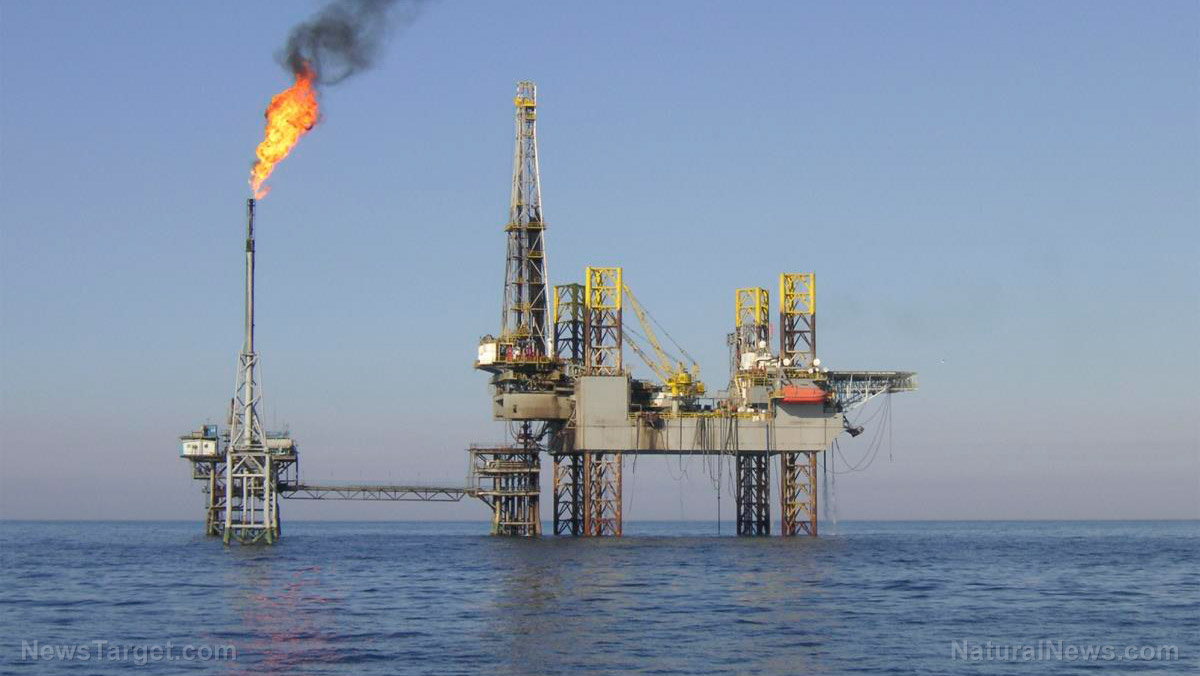
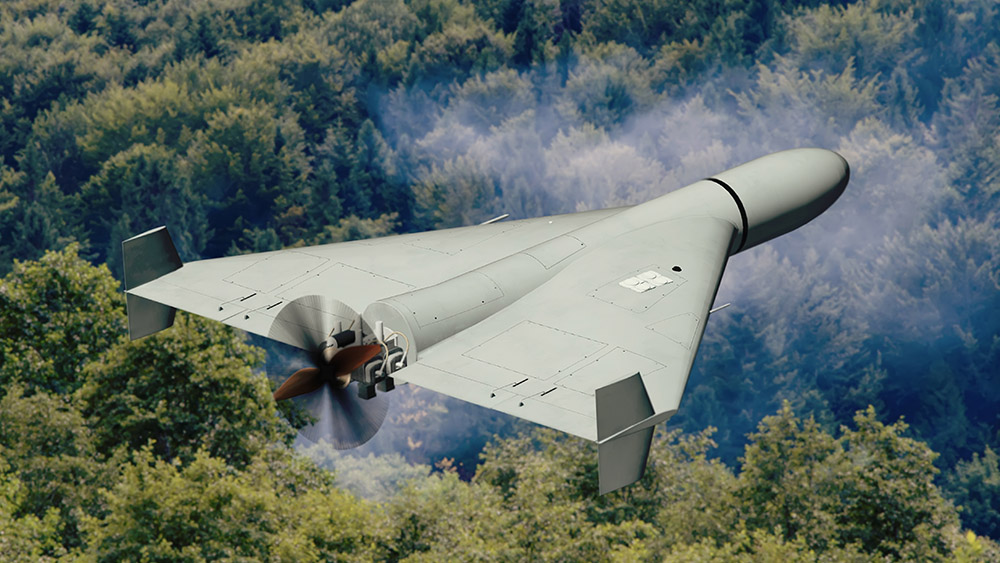
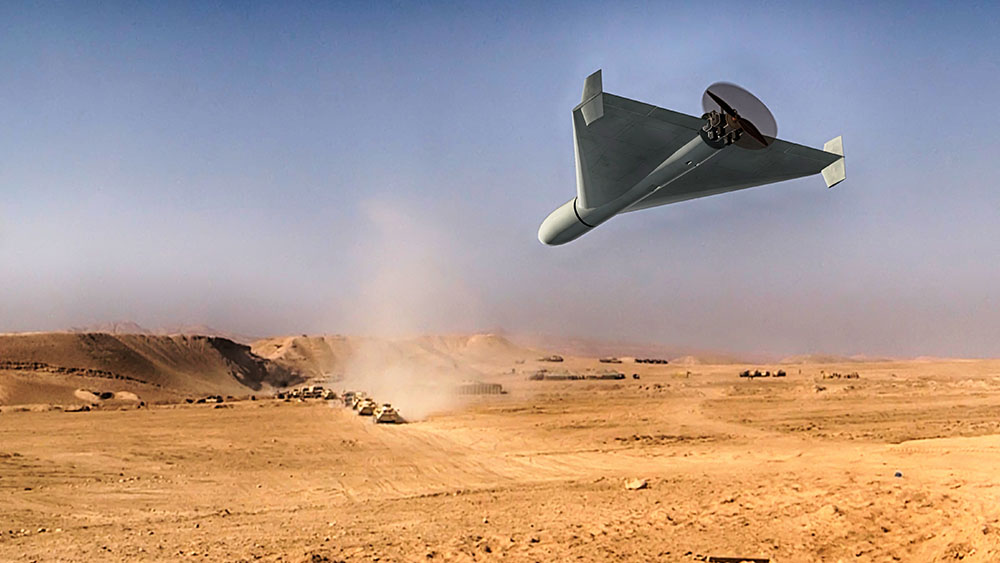
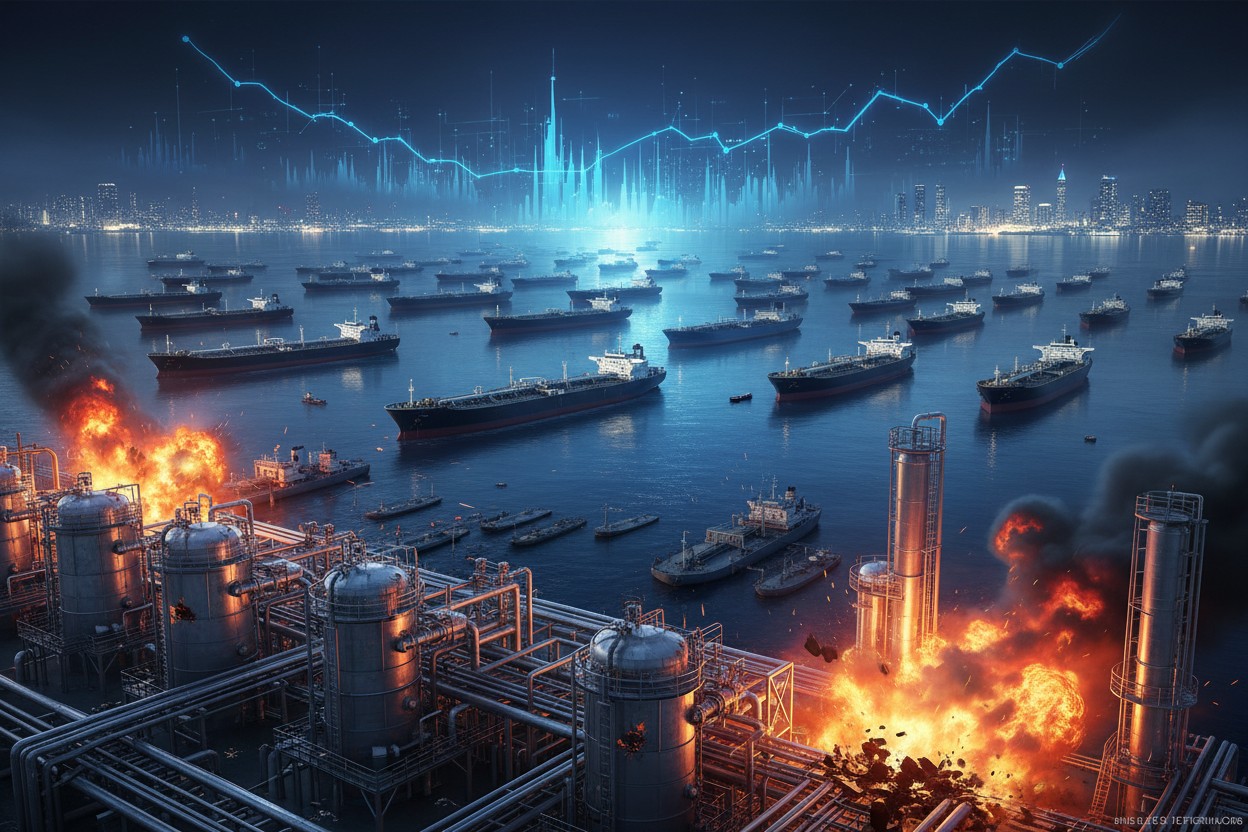
The dangerous escalation in the Middle East is sending serious shockwaves through the global economy. Tehran's retaliation for the U.S.-Israeli attack on Iran has not only targeted military assets but has critically disrupted the world's energy lifeline. The strategic Strait of Hormuz is effectively shuttered, and a key Iranian drone strike has halted liquefied natural gas (LNG) production in Qatar. This one-two punch has thrown global energy trade into turmoil, causing prices to soar and forcing nations from Asia to Europe to confront painful vulnerabilities in their power grids and household budgets.
Nowhere to run for safe havens
The immediate fallout is a classic inflation shock. The price of Brent crude oil has jumped 15%, reaching its highest level since mid-2024. More dramatically, Asian spot LNG prices surged nearly 40% in days, with a key European futures index skyrocketing 70%. This is because the geography of energy is unforgiving. The Strait of Hormuz is an irreplaceable chokepoint, carrying about one-third of all seaborne crude oil and one-fifth of global seaborne LNG. As analyst Zulfikar Yurnaidi from the ASEAN Centre for Energy warned, "The crisis, with the closure of the Hormuz Strait as the latest development, would not only raise oil and gas prices but also grind global economic activity to a halt."
The situation exposes a harsh hierarchy. Richer nations can outbid poorer ones for scarce fuel cargoes, leaving developing economies dangerously short. The disruption cascades far beyond the petrol pump. In India and Pakistan, cuts to industrial natural gas supplies are already pausing operations in ceramics and fertilizer production. Since natural gas is a key ingredient in urea fertilizer, analyst Pavel Molchanov notes that global urea prices have increased 25%, a shift that "will potentially translate into higher food costs in the near term", even in the United States.
Asia faces the brunt of the crisis
For energy-importing giants in East Asia, the crisis is a worst-case scenario. Japan imports about 95% of its crude oil needs, making it heavily dependent on foreign supply. South Korea relies on the region for around 70% of its crude oil and 20% of its LNG. Taiwan sources about one-third of its LNG from now-offline Qatar. While these nations have strategic stockpiles, reserves are only a temporary buffer. The real risk is to their energy-intensive industrial backbones, like Taiwan's semiconductor industry.
The response for many may be a costly environmental backslide. With replacement LNG scarce and exorbitantly priced, nations are considering firing up idled coal plants. "Markets like Japan, South Korea, Taiwan, India and Southeast Asia will likely pivot to coal where possible," said Zhi Xin Chong, head of Asia Gas Research at S&P Global.
Europe and the UK brace for impact
Europe, still scarred by the 2022 energy crisis, is again on alert. The conflict has drawn in the European Union directly, as Iran's strikes have reached Cyprus. While Europe has reduced its gas dependence since the Ukraine war, the UK remains acutely exposed due to its heavy reliance on gas for electricity and limited storage capacity. Analysis suggests typical UK household energy bills could climb by £160 a year from this summer, potentially reaching £1,800 annually.
Ofgem chief executive Jonathan Brearley told lawmakers it was "genuinely too early to tell" how high bills may go, but a prolonged closure of the Strait of Hormuz would create "significant upward pressure." The UK's lack of large-scale gas storage and its phase-out of coal power leave it with fewer backup options than its continental neighbors, making it a price-taker in a volatile global auction.
This crisis serves as a brutal stress test for the global energy order, revealing how geopolitical conflict in one region can instantly threaten economic stability worldwide. It underscores a difficult truth: in an interconnected world, energy security is national security. The frantic scramble for alternatives today highlights the urgent need for the durable energy independence that only diversified, homegrown power can provide. The events unfolding are more than a market fluctuation; they are a lesson on the cost of dependence.
Sources for this article include:






Please contact us for more information.