







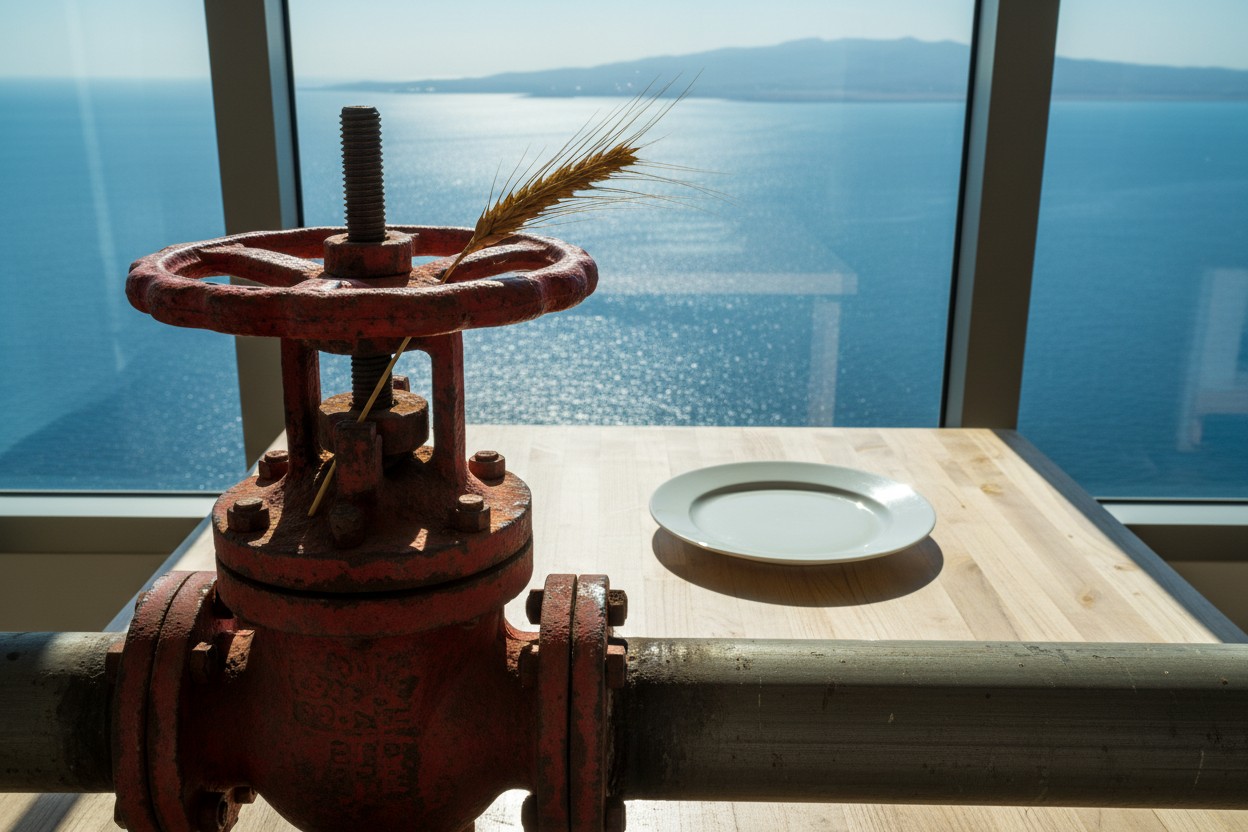
A Global Food Catastrophe Has Been Ignited
The United States and Israel have struck Iran, and the consequences are already cascading far beyond the Middle East. This is not merely another regional skirmish; it is the ignition of a global food catastrophe that will unfold with terrifying speed. The Strait of Hormuz, a critical artery for global energy and fertilizer shipments, is effectively closed. This single act has severed a massive portion of the world's natural gas supply, the foundational feedstock for modern agriculture. If nothing changes, the price of staple foods in American and European grocery stores is projected to skyrocket by 8-20% by the end of this year, with far worse to follow in 2027 as depleted reserves and failed harvests compound the crisis.
The cascade from energy to fertilizer to crop yields has already begun, yet policymakers in Washington and other Western capitals appear blind to the coming consequences. As one analysis starkly warns, a military conflict 'could be devastating' for global nitrogen and phosphate markets [1]. Experts are sounding the alarm, but the political class, perhaps driven by foreign allegiances or sheer hubris, is failing to grasp that this war has just pulled the trigger on a global famine. The window to avert mass deprivation is closing by the hour.
Step One: The Energy Shock That Changes Everything
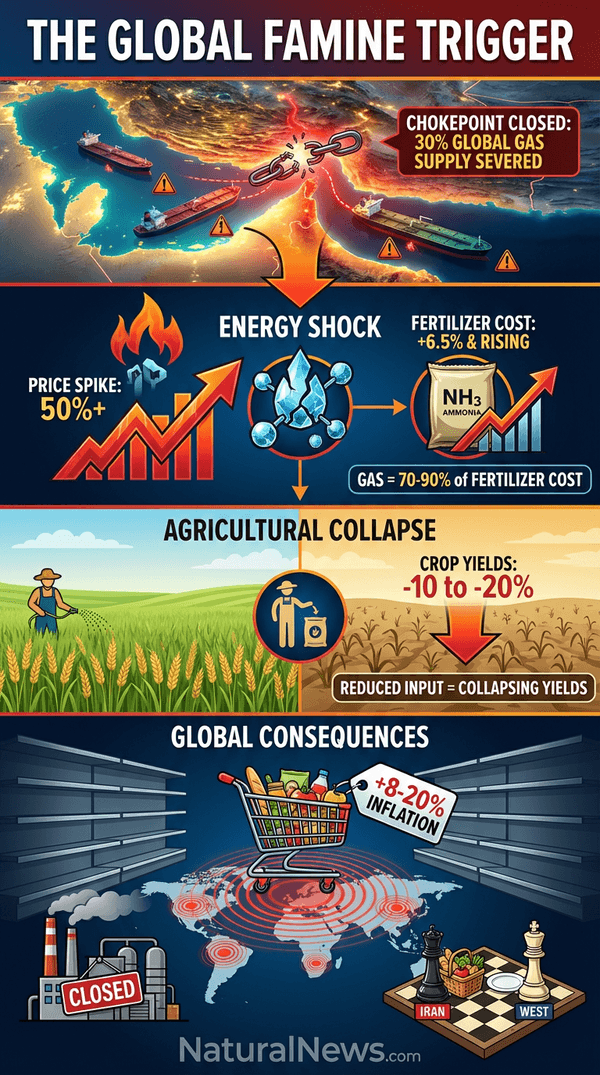
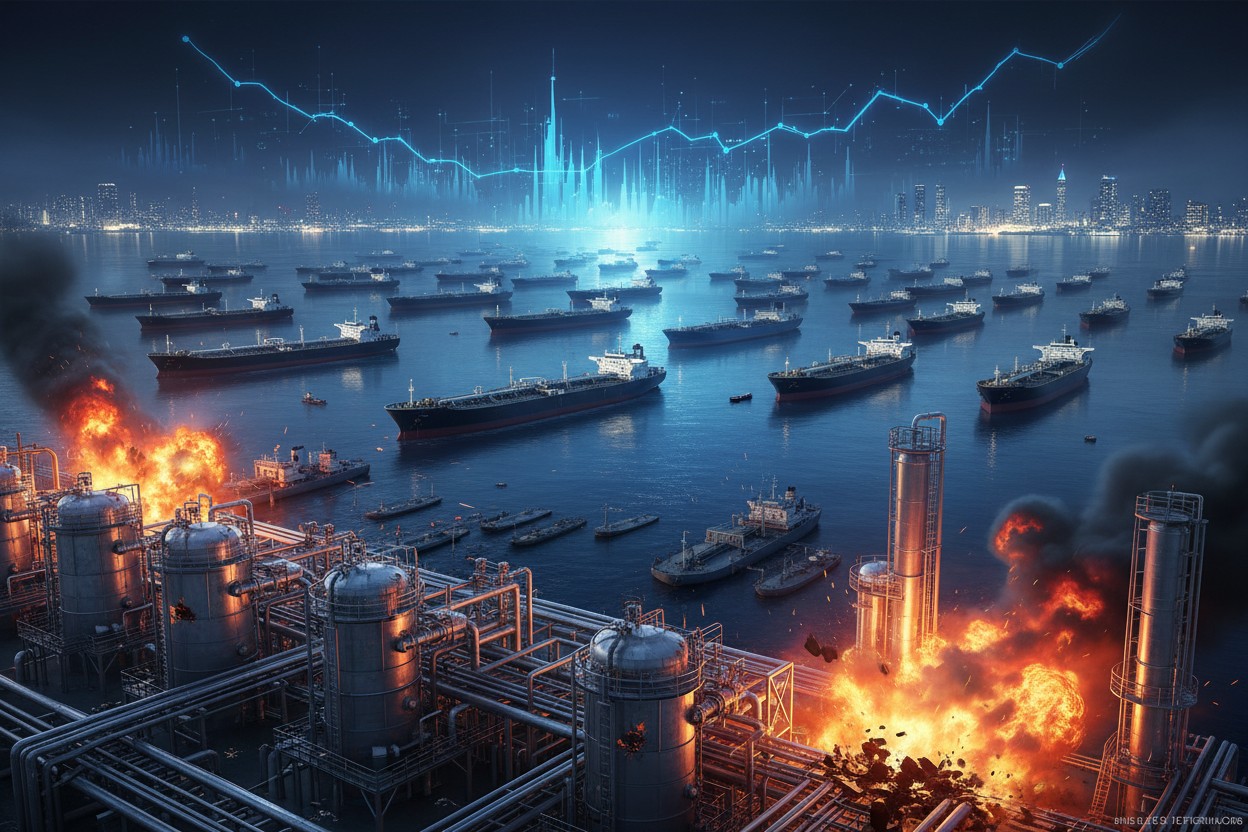
The initial detonation of this crisis is a direct, brutal energy shock. The Strait of Hormuz, through which approximately 30% of the world's gas and oil energy passes, is now a warzone [2]. With Qatar's massive LNG production shut down and tanker traffic paralyzed, 20-30% of the global gas supply has been severed overnight. This is not a temporary disruption; it is a structural severing of one of the planet's most critical economic arteries.
Historical precedent shows that such closures cause gas price spikes of over 50%, a cost that will now be forcibly passed onto industries and farmers worldwide [3]. The impact is immediate: urea fertilizer prices at key ports like New Orleans jumped $60-$80 per ton in a single week as the strait closed [4]. This is not a regional crisis confined to the Persian Gulf; it is a global economic impact that disrupts the foundational feedstock for modern industry and agriculture. As one source notes, the closure 'has triggered a supply chain crisis that extends far beyond crude oil' [5]. The first domino has fallen.
Step Two: The Fertilizer Collapse
The energy shock translates directly into a fertilizer collapse. Natural gas constitutes 70-90% of the production cost of ammonia, the primary input for nitrogen fertilizer [6]. As gas prices explode, fertilizer production costs surge in lockstep. This is not a future prediction; it is current reality. Reports confirm that fertilizer prices spiked 6.5% in February 2026 alone, coinciding with the onset of military operations [7].
Farmers operating on razor-thin margins cannot absorb this shock. Confronted with unaffordable or outright scarce inputs, they are being forced into a devastating choice: drastically slash fertilizer application or face financial ruin. The result will be a voluntary and involuntary global nitrogen shortage. Iran, a major urea exporter, is now a battleground, compounding shortages already exacerbated by reduced exports from China [8]. This creates what analysts fear is a 'wartime premium' that will destabilize agricultural costs worldwide. The fertilizer sector, the very lifeblood of high-yield farming, is entering systemic failure.
Step Three: Devastating Yield Declines Are Inevitable
The fertilizer collapse guarantees the next phase: devastating crop yield declines. Agronomy is not a matter of opinion; it is a law of nature. Reduced fertilizer application leads directly to a 10-20% yield collapse in staple crops like corn, wheat, and soy [9]. This is not a speculative risk; it is an agricultural certainty. The global food supply will shrink dramatically at the very moment when inelastic demand -- humanity's need to eat -- remains constant.
This crisis is self-reinforcing and will accelerate hunger-driven inflation. As other nations face their own catastrophic shortages, they will enter global markets to bid away remaining U.S. and European supplies, importing food inflation directly to Western grocery stores. The historical precedent is clear: grain markets become unpredictable and subject to extreme volatility during supply shocks, as seen in the 1970s [10]. The situation in 2026 promises to be far worse. The engineered scarcity will create a bidding war for calories, where the wealthiest nations may temporarily outbid the poor, but at a staggering cost to their own populations. The famine trigger has been pulled; the bullet is now in flight.
The Ripple Effects: Beyond Food to Total Systemic Failure
The catastrophe extends far beyond the dinner plate. Natural gas is the indispensable feedstock for the modern world: chemicals, steel, glass, plastics, and even medicine. Entire industries now face crippling cost increases or outright shutdowns as their foundational input vanishes or becomes prohibitively expensive. This is a recipe for deindustrialization on a continental scale.
Simultaneously, transport costs are set to explode. Broader petroleum disruptions from the conflict will send diesel and bunker fuel prices soaring, layering crippling fuel inflation on top of already catastrophic fertilizer and food inflation. The supply chain crisis will become total [5]. Western Europe, which under previous globalist-aligned leadership foolishly dismantled its own energy security and became dependent on imports, will feel this pain first and most severely. Nations that surrendered their energy sovereignty are about to pay an unimaginable price in shuttered factories, lost jobs, and social unrest.
Geopolitical Reality: Iran Holds the World Hostage
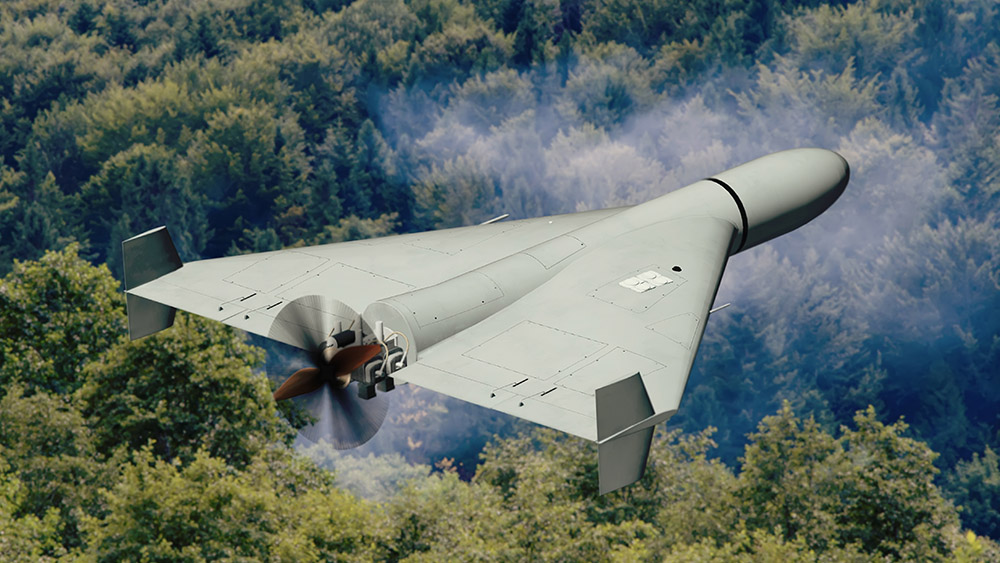
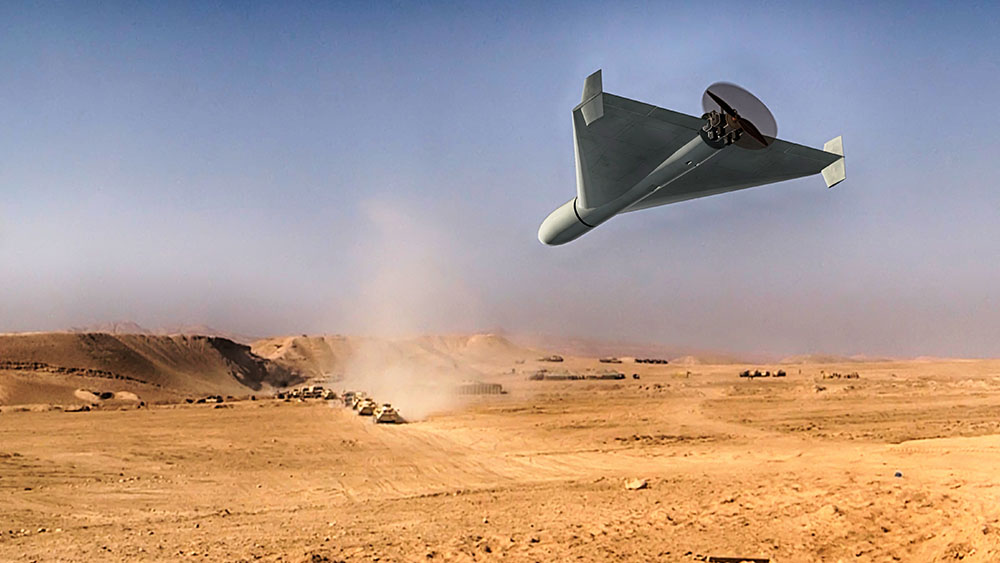
The geopolitical reality is stark: Iran holds the global economy hostage. The fantasy of securing the Strait of Hormuz with military escorts is just that -- a fantasy. Iran possesses an asymmetrical arsenal of advanced naval drones, mines, and missiles that can sink commercial tankers and overwhelm U.S. Navy defenses, draining expensive missile stocks within days [11]. The U.S. military, stretched thin and technologically matched, cannot magically print the natural gas that has been blockaded.
This is unabashed economic warfare. Insurance payouts for destroyed vessels do not replace the lost energy and fertilizer that feed the world. Iran, understanding its leverage perfectly, can keep the Strait closed or perpetually threatened, using global hunger as its primary strategic weapon. As one analysis framed it, the U.S. strategy is a 'high risk-high reward gamble' that appears to be backing regime change, but the immediate reward is global systemic collapse [12]. The West, having outsourced its energy and manufacturing base, has no viable counter. The adversary has moved the battlefield from deserts and cities to the global food chain, and the West is losing.
Conclusion: Prepare Now or Pay the Price Later
The White House, seemingly driven more by allegiance to foreign interests than American sovereignty, is ignoring the second- and third-order effects of this war. By focusing solely on military objectives, they are setting the stage for mass deprivation at home and abroad. The official narratives will soon collide with the unbearable reality of empty shelves and price tags that shatter family budgets. By the end of 2026, food prices will deliver a brutal economic shock that no amount of political spin can conceal.
The window for centralized salvation has closed. The only rational response is immediate, personal preparedness. This means taking decisive action to decentralize your life from this failing system. Begin growing your own food using organic, non-GMO seeds. Stockpile laboratory-tested, clean, non-perishable foods and superfoods at today's prices before hyperinflation hits. Secure your finances with honest money -- physical gold and silver -- which cannot be printed into oblivion like fiat currency. Finally, demand immediate de-escalation and diplomatic resolution from your representatives. The time for complacency is over. The trigger for famine has been pulled. Your survival now depends on your own knowledge, your own preparations, and your own courage to break free from the system that created this catastrophe.
References
- Attack on Iran Could Disrupt Global Fertilizer Markets - FarmPolicyNews.Illinois.edu. March 1, 2026.
- Brighteon Broadcast News - WAR ZONE - Mike Adams - Brighteon.com. Mike Adams. May 12, 2025.
- America's Energy Famine: Its Cause and Cure - University of Oklahoma Press. Ruth Sheldon Knowles. 1980.
- Fertilizer prices set to spike: What the Iran conflict means for your farm - FarmProgress.com. March 3, 2026.
- Energy shock, fertilizer crunch, freight surge: Food manufacturers face ... - FoodIngredientsFirst.com.
- Fertilizer prices spike on Iran war as experts say worse crunch may ... - Nikkei Asia. March 4, 2026.
- Geopolitical Firestorm: Fertilizer Prices Surge 6.5% as 'Operation Epic ...' - FinancialContent.com. March 4, 2026.
- Bombing of Iran’s fertilizer plants sparks global food chain fears - NationalSecurity.news. June 25, 2025.
- World food security: prospects and trends. R. S. Chen and R. W. Kates.
- Overshoot - William R. Catton.
- Brighteon Broadcast News - COVERT EXTERMINATION - Mike Adams - Brighteon.com. Mike Adams. October 2, 2025.
- Trump's Strategy Is A High Risk-High Reward Gamble - ZeroHedge. Rabobank. March 2, 2026.
Explainer Infographic:






Please contact us for more information.