







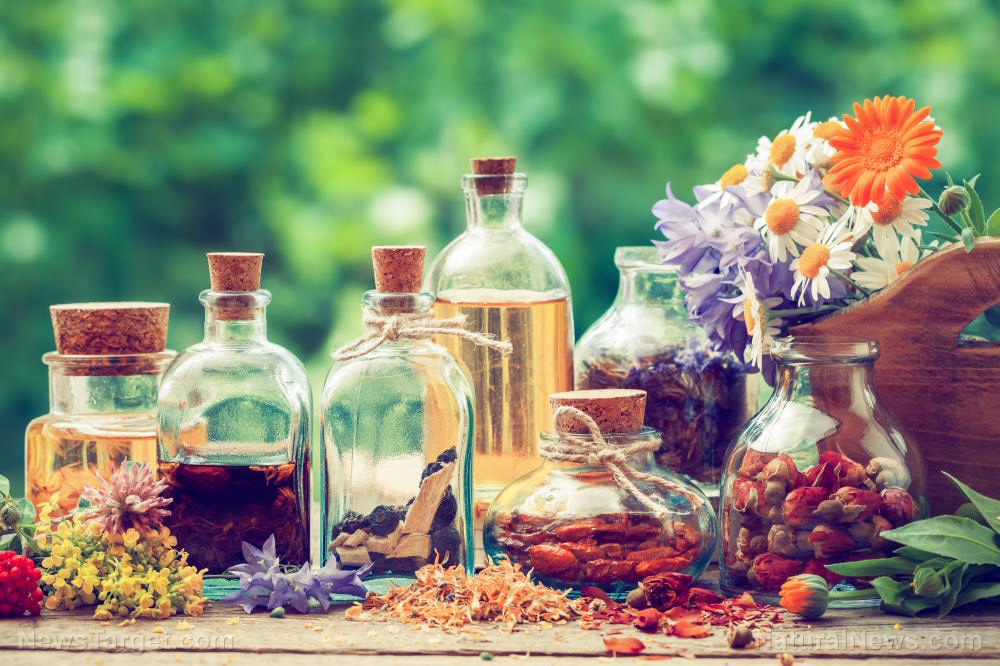
- Herbal remedies can be prepared in numerous ways, from simple teas and culinary use to potent tinctures and topical applications.
- The choice of preparation method is crucial and depends on the plant part used and the desired therapeutic effect.
- Key internal methods include water-based infusions and decoctions for daily use and alcohol-based tinctures for long-term storage.
- Effective external applications range from steam inhalations for respiratory relief to compresses and poultices for skin ailments.
- Experts emphasize consulting qualified practitioners and sourcing high-quality, sustainably harvested herbs for safety and efficacy.
In an era of increasing self-reliance and natural wellness, a quiet revolution is brewing in kitchens and gardens. Individuals are rediscovering the profound healing potential of common herbs, transforming plants like chamomile, ginger and nettle into personalized remedies for everything from stress to seasonal congestion. This resurgence hinges not just on which herb is chosen, but on the ancient, nuanced art of how it is prepared—a practice that bridges modern kitchens with traditional apothecaries and empowers people to take an active role in their own well-being.
The foundation: Water-based elixirs
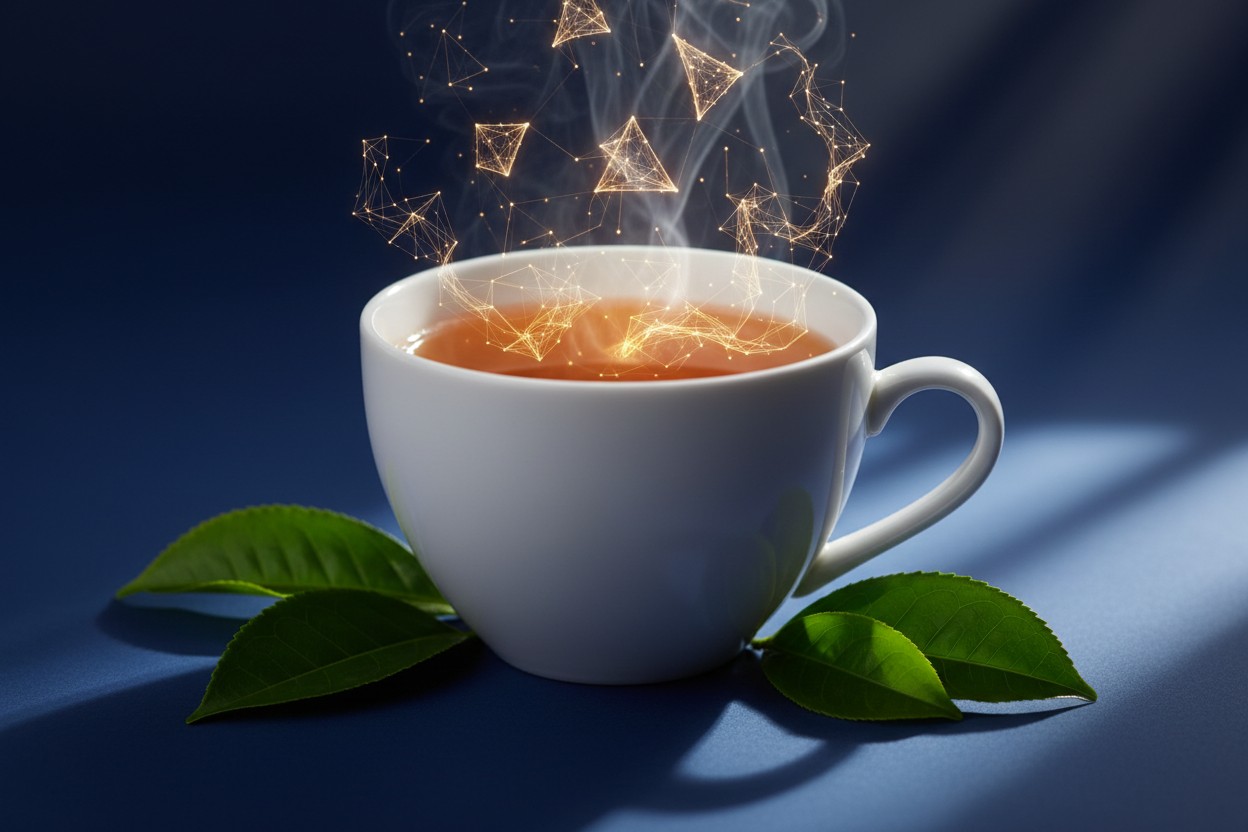
The most accessible gateway to herbal medicine is through water-based preparations, primarily infusions and decoctions. Often casually called "tea," an infusion involves steeping delicate plant parts like leaves and flowers in hot water, much like brewing traditional tea. A decoction, by contrast, involves simmering tougher roots, bark or seeds for a longer period to extract their deeper medicinal compounds. This distinction, a cornerstone of traditions like Traditional Chinese Medicine, ensures the method matches the material. Whether it's a calming chamomile infusion at bedtime or a immune-supporting ginger decoction, these preparations integrate seamlessly into daily rituals.
Concentrated power for lasting benefits
For those seeking more concentrated effects or long-term storage, alcohol-based tinctures are a cornerstone of herbal practice. Created by steeping herbs in a solvent like alcohol or glycerin for weeks or months, tinctures extract and preserve a wide spectrum of a plant's active constituents. They are shelf-stable for years, offer rapid absorption and are ideal for maintaining a ready supply of remedies for immunity, stress or sleep support. This method represents the herbalist's "long game," capturing the essence of a plant for use well beyond its fresh or dried shelf life.
Direct external applications
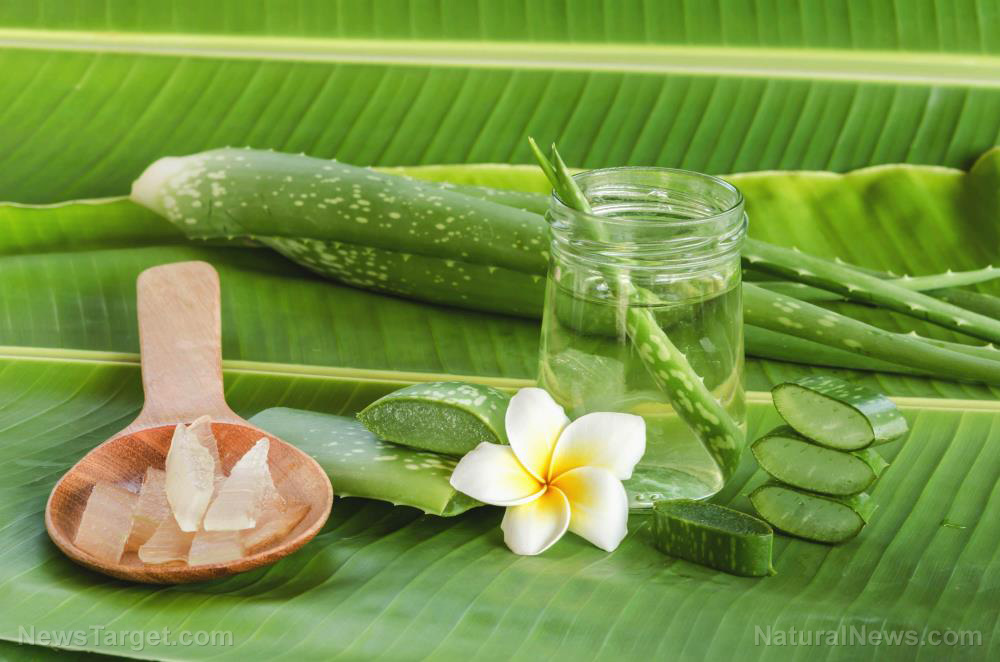
Herbal healing extends beyond internal consumption to direct, targeted external use. For respiratory issues, steam inhalation—breathing in the aromatic vapors from herbs like thyme or eucalyptus in hot water—provides immediate relief for sinus pressure and congestion. For the skin, compresses (cloths soaked in herbal tea) and poultices (mashed fresh herbs applied directly) can accelerate healing for rashes, burns or insect bites. These methods deliver plant compounds precisely where they are needed, leveraging herbs' anti-inflammatory, antiseptic and drawing properties.
The critical importance of sourcing and guidance
As interest grows, experts unanimously stress two pillars of safe and effective herbal practice: quality sourcing and professional guidance. Herbal products are not regulated by the U.S. Food and Drug Administration, leading to potential issues with contamination, adulteration or mislabeling. Reputable companies that prioritize organic cultivation, sustainable wildcrafting and transparent testing are essential. Furthermore, consulting a qualified herbalist or licensed practitioner ensures remedies are appropriately matched to an individual's unique health picture, avoiding misuse and dangerous interactions with pharmaceuticals.
A return to conscious healing
The move toward personalized herbal preparation signifies more than a trend; it is a return to a conscious, participatory relationship with healing. It encourages mindfulness—from selecting and preparing the plant to observing its effects. This practice, enriched by centuries of global tradition yet adaptable to the modern home, demystifies wellness. It posits that powerful medicine can be cultivated in a garden, found in a spice cabinet and prepared with intention, offering not just relief for ailments but a deeper connection to the natural world's inherent pharmacy.
Cultivating wellness, one preparation at a time
The world of herbal medicine, vast and historically rich, is being rendered accessible through these fundamental preparation techniques. From a simple cup of nettle infusion to a carefully crafted elderberry tincture, these methods empower individuals to harness nature's pharmacy thoughtfully and effectively. This knowledge, when combined with respect for the plants and guidance from skilled practitioners, transforms everyday herbs into a powerful, personalized toolkit for sustainable health, rooting wellness in both science and tradition.
Sources for this article include:








Please contact us for more information.