







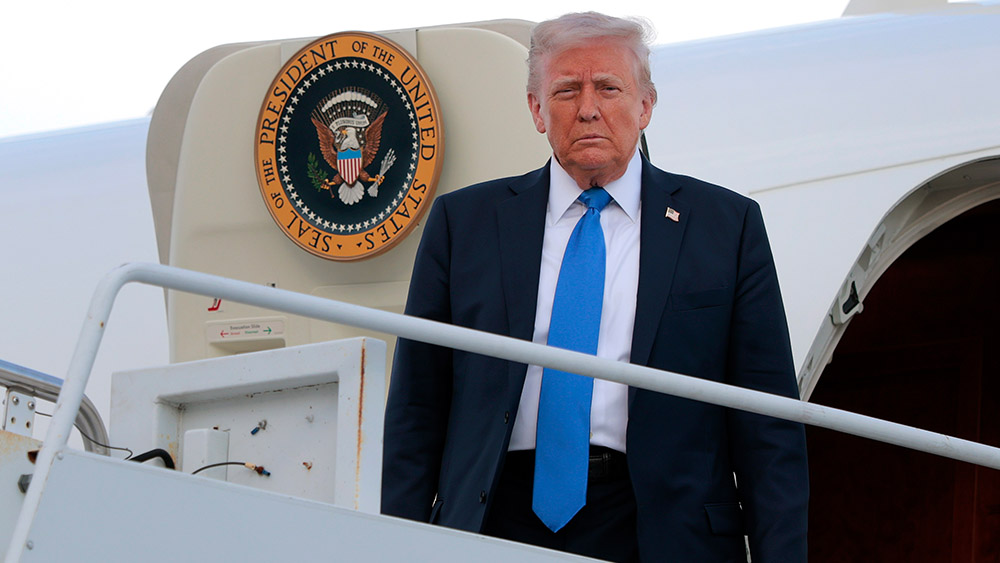
- President Trump states U.S.-Israeli military operations in Iran are progressing "far ahead of schedule," claiming the destruction of key Iranian military assets.
- Trump signals Cuba is next on his foreign policy agenda, stating a deal with its communist government is imminent "in a couple of weeks."
- The president again calls on members of Iran's military and Revolutionary Guard to defect and "lay down their arms."
- The administration is taking steps to stabilize global oil prices amid the conflict, including offering insurance for tankers in the Gulf.
- The remarks were made during a White House ceremony honoring a Major League Soccer champion team, blending foreign policy with a domestic event.
A presidential pivot from soccer to strategy
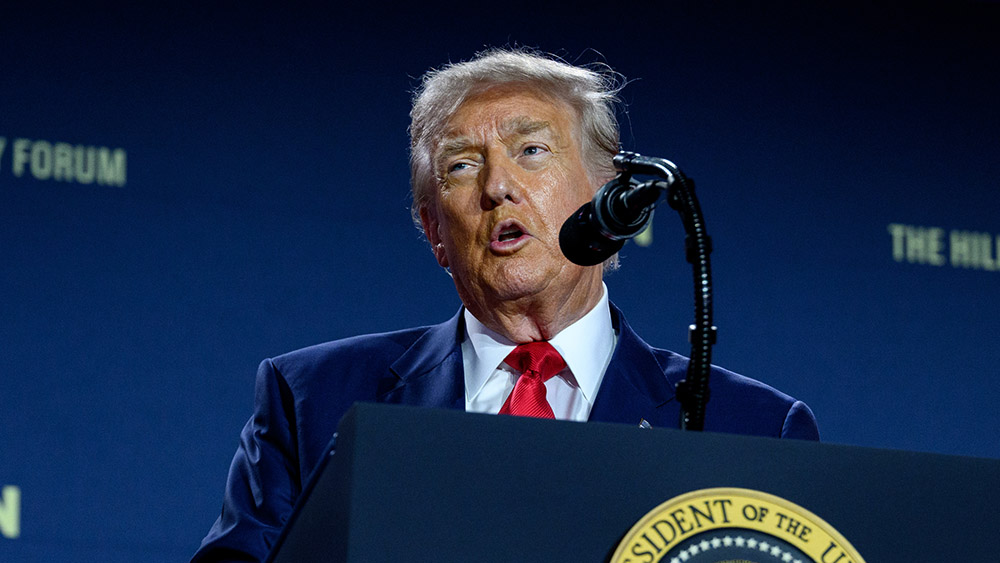
In a striking blend of ceremony and saber-rattling, President Donald Trump used a White House event honoring a sports team to deliver a bold update on military operations against Iran and outline the next target for his administration’s foreign policy: Cuba. On Thursday, March 5, Trump declared that U.S. and Israeli forces are demolishing Iran’s military “far ahead of schedule” and suggested that a resolution with Cuba’s communist government is imminent, framing both as decisive actions in his assertive national security agenda.
“Demolishing the enemy”: The Iran update
Speaking in the East Room, President Trump provided a stark assessment of the ongoing campaign, dubbed Operation Epic Fury. He claimed devastating losses for Iran, stating its navy, air force, air defenses, communications and missile capabilities have been effectively neutralized. “Other than that, they are doing quite well,” he added with characteristic sarcasm. The president reiterated his call for members of Iran’s Revolutionary Guard and military to abandon the regime, offering them a chance to “take back your country.” His comments reflect a continued strategy of applying maximum military pressure while attempting to foment internal dissent against the Tehran government.
Stabilizing the fallout: Oil and regional pressure
Acknowledging the global economic ripple effects of the conflict, Trump noted his administration is acting to stabilize oil prices. He highlighted new measures, including offering political risk insurance for tankers transiting the Persian Gulf, to ensure energy market stability. The president also pointed to Venezuela, under the acting presidency of Delcy Rodriguez, as a stabilizing partner, with its oil exports now benefiting the United States. This illustrates a broader regional strategy of leveraging energy economics alongside military action to consolidate gains and isolate adversaries.
Cuba in the crosshairs: “Just a question of time”
In a notable pivot, Trump shifted focus to Cuba, praising Secretary of State Marco Rubio’s work and declaring, “What’s happening with Cuba is amazing.” He suggested the communist government is eager to make a deal and indicated that after Iran, Cuba would be the next priority. “We think that we want to finish this one first, but that will be just a question of time,” Trump said, estimating a shift in focus within “a couple of weeks.” The announcement comes as Cuba grapples with severe energy shortages, exacerbated by U.S. pressure on its oil procurement following the capture of Venezuelan leader Nicolás Maduro.
Echoes of a maximum pressure doctrine
Trump’s approach to Iran and Cuba carries echoes of his first-term “maximum pressure” campaigns but with escalated military force. The public coupling of these two nations—longstanding adversaries under distinct ideological banners—signals a willingness to confront multiple state challenges simultaneously, albeit sequentially as Trump cautioned doing “them all too fast.” His direct appeal to Iranian military personnel to defect is a modern iteration of psychological warfare, aiming to break the regime’s cohesion from within. The move on Cuba revives a decades-old Cold War rivalry, suggesting an intent to force a conclusive settlement to what his administration views as a lingering threat in America’s hemisphere.
An agenda in motion: From the Persian Gulf to the Caribbean
President Trump’s remarks, delivered amid a celebratory sports ceremony, underscore a foreign policy posture defined by unilateral assertiveness and a belief in decisive, overwhelming action. By touting rapid success in Iran and pre-announcing the next geopolitical target, he projects an image of a commander-in-chief relentlessly advancing American interests on multiple fronts. As the administration works to manage the economic and strategic consequences of the Iran campaign, the world now watches to see if its promised pivot to Cuba will mark another dramatic chapter in a presidency committed to reshaping America’s global confrontations.
Sources for this article include:








Please contact us for more information.