







- The Trump administration has brokered a deal for Venezuela to export up to 1,000 kilograms of gold to U.S. markets.
- The agreement is part of a broader U.S. strategy to exert economic influence over Venezuela following the capture of former leader Nicolás Maduro.
- U.S. Interior Secretary Doug Burgum facilitated the deal, which involves global trader Trafigura and aims to redirect revenue from black-market channels to Venezuela's government.
- The deal follows massive oil contracts and is framed by the administration as a move to stabilize Venezuela's economy and "reimburse" U.S. intervention costs.
- Critics, including congressional Democrats, label the policy as imperialistic and question whether it prioritizes American interests over Venezuelan welfare.
In a significant move to reshape hemispheric economic alliances, the Trump administration has brokered a multimillion-dollar deal for Venezuela to export a massive shipment of gold directly to the United States. The agreement, finalized this week, will see between 650 and 1,000 kilograms of semi-refined gold bars flow from Venezuela’s state-owned miner to U.S. refineries via global commodities trader Trafigura. Orchestrated with the direct involvement of U.S. Interior Secretary Doug Burgum and Venezuela’s interim president, Delcy Rodríguez, the deal marks a dramatic pivot from years of sanctions and antagonism to a commercial partnership tightly managed from Washington.
The mechanics of the gold deal
The transaction involves Venezuela’s Compañía General de Minería de Venezuela (Minerven) supplying gold doré bars, which are approximately 98% pure, to Trafigura. Under a separate arrangement with the U.S. government, Trafigura will then oversee the delivery of the precious metal to refineries within the United States. Based on current volatile market prices, the shipment could be worth up to $166 million. This contract is reported to be the third major resource extraction deal facilitated by U.S. officials since the January 3 capture of former Venezuelan leader Nicolás Maduro, which the Trump administration justified as an action against narco-terrorism.
The role of Interior Secretary Doug Burgum has been pivotal. His recent trip to Caracas, which included a meeting with Interim President Rodríguez at the Miraflores Palace, was focused on unlocking opportunities in both oil and minerals. Following the meeting, Rodríguez announced plans to reform Venezuela’s mining laws to attract foreign investment, signaling a willingness to align with U.S. economic objectives.
From sanctions to statecraft
This commercial shift represents a stark reversal from the preceding decade of U.S.-Venezuela relations. For years, comprehensive U.S. sanctions aimed at ousting Maduro severely restricted Venezuela’s access to global financial systems. In response, the Maduro regime turned to black-market networks and allied nations like Iran, Russia and China to sell its gold and oil, a practice that U.S. officials argue fueled corruption and illicit activities.
The new U.S.-brokered model aims to cut out those middlemen and adversaries. A source familiar with the deals framed the benefit for Venezuela, stating that revenue which was once skimmed by corrupt smugglers will now flow to the Venezuelan government and its people. Furthermore, it redirects a strategic resource away from U.S. geopolitical rivals and into American markets.
Broader economic and geopolitical strategy
The gold deal is not an isolated transaction but a component of a larger economic blueprint being implemented by the Trump administration. This strategy includes:
- Exerting de facto control over Venezuela’s vast oil reserves, the largest in the world.
- Channeling billions in proceeds from Venezuelan oil sales back into purchases of American goods, such as agriculture, medicine and infrastructure equipment.
- Securing a direct supply of gold at a time of soaring prices driven by global uncertainty.
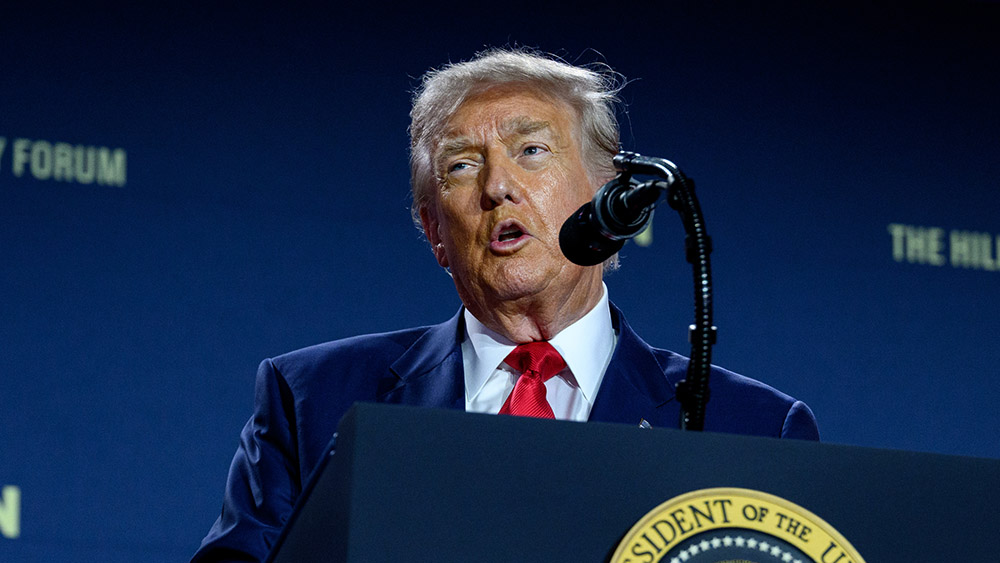
President Trump alluded to this broader vision on his Truth Social platform, praising the cooperation and noting, “The oil is beginning to flow.” He has previously framed such resource agreements as a means to “reimburse” the United States for its costly interventions abroad. Major U.S. oil companies are reportedly poised to invest billions to rehabilitate Venezuela’s crippled energy infrastructure, though long-term success remains contingent on sustained political stability.
Criticism and controversy
The administration’s approach has ignited fierce criticism from congressional Democrats and liberal advocacy groups. They accuse the White House of engaging in a form of economic imperialism, leveraging military and political power to commandeer another nation’s natural resources. Critics argue that the policy prioritizes American corporate and strategic interests over equitable reconstruction and direct humanitarian aid for the Venezuelan populace, potentially cementing new forms of dependency and inequality.
A new chapter of managed interdependence
The gold agreement between the United States and Venezuela signifies more than a simple commodity trade; it is a cornerstone of a deliberate and controversial statecraft experiment. The Trump administration is moving to replace a sanctions-based policy of isolation with a framework of managed economic interdependence, where U.S. oversight of Venezuelan resources is presented as a pathway to stability and legitimate revenue. While proponents hail it as a pragmatic end to corruption and a strategic win, detractors see it as the consolidation of undue influence. The ultimate measure of this policy will be whether it fosters genuine, broad-based recovery in Venezuela or simply reshapes the channels of its economic dependency.
Sources for this article include:









Please contact us for more information.