






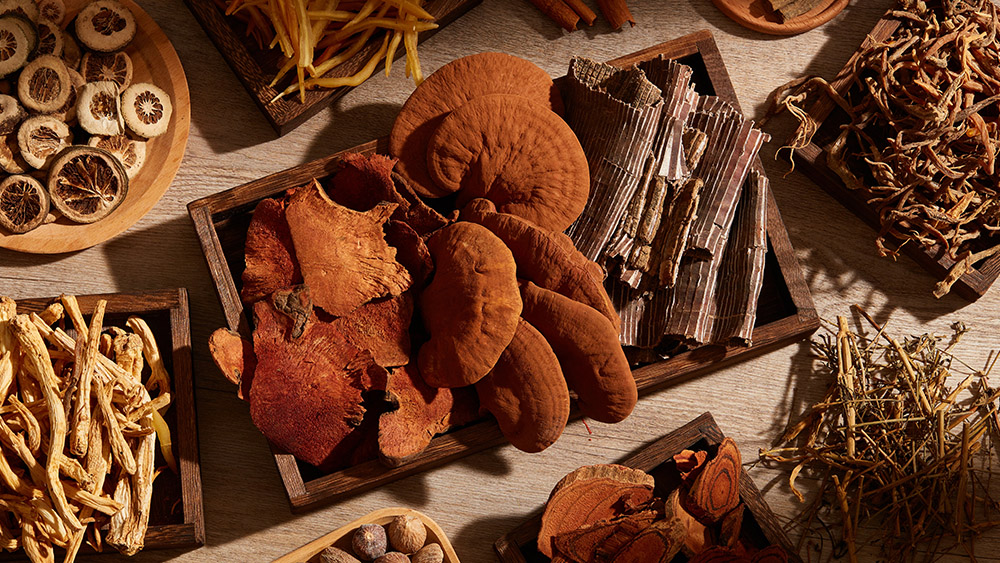
- Medicinal mushrooms offer ancient, science-backed health benefits.
- They can fight cancer cells and boost immune function.
- Specific varieties like lion's mane support brain and cognitive health.
- Common culinary mushrooms also provide heart and anticancer benefits.
- They can be consumed in food or supplements with proper caution.
A powerful class of natural defenders has been quietly reclaiming its ancient role in human health. Medicinal mushrooms, prized for millennia in traditions like Traditional Chinese Medicine, are now backed by a growing body of scientific research revealing their staggering potential. These aren't your average pizza toppings. From fighting cancer cells to shielding the brain from Alzheimer's, these functional fungi offer a compelling, natural arsenal for bolstering immunity, reducing inflammation, and enhancing overall wellness. This is the revival of forest medicine, and it's happening right now in kitchens and supplement routines around the world.
The list of health benefits these mushrooms provide is lengthy. They act as brain boosters, hormone helpers, and antioxidant powerhouses. While research, particularly in Western medicine, is still evolving, these fungi are increasingly viewed as vital sidekicks for the immune system and as mini-vaccines against stress, inflammation, and cancer.
A powerhouse lineup of healers
Consider the chaga mushroom, a fungus that grows on birch trees in cold climates. Studies show chaga extract can inhibit tumor growth, with one mouse study demonstrating a 60 percent reduction in tumor size. It also stimulates the immune system and reduces inflammation. Then there's reishi, a natural cancer fighter that inhibits the spread of cancer cells and boosts natural immune killer cells. It has also been shown to reduce the severity of allergic reactions and has anti-diabetic effects on blood glucose.
Perhaps most intriguing for cognitive health is lion's mane. This odd-looking fungus has been shown to improve cognitive function, regenerate neural nerves, and improve memory recognition in mice with Alzheimer's. It fosters the production of the bioprotein nerve growth factor, sharpening mental clarity and focus.
More than just immunity
The benefits extend to common culinary varieties as well. Shiitake mushrooms, for example, do more than add flavor. Compounds in shiitake help promote satiety, fight fat gain, and destroy cancer cells. They are also particularly good for heart health, having been shown to lower "bad" LDL cholesterol and aid in maintaining healthy blood pressure. Even the humble cremini, or button mushroom, contains conjugated linoleic acid (CLA), which inhibits tumor growth and supports immune function to help kill cancer cells.
Other stars include maitake, studied for its ability to prevent and treat breast cancer and help regulate blood glucose, and enoki, which contains immune-boosting beta-glucan fiber and has shown promise in fighting viruses linked to cancer. Chanterelle mushrooms, a culinary delicacy, are rich in antioxidants that protect against DNA damage and possess significant antimicrobial activity.
How to harness the benefits
You can harness these healing powers by adding the mushrooms to stir fries, blending them into soups, or even taking them as a pill. Chaga is often brewed into a tea, while reishi, due to its bitter taste, is commonly taken in powder or capsule form. Lion's mane can be cooked, with many saying it has a taste similar to lobster when pan-fried. It is crucial, however, to be an informed consumer, especially with supplements. Experts advise looking for products that use extracts from the fruiting body of the mushroom, not mycelium grown on grain, and to seek reputable brands with third-party testing.
It is always wise to talk to your doctor beforehand to confirm if adding medicinal mushrooms to your diet is safe, particularly if you are using certain medications or are pregnant. While generally safe, they can interact with prescriptions and are not for everyone.
We are standing at a crossroads between an over-medicated culture and the wisdom of natural, food-based medicine. These mushrooms represent a return to that wisdom, offering a synergistic blend of prevention and healing that modern science is only beginning to fully quantify.
Sources for this article include:






Please contact us for more information.